Diabetic Retinopathy: Symptoms, Treatment, and Prevention
Diabetes can silently damage your retina. Learn the symptoms of diabetic retinopathy, its treatment, and why an annual eye exam protects your vision.
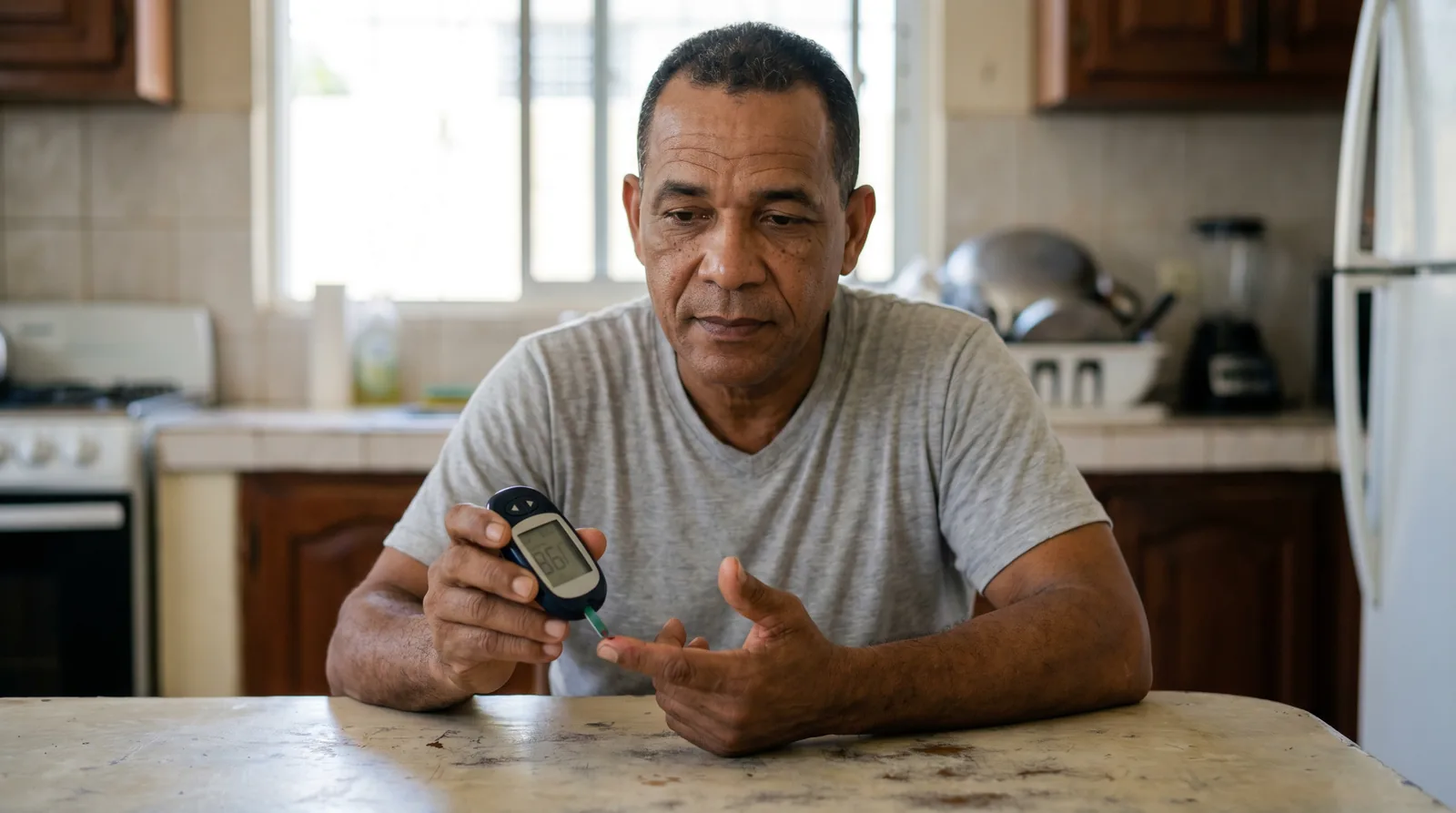
If you live with diabetes, your eyes need attention even when your vision feels perfect. Diabetic retinopathy is the damage that high blood sugar causes, over time, to the tiny blood vessels in your retina, and it's one of the most serious complications of diabetes because it can steal your vision without any warning.
This isn't a distant risk. Diabetic retinopathy is the leading cause of blindness among working-age adults, according to the Centers for Disease Control and Prevention. An estimated 103 million people worldwide had the condition in 2020, about 22% of everyone living with diabetes, and that number could climb to 160 million by 2045, according to a study published in Ophthalmology. The trickiest part is that early stages rarely cause symptoms. You can have it and not know it, and by the time your vision blurs, the damage is often already advanced.
The good news is that diabetic retinopathy can be prevented and treated. The difference between keeping your sight and losing it usually comes down to one appointment a lot of people put off: a dilated eye exam. This topic hits close to home for us. Diabetes is common here in the Dominican Republic, and diabetic retinopathy is something we see in our clinic every day. Let's walk through what it is, how to recognize it, and what you can do today.
What Is Diabetic Retinopathy?
The retina is the layer of tissue at the back of your eye that captures light and turns it into the images you see. It runs on a network of tiny blood vessels. When blood sugar stays high for years, those vessels weaken, become blocked, or start leaking fluid and blood. That damage is diabetic retinopathy.
At first, the vessels simply become fragile, a stage known as nonproliferative retinopathy. If the disease progresses, the eye tries to compensate by growing new, abnormal blood vessels that bleed easily. This is proliferative retinopathy, the more dangerous form. Fluid can also build up in the center of the retina, the macula, causing what's known as diabetic macular edema, one of the most common causes of vision loss in people with diabetes.
The important thing is to understand the chain: sustained high blood sugar leads to damaged vessels, which leads to a damaged retina. Breaking that chain early is what protects your vision.
Why You Won't Feel It at First
Here's the part that worries us most as ophthalmologists. In its early stages, diabetic retinopathy doesn't hurt and doesn't blur your vision. You can already have retina damage and still see well, with no warning sign at all, according to the National Eye Institute.
Dr. Alex Alfaro, a fellowship-trained retina and vitreous specialist at Centro Láser, puts it this way to his patients: with diabetic retinopathy, seeing well is no guarantee that your eyes are well. The damage starts silently, and by the time symptoms show up, you've often missed the window when treatment is easiest. That's why he insists the exam shouldn't depend on how you feel. It should depend on the fact that you have diabetes.
This is why so many cases are caught late. Diabetic retinopathy doesn't knock on the door. You have to go looking for it.
Symptoms of Diabetic Retinopathy
Once the disease progresses, warning signs do appear. It's worth knowing them, but don't forget that waiting to feel them is waiting too long:
- Blurry vision that changes from day to day.
- Floaters, small spots or dark strings drifting across your field of view.
- Dark or empty areas in your field of vision.
- Trouble seeing at night or telling colors apart.
- Sudden or central vision loss, which is a medical emergency.
If you have diabetes and notice any of these changes, don't chalk them up to tiredness or write them off as needing new glasses. Call your ophthalmologist right away. Some complications, like bleeding inside the eye or a retinal detachment, need prompt attention.
What Increases Your Risk
Not everyone with diabetes develops retinopathy at the same pace. Certain factors speed up the damage, and you can improve almost all of them:
- How long you've had diabetes: the more years, the greater your accumulated risk.
- Blood sugar control: sustained high levels drive the damage.
- High blood pressure and high cholesterol.
- Pregnancy, which can speed up retinopathy in women with diabetes.
- Smoking.
Here's the upside: most of these factors are within your control and your doctor's. Managing your diabetes doesn't just protect your heart and kidneys. It protects your eyes too. That's why teamwork between your primary care doctor, who manages your diabetes, and your ophthalmologist, who monitors your retina, is the best defense for your vision.
How Is Diabetic Retinopathy Treated?
Much depends on the stage. In early phases, the best treatment is sometimes close monitoring and, above all, keeping your diabetes under control. When the disease progresses, our retina team has several effective tools:
- Intravitreal injections (anti-VEGF): the first-line treatment for diabetic macular edema. These medications reduce swelling and leakage, slow vision loss, and in some cases improve it. Intravitreal injections are given right in the office, with numbing eye drops.
- Laser treatment: laser photocoagulation seals leaking vessels and slows the growth of abnormal ones.
- Vitrectomy: in advanced cases with bleeding or detachment, retina surgery removes the blood and repairs the damage.
There's one treatment no ophthalmologist can give you, and it matters more than any of the others: controlling your blood sugar. According to the CDC, good blood sugar control lowers your risk of retinopathy and can slow vision loss, sometimes even helping you recover some sight. Managing your blood pressure and cholesterol also helps lower your risk.
Your Best Defense: The Annual Eye Exam
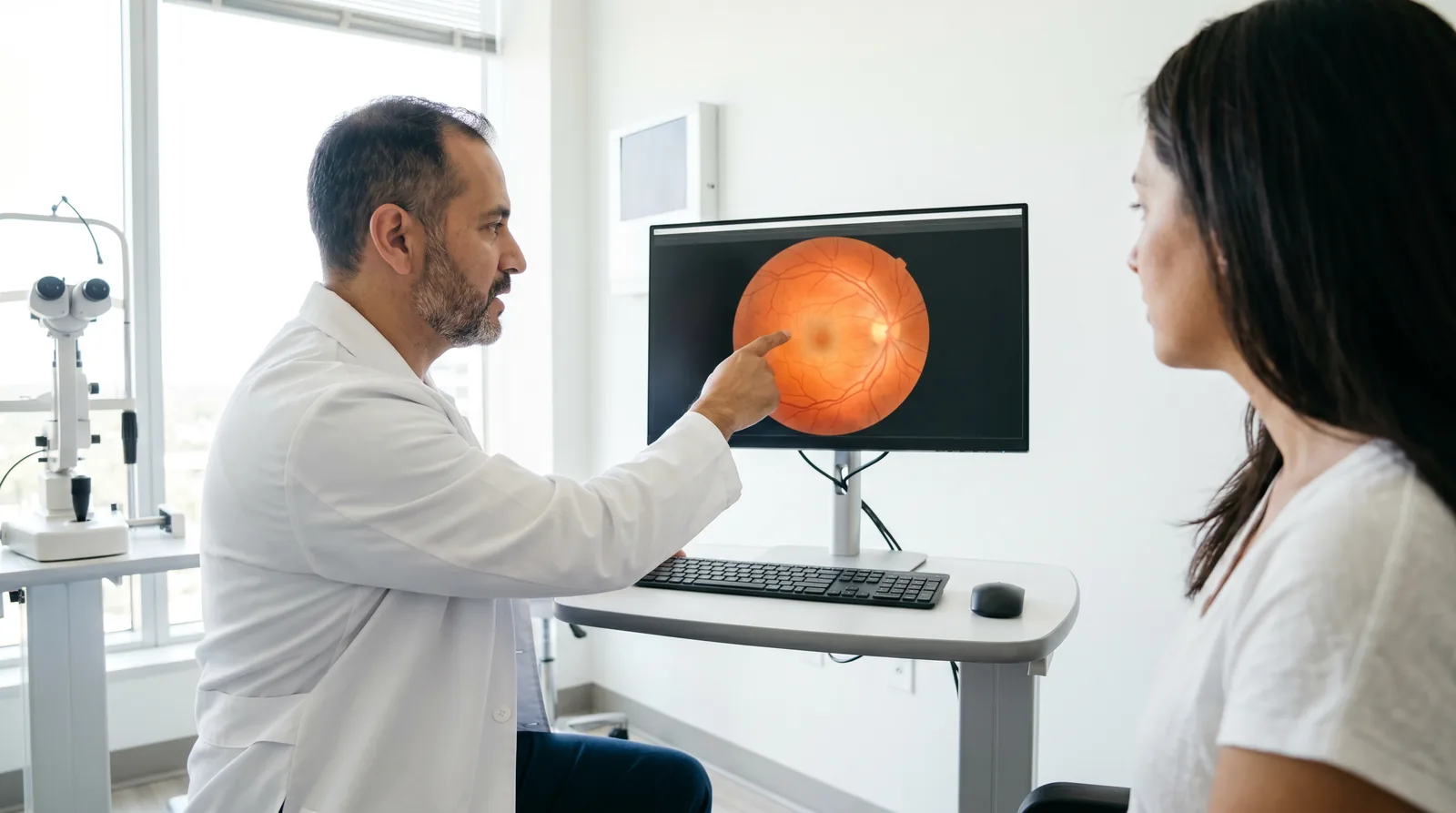
If you take away just one thing from this article, let it be this: if you have diabetes, get a dilated eye exam at least once a year, even if your vision feels perfect. That's what the National Eye Institute recommends, and it's the surest way to catch retinopathy before it causes damage.
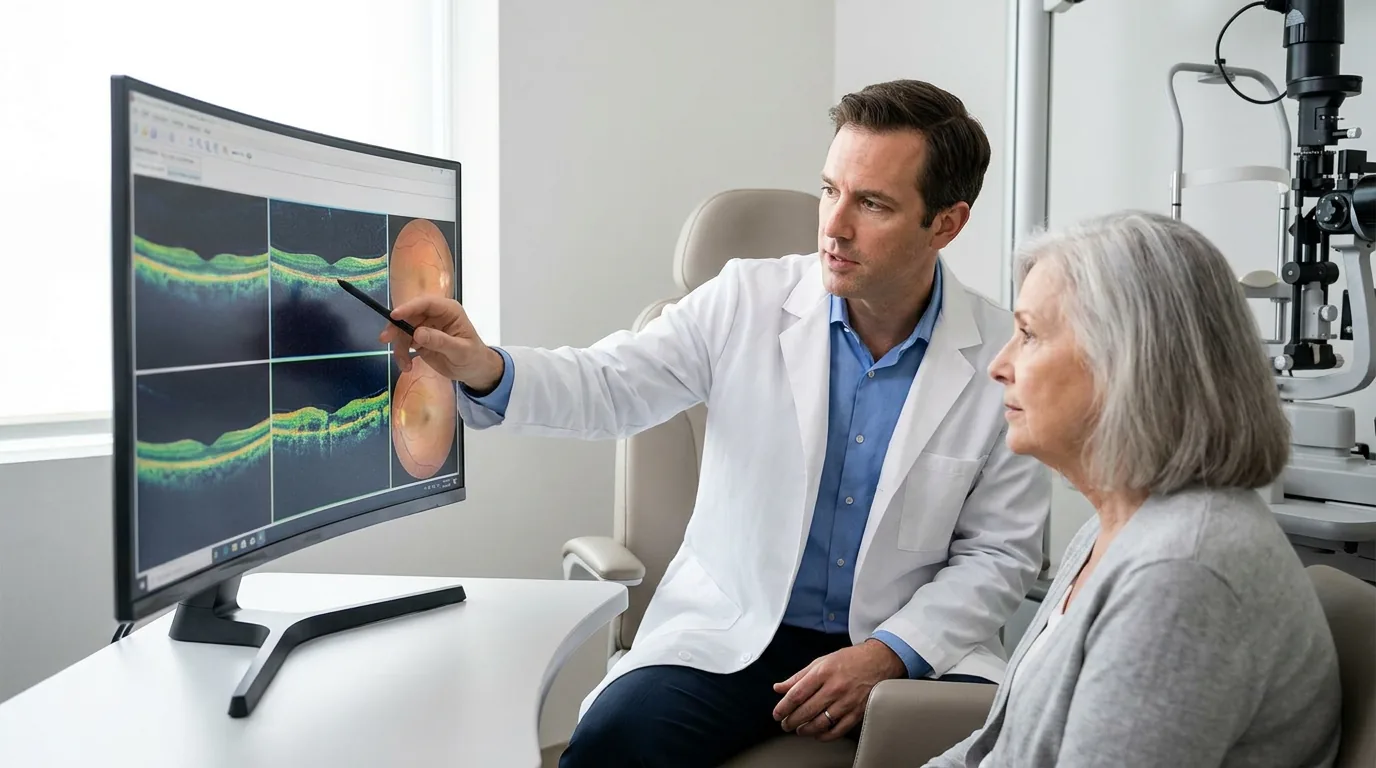
During the exam, we dilate your pupil to see the back of your eye and, when needed, run an OCT scan or take retinal photos to precisely measure the condition of your vessels and macula. It's a non-invasive test that takes little time and tells us a lot. Based on the results, your specialist decides how often you need follow up, whether that's yearly or more often if changes are already present.
In our clinic, we see every day how much that one habit changes things. Patients who get checked every year almost always catch problems in time. Those who wait until their vision gets bad tend to arrive when treatment is harder to give. The appointment is short. The difference it makes is enormous.
Frequently Asked Questions
Does diabetes always damage your vision? Not always, and almost never all at once. Risk increases with time and with poor blood sugar control, but many people with well managed diabetes and annual exams keep good vision for life.
Can diabetic retinopathy be reversed? Advanced damage isn't always reversible, but treatment can stop it from progressing, and in early stages, good blood sugar control can actually improve the situation. That's why catching it early makes such a difference in the outlook.
How often should I get an eye exam? At least once a year if you have diabetes, and more often if your ophthalmologist has already found changes. Your doctor will set the right interval for your case.
Does the eye injection hurt? It's given with numbing eye drops, and most patients tolerate it well, with only mild discomfort. It sounds more uncomfortable than it actually is, and its benefit for slowing vision loss is significant.
If my vision is fine, do I still need the exam? Yes, especially then. Early retinopathy doesn't cause symptoms, so seeing well doesn't rule out early damage to your retina. The exam is the only way to know for sure in time.
Protecting Your Vision Starts with Managing Your Diabetes
Diabetic retinopathy is serious, but it isn't inevitable. Diabetes damages your eyes silently, and you can beat that silence with two simple things: keeping your numbers in check and getting checked every year. Neither one replaces the other, and together they protect your vision for decades.
If you have diabetes and it's been over a year since your last eye exam, or you've never had one, now is the time. Schedule your retina exam at Centro Láser, and let's rule out any doubt before symptoms show up.
Request Your Evaluation and we'll reach out to schedule your visit.
This content is for informational and educational purposes only and is not a substitute for professional medical consultation, diagnosis, or treatment. If you have any concerns about your eye health, please consult your ophthalmologist.
Written by Centro Láser. Clinically reviewed by Dr. Alex Alfaro, fellowship-trained specialist in retina and vitreous disease.