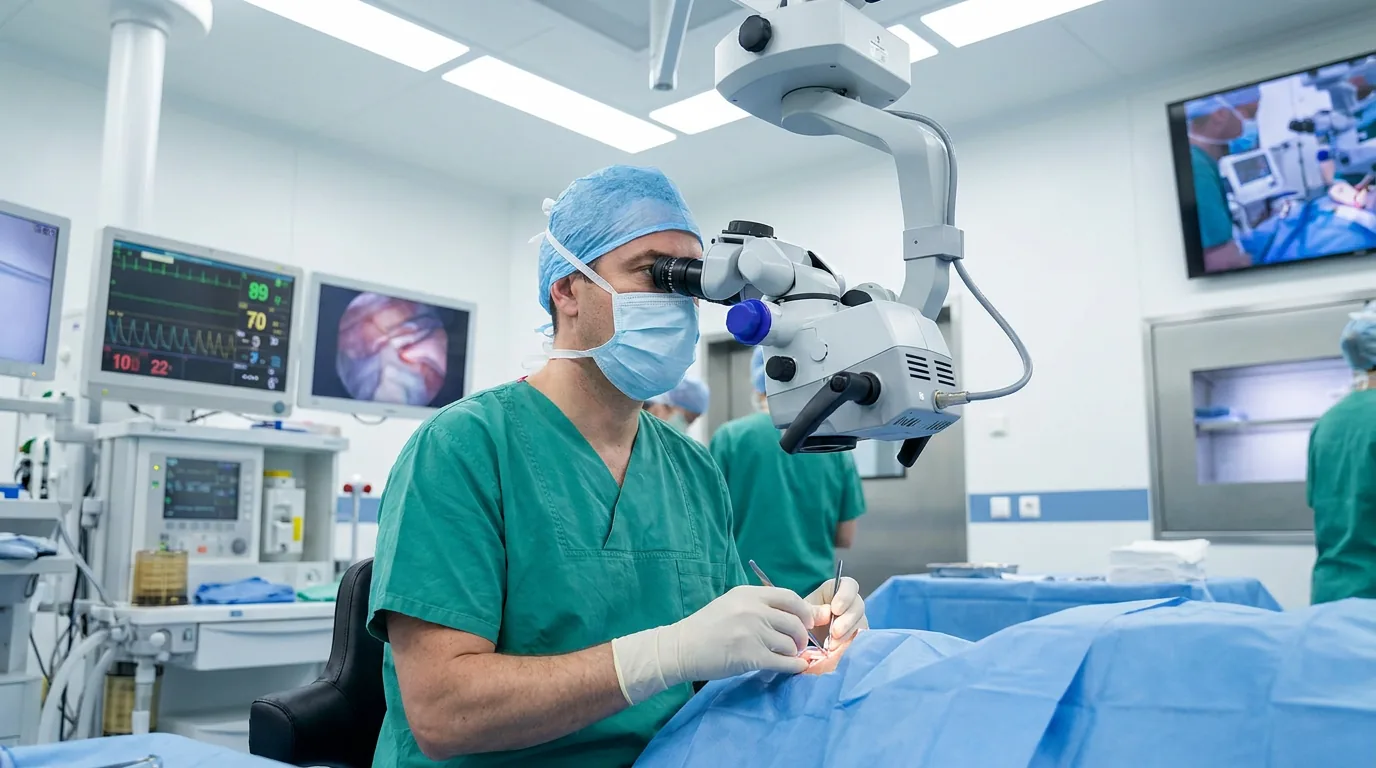
Diagnosis and surgery

Cataract & Anterior Segment

If your vision has turned cloudy and glasses no longer help, the natural lens inside your eye may be clouding over. We treat cataracts with laser phacoemulsification, intraocular lenses, and refractive options that bring back clear, lasting vision.

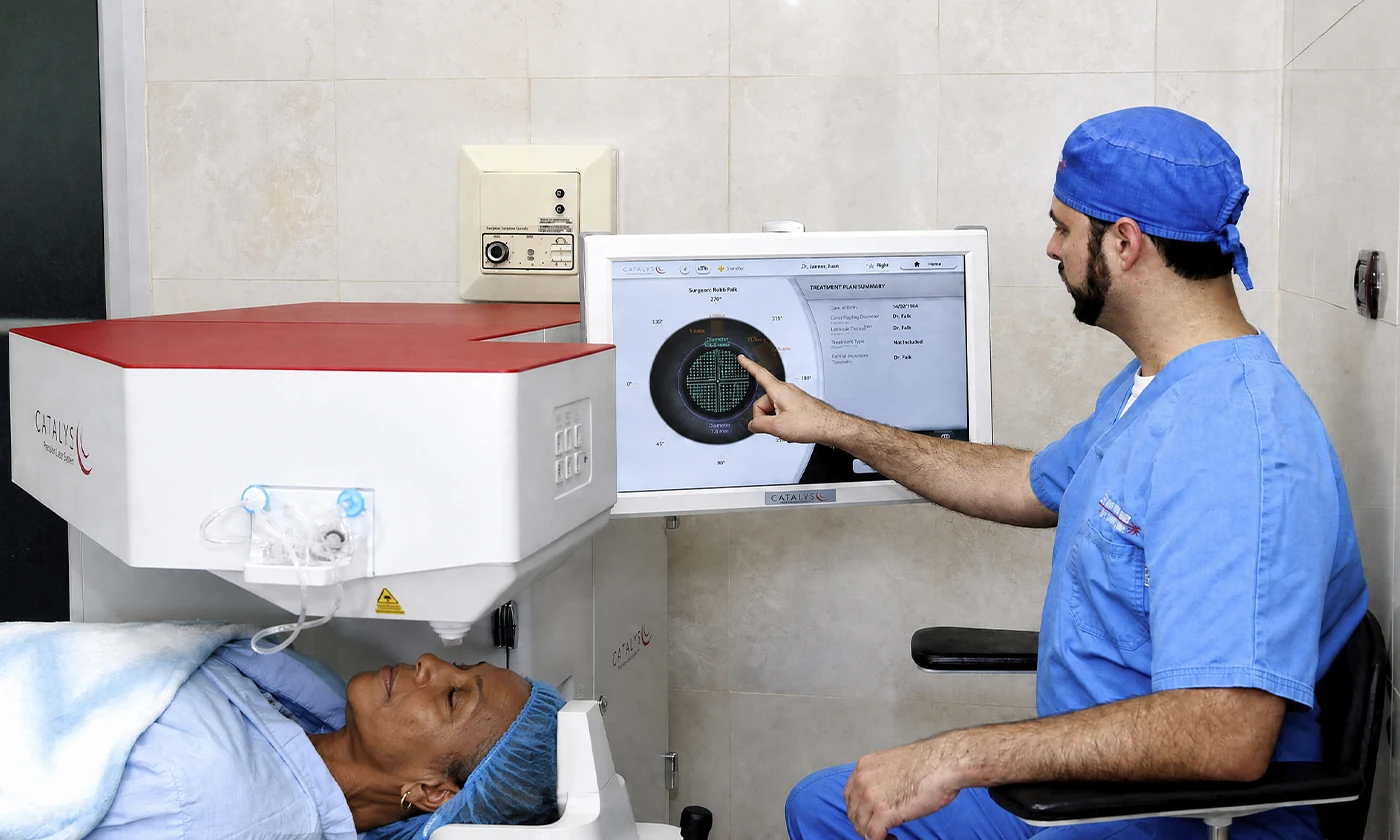
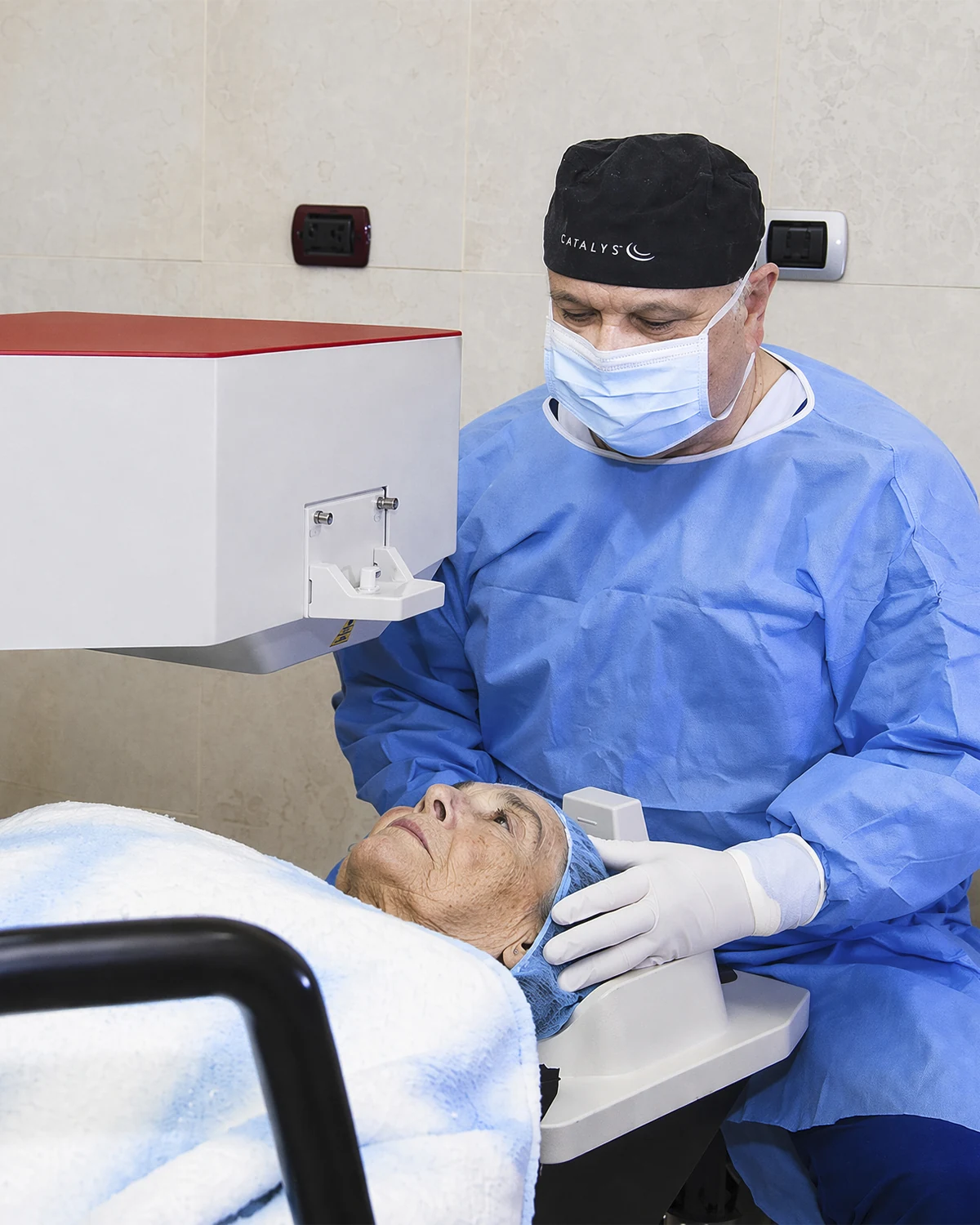
Femtosecond laser cataract surgery at Centro Láser, Santo Domingo

What you should know about cataracts

A cataract is clouding of the eye's natural lens, and it is the leading cause of reversible vision loss in adults over 60.

The good news: cataract surgery today is one of the safest, most successful procedures in modern medicine. Centro Láser was the first center in Latin America and North America to perform femtosecond laser cataract surgery, starting in 2009.

Our team evaluates every case individually: cataract type, eye anatomy, your visual goals, and lifestyle, to recommend the intraocular lens that fits you best among monofocal, toric, multifocal, trifocal, and extended depth of focus (EDOF) options.

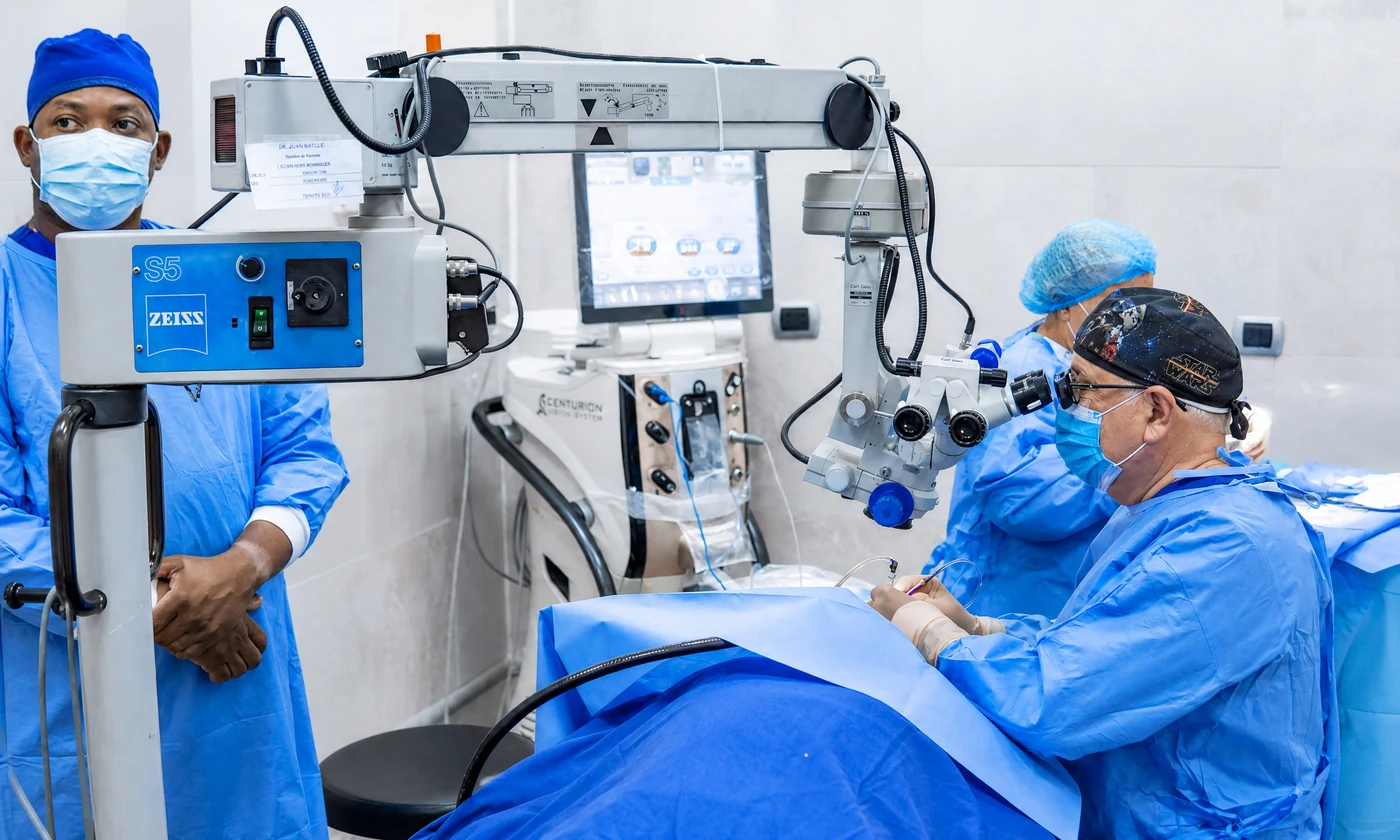
The procedure is outpatient, takes 15 to 30 minutes per eye, and recovery is quick. Most patients are back to their normal routine within a day or two after phacoemulsification.
What we
address

Each condition has its own symptoms, diagnosis, and treatment. If you recognize your symptoms in one of them, we can help.

Age-related cataracts

The most common type. It typically shows up after age 60, as the lens gradually loses its clarity.

  • Blurry or cloudy vision
  • Halos when driving at night
  • Sensitivity to glare and bright light
  • Faded or yellowish colors
  • Double vision in one eye

Congenital cataracts

Present at birth or in the first months of life. Early detection is critical to prevent permanent amblyopia.

  • A whitish appearance in the pupil
  • Eyes that don't track or focus on objects
  • No red reflex in flash photos
  • Strabismus (crossed eyes) in infants

Traumatic cataracts

Develops after a blow to the eye, a penetrating injury, or exposure to radiation or heat. It can appear right away or years later.

  • Blurry vision following an eye injury
  • A history of prior eye surgery
  • Progressive vision loss in one eye

Metabolic cataracts

Mainly linked to diabetes mellitus. Sustained high blood sugar speeds up lens clouding, even in younger adults.

  • Fluctuating blurry vision
  • Sudden changes in your glasses prescription
  • A prior diabetes diagnosis
  • Faster progression than expected for your age

This is how the world looks
with cataracts

Slide the bar to compare. Vision with cataracts looks blurry, yellowed, and ringed with halos around lights.

When treatment
makes sense

You don't have to wait. Treatment is considered as soon as one or more of these signs appear.

  • Your vision has turned blurry or cloudy and glasses no longer help

  • You see halos around lights or get glare driving at night

  • Colors look duller or have a yellowish tint

  • Your prescription keeps changing over short periods of time

  • You want to reduce or get rid of your need for glasses

How we treat
this condition

Two surgical paths backed by premium technology and dedicated specialists.

Cataract Surgery (Phacoemulsification)

Cataract Surgery (Phacoemulsification)

The gold-standard technique. 2.2mm micro-incision, premium intraocular lenses, and a 1-2 day recovery.

Duration
15-30 minutes per eye
Anesthesia
Topical (eye drops) plus light sedation
Recovery
7 days
Explore the procedure

Your recovery,
step by step.

Visual recovery is quick. We're with you at every post-op check until you're discharged.

01 /03

Early improvement

You'll notice clearer vision the very next day. You may feel some mild scratchiness, controlled with drops.

24h
02 /03

Sharper vision

You're back to your everyday activities. You'll continue with antibiotic and anti-inflammatory drops.

Days 2-7
03 /03

Full stabilization

Your vision reaches its sharpest point. Final postoperative check and medical discharge.

Weeks 2-6

Why choose us
for your care

Four concrete reasons to trust the health of your eyes to this team.

2009

Pioneers in Latin America and North America

The first center in the region to bring femtosecond laser technology to cataract surgery. Fifteen years refining the technique.

FDA ®

FDA-cleared technology

We operate with the Catalys® laser (FDA-cleared) and Alcon's premium Centurion® and Signature® Pro platforms.

5 +

Intraocular lens options

Full catalog: monofocal, toric, multifocal, trifocal, and extended depth of focus (EDOF) lenses.

1

One roof for diagnosis, surgery, and follow-up

IOL Master biometry, endothelial microscopy, macular OCT, and Pentacam, all in house. No outside referrals.

The technology behind
every procedure

Every pre-surgical study in one place, without ever leaving the center.

OCT Optical coherence tomography of the retina and optic nerve to catch silent diseases
IOL Master 500 Biometry Precise intraocular lens calculation for your cataract surgery (Zeiss)
Pentacam Advanced corneal tomography: a detailed map of the shape of your cornea (Oculus)
iTrace Ray tracing and optical aberration analysis for personalized surgery
Visante OCT Detailed imaging of the front of the eye (Zeiss)
Specular Microscopy Count and morphology of the corneal endothelium (Tomey / Konan)

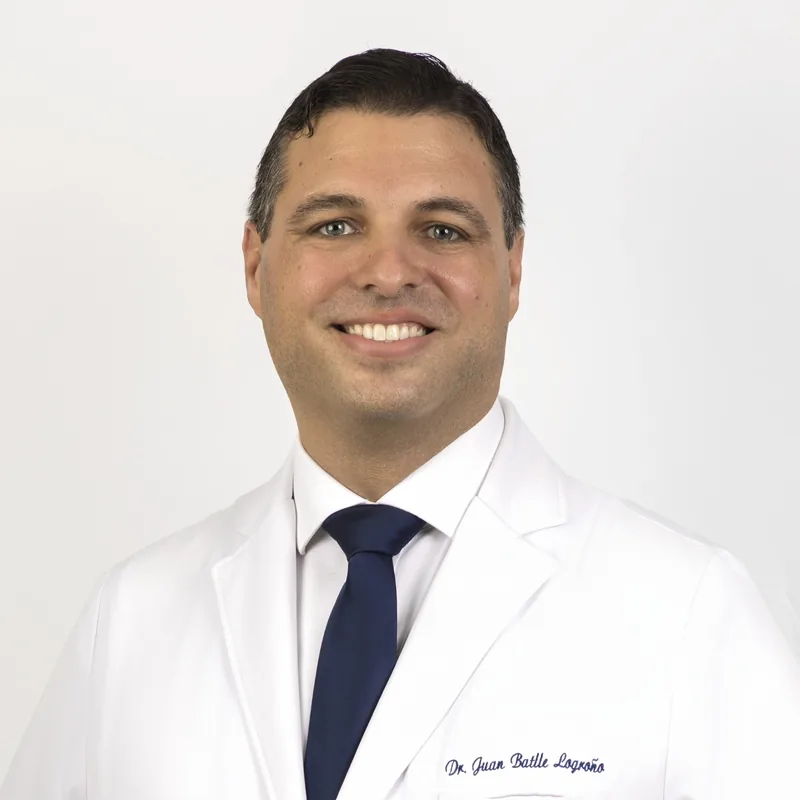
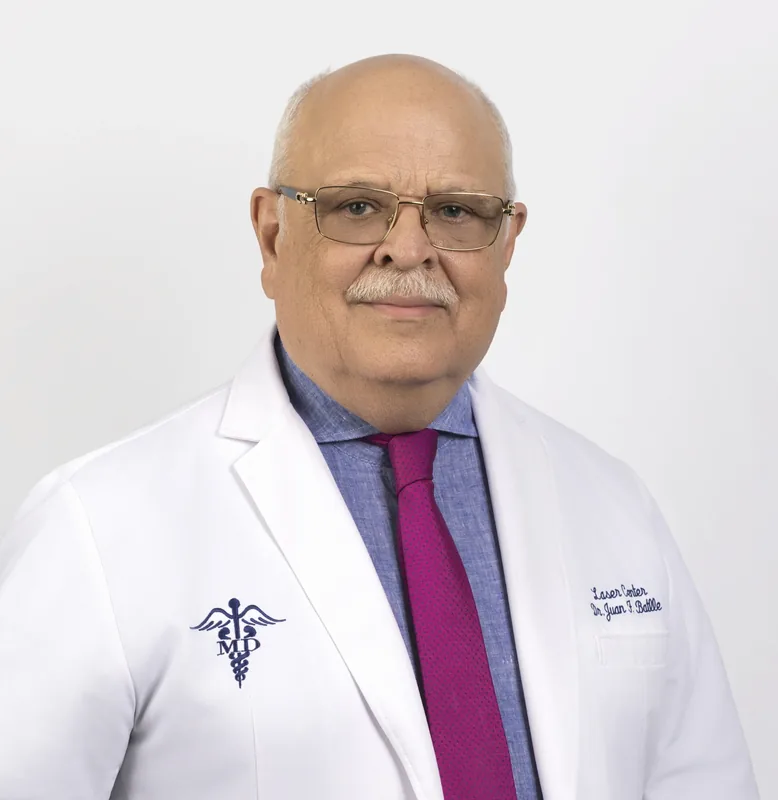
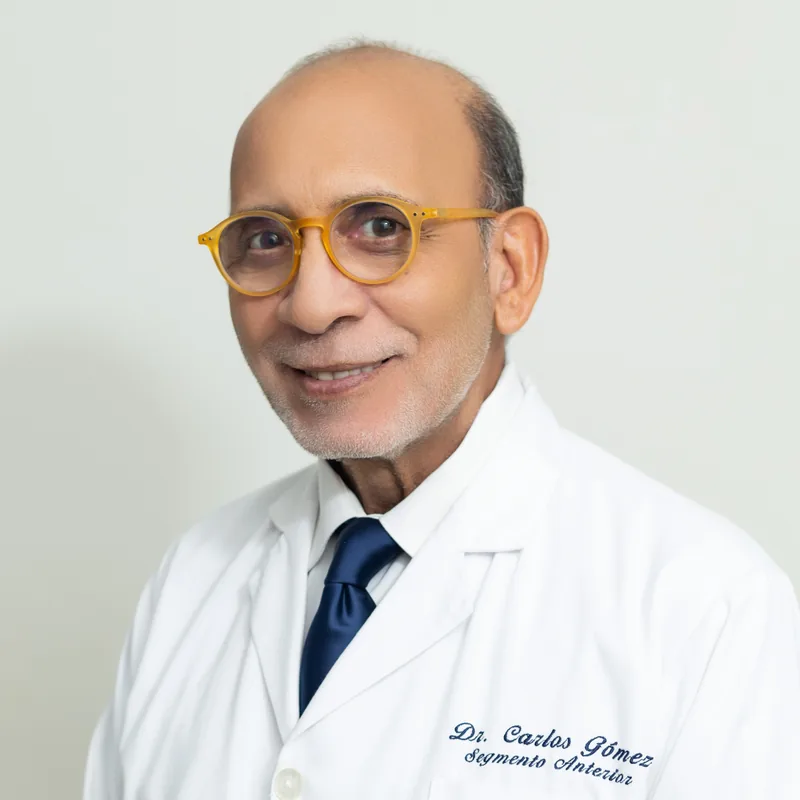
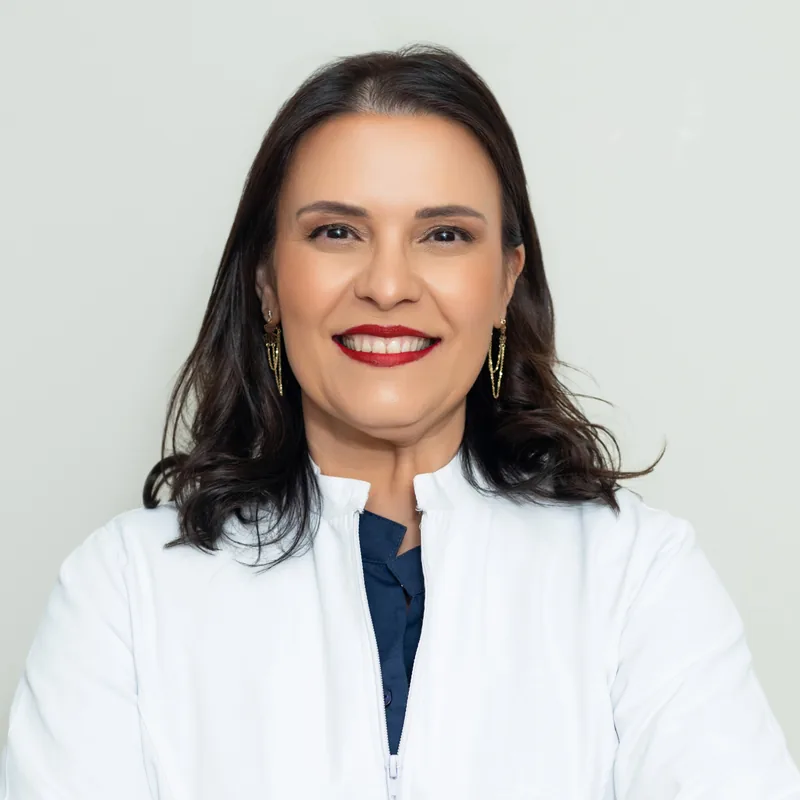
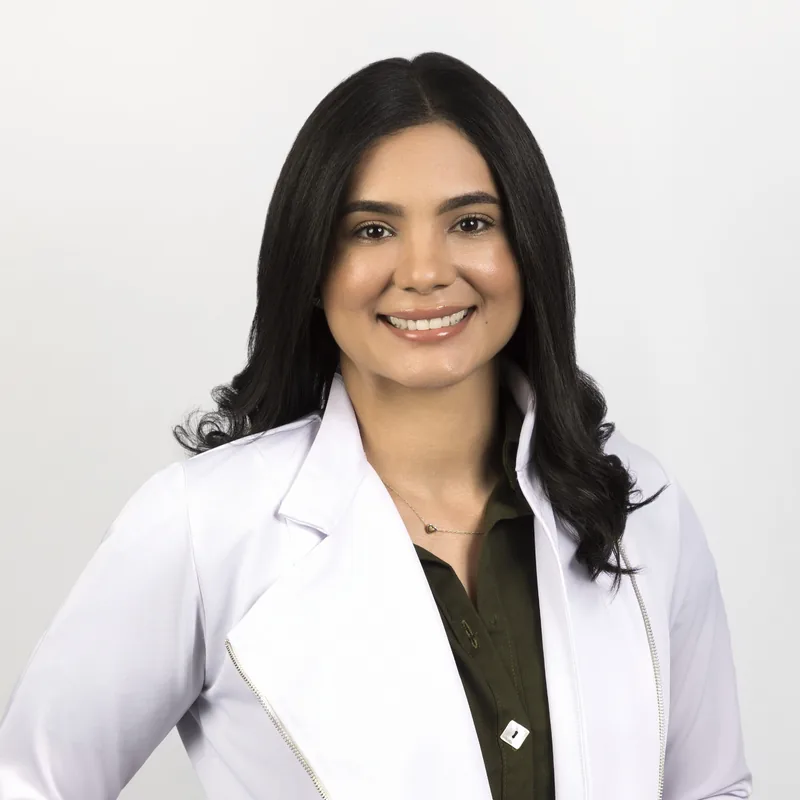
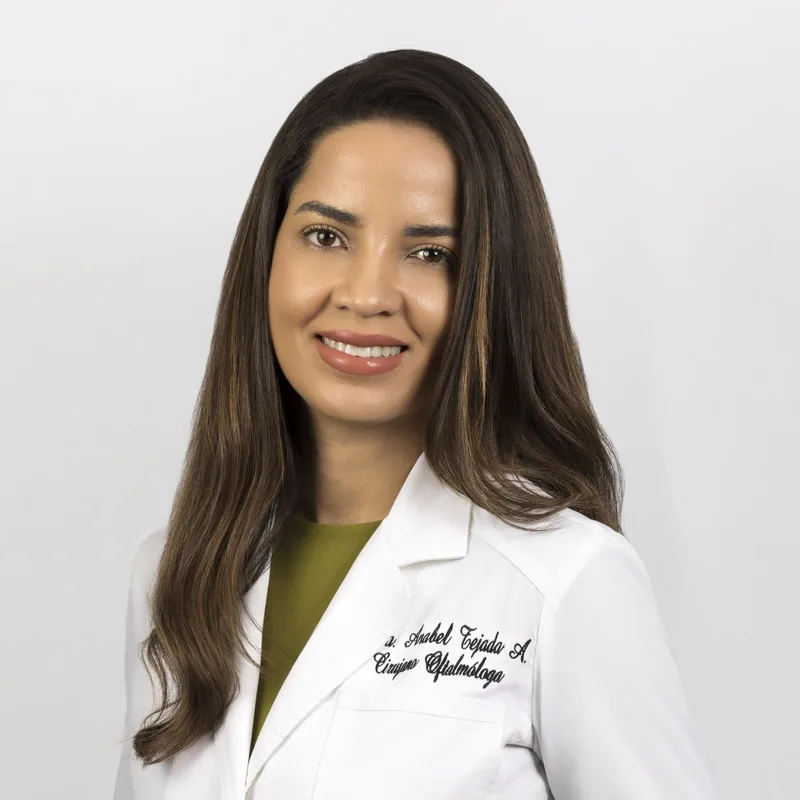
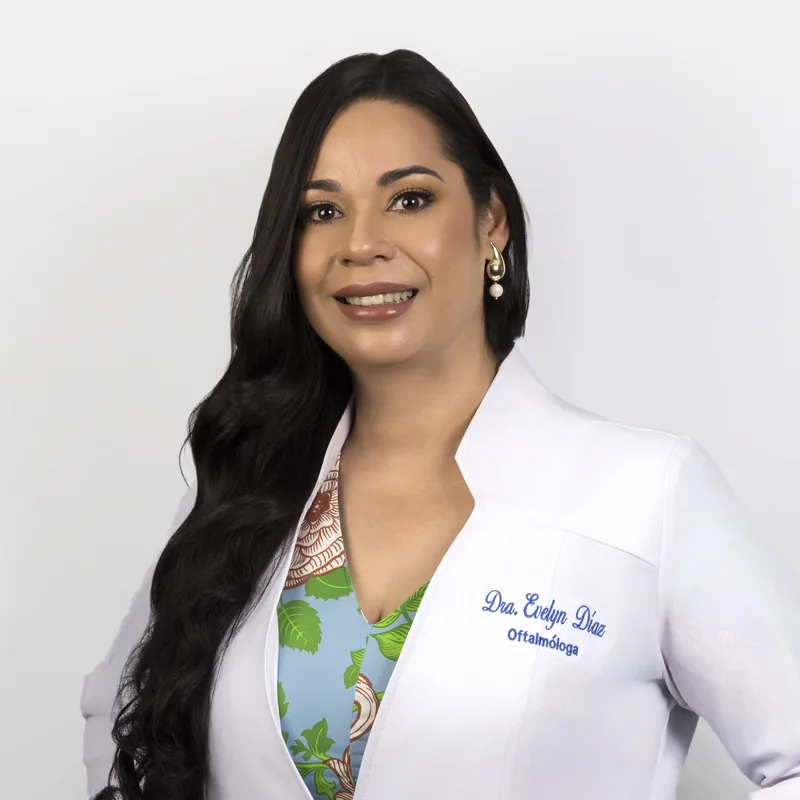
Specialized ophthalmologists
in cataracts

Meet the team who will handle your evaluation, surgery, and follow-up.

How to book your visit

Four steps.
One visit.

We designed every step so you reach your treatment plan without unnecessary detours.

1 /04

Book your visit

By WhatsApp, form, or phone. Within 24 hours we confirm the day, time, and specialist at the location you prefer.

24 h
2 /04

Initial evaluation

A complete eye exam with your specialist. We talk through your history, symptoms, and what you want to achieve.

45 min
3 /04

Diagnostic testing

Whatever your case calls for, done inside the center and often during the same visit.

Same day
4 /04

Treatment plan

Your doctor walks you through options, costs, and next steps. You decide with clear information.

Next steps

We accept the country's
major health plans

Most plans cover surgery with standard options. Premium options may require a copay.

Learn more
about cataracts

Patient guides reviewed by our specialists.

About
cataracts

No. Phacoemulsification is done with topical anesthesia (eye drops) and, when needed, light sedation. Most patients describe the experience as comfortable and pain-free during the procedure. Afterward, you may feel some mild scratchiness for the first few hours, which is controlled with the drops your doctor prescribes.

Visual recovery is quick: most patients are back to their normal routine within 1 to 2 days. During the first week you'll use anti-inflammatory and antibiotic drops, and avoid strenuous activity, dusty environments, and rubbing your eyes. Follow-up visits happen the next day, at one week, and between weeks 4 and 6, when your vision reaches its sharpest point.

It depends on your lifestyle, visual goals, and eye health. Your options are: monofocal (sharp vision at one distance, glasses needed for the other); toric (corrects astigmatism); multifocal or trifocal (vision at multiple distances without glasses); and extended depth of focus (EDOF) (a continuous focus range, ideal for screen use). Your surgeon will walk you through which one fits your case best after biometry and a clinical evaluation.

When your cataract starts getting in the way of daily life: driving at night, reading, using screens, recognizing faces, or doing your job comfortably. You don't need to wait for the cataract to fully "ripen": today, surgery happens as soon as it affects your quality of life, because modern technique is safer while the cataract is still less dense. Your specialist will tell you the right time for your case.

Most insurance plans cover cataract surgery with a standard monofocal lens. Premium lenses (multifocal, toric, trifocal, and extended depth of focus) usually require a copay. Check your coverage or call us to confirm your specific case.

Generally, no. It's best to schedule each eye 1 to 2 weeks apart, to allow for a safe recovery, evaluate how the first eye responds, and adjust the plan for the second eye if needed. Same-day bilateral surgery is only considered in select cases.

It depends on the intraocular lens you choose. With a monofocal lens, you'll still need glasses for one distance (usually reading). With multifocal, trifocal, or extended depth of focus (EDOF) lenses, your need for glasses drops significantly: most patients go about daily life without them.

Cataract surgery is one of the safest surgical procedures in modern medicine, with success rates above 95% in the hands of experienced surgeons. Possible risks are low: inflammation, infection, elevated eye pressure, or, in rare cases, retinal detachment. Most are caught and treated during your follow-up visits without affecting your final outcome.

This is usually posterior capsule opacification, a common, benign complication that can show up months or years after surgery. It's corrected easily in a short outpatient session with the YAG laser: painless, no incisions, with your vision sharpening again right away.

Yes. With the right premium intraocular lens, cataract surgery can correct other refractive errors at the same time: a toric lens corrects astigmatism, multifocal and trifocal lenses correct presbyopia (near, intermediate, and distance vision), and all of them correct nearsightedness or farsightedness. That's why many patients leave without needing glasses after surgery.

Where to
find us

Centro Láser Naco

C/ Fantino Falco #3, Ensanche Naco, Santo Domingo
+1 809 563-1324
Mon-Fri 7:30am – 5:00pm | Sat 7:30am – 12:00pm

Centro Láser Megacentro

Av. San Vicente de Paúl 321, Megacentro, Santo Domingo Este
+1 809 563-1324
Mon-Fri 7:30am – 5:00pm | Sat 7:30am – 12:00pm

Legacy Eye Clinic

C. Ing. Juan Paradas Bonilla 11, Santo Domingo

Get your clear vision back with cataract surgery

An evaluation with a fellowship-trained lens specialist. 45 minutes to walk away with a clear treatment plan: cataract type, eye anatomy, recommended intraocular lens, and coverage options.