Cataract Symptoms: When Is It Time for Surgery?
Cloudy vision or halos at night? Learn the symptoms of cataracts, when surgery makes sense, and why you no longer have to wait for them to "ripen."

If colors look duller than they used to, your vision seems foggy like looking through a steamed-up window, or streetlights at night surround themselves with glare and halos, you could be developing a cataract. Cataract symptoms creep up slowly, so slowly that many people get used to seeing poorly without realizing how much vision they've actually lost. The good news is that cataracts are treatable, and today cataract surgery is one of the safest and most common procedures in ophthalmology.
Cataracts are the leading cause of preventable blindness worldwide, according to the World Health Organization. And that's the key word: preventable. A cataract can't be cured with eye drops or a new eyeglass prescription, but it can be resolved by replacing the clouded lens with a clear artificial one. For most people, the question isn't whether to have surgery. It's when.
In this article, we'll cover what a cataract is, how to recognize its warning signs, and when surgery makes sense. Spoiler: you no longer need to wait for a cataract to "ripen."
What Is a Cataract and Why Does It Happen?
Inside your eye, just behind the pupil, sits a natural, clear lens called the crystalline lens. Its job is to focus light onto the retina so you can see clearly. Over the years, the proteins in that lens start to clump together and cloud it over. That's what a cataract is: a lens that used to be clear becomes cloudy, and light can no longer pass through it the way it should.
Age is by far the most common cause. Most cataracts become noticeable starting around age 60, though they can show up earlier because of diabetes, long-term use of certain medications, unprotected sun exposure, or an eye injury. A cataract isn't contagious, and it isn't caused by anything you did wrong. It's simply part of your eye's natural aging process.
What's important to understand is that a cataract is progressive, meaning it doesn't stay the same. It keeps advancing over time. So the goal isn't to panic. It's to recognize it early and decide, together with your ophthalmologist, on the right time to act.
The Most Common Cataract Symptoms
Cataract symptoms develop gradually, and at first they can be mistaken for simple eye strain or "tired eyes." Here are the most common ones:
- Cloudy or blurry vision, like looking through a steamed-up window or a dirty windshield.
- Faded or yellowish colors that become vivid again after surgery.
- Glare and halos around lights, especially when driving at night.
- Poor night vision, which makes driving after dark uncomfortable or unsafe.
- Frequent changes in your eyeglass prescription that stop working within just a few months.
- Needing brighter light to read or do close-up tasks.
One detail many patients notice is that one eye sees worse than the other, or that they can suddenly read up close without reading glasses (sometimes called "second sight," a temporary effect caused by the changes inside the lens). If several of these signs sound familiar, it doesn't mean you need surgery tomorrow. It means it's time for an eye exam to see how far the cataract has progressed.
When Should You Have Cataract Surgery?
This is the question we hear most often, and the answer has changed in recent years. Patients used to be told to wait until the cataract "ripened." That's not how ophthalmologists practice today. Surgery is recommended once a cataract starts affecting your quality of life, not when it reaches some specific stage of ripeness.
What does "affecting your quality of life" mean in practice? That you no longer feel comfortable driving at night, or that reading, watching TV, recognizing faces, or doing your job has gotten harder. If your vision still lets you go about your daily activities without trouble, there's no rush, and you can wait comfortably. But once a cataract starts getting in the way of daily life, having surgery in a timely manner is linked to a lower risk of falls and car accidents, according to the American Academy of Ophthalmology.
Waiting too long isn't free of consequences either. When a cataract is left to advance too far, it becomes denser and surgery can become more difficult. At Centro Láser, we prefer to evaluate your case carefully and decide together with you, with no pressure and no rush, when your time has come. We call that caring for your Visual Life Plan.
What Is Cataract Surgery Like?
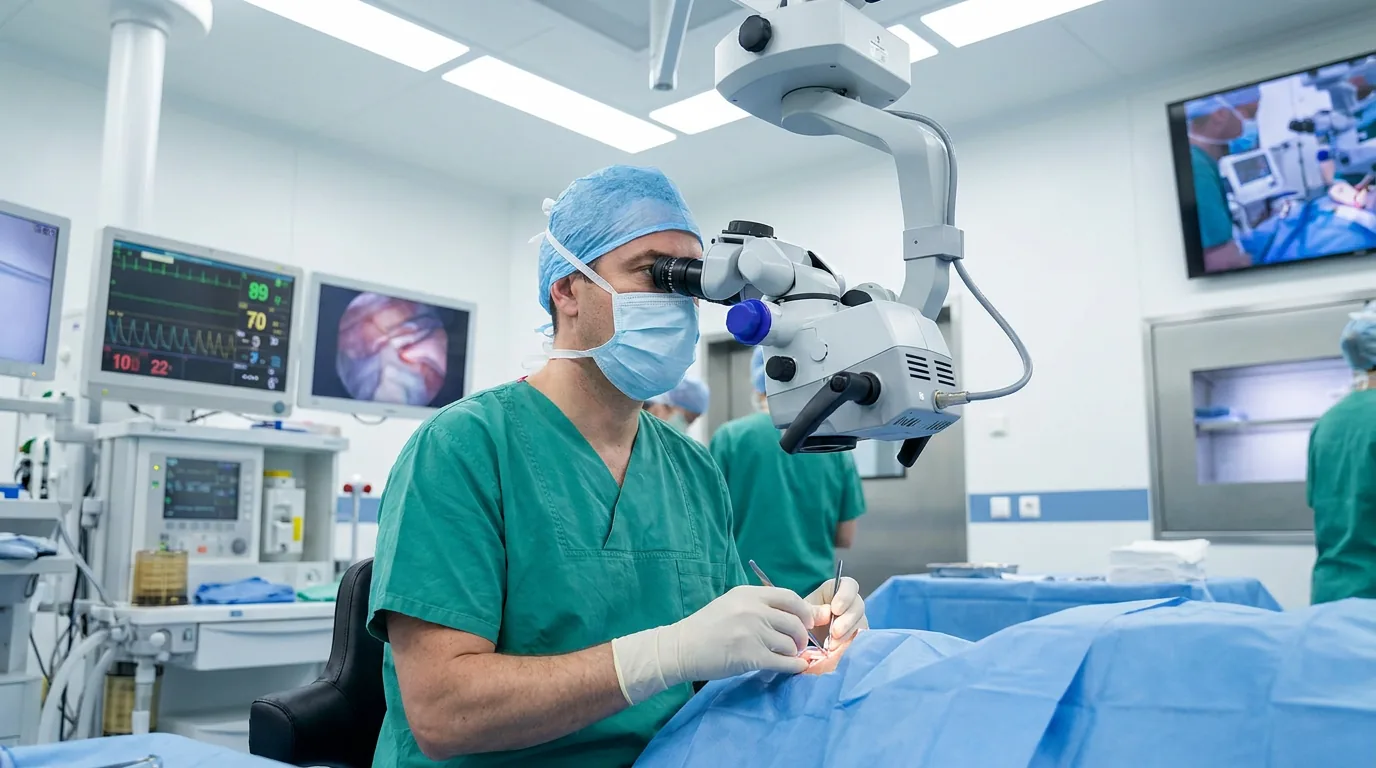
Cataract surgery involves removing the clouded lens and replacing it with a clear intraocular lens that stays inside your eye permanently. It's an outpatient procedure that takes just a few minutes per eye, done with numbing eye drops, and in the vast majority of cases, it doesn't require an overnight hospital stay.
The most common technique is phacoemulsification, which uses ultrasound to break up the lens and gently suction it out through a very small incision. Centro Láser was among the first centers in Latin America and North America to adopt femtosecond laser cataract surgery, back in 2009, a technology that allows certain steps of the procedure to be performed with laser assistance and computer-guided precision.
Not every case needs the same approach, and there are different types of intraocular lenses depending on what each patient wants for their vision. That's why surgery always starts with a thorough eye exam that determines the right technique and lens for your eyes.
Which Intraocular Lens Is Right for You?
The lens that replaces your natural one is called an intraocular lens (IOL), and there isn't just one kind. It's chosen based on how you want to see after surgery, and knowing your options will help you have a better conversation with your ophthalmologist.
- Monofocal: focuses at a single distance, usually far away. It's the most widely used option and typically still requires reading glasses for close-up tasks, according to the American Academy of Ophthalmology.
- Multifocal or extended depth-of-focus: designed to provide good vision at multiple distances and reduce your dependence on glasses, though some people notice halos or glare when driving at night.
- Toric: corrects astigmatism, so it's a good fit when your cornea is astigmatic in addition to having a cataract.
No single lens is "the best" for everyone. The right one depends on your prescription, your astigmatism, your lifestyle, and how much it matters to you to drive at night or read without glasses. That decision is made together with you, based on your own eye exam results, never by default.
What a Cataract Evaluation Includes
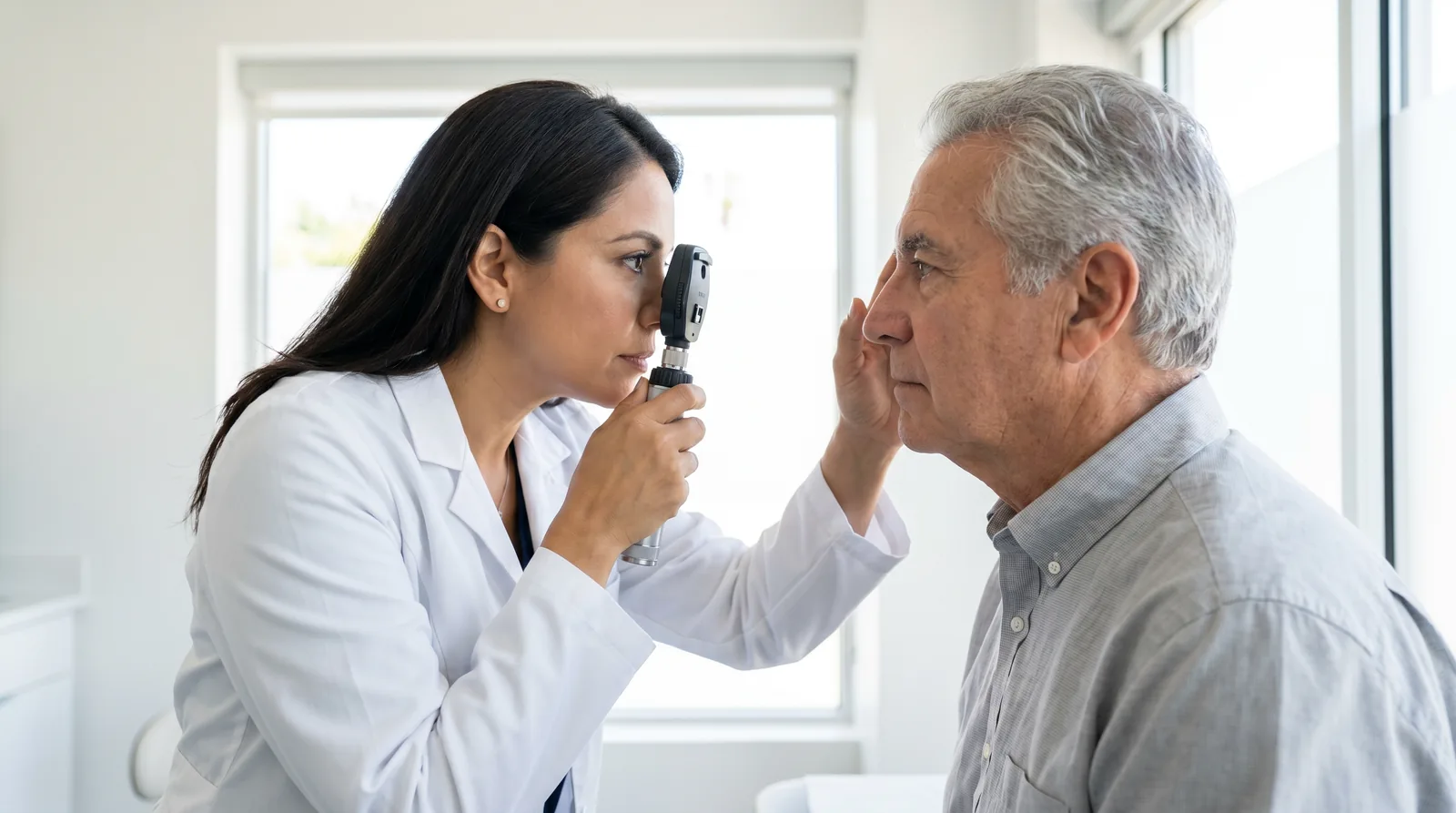
Before we even talk about surgery, we run a complete eye exam. We measure your visual acuity, check your lens with a slit lamp, use biometry to calculate the exact intraocular lens your eye needs, and rule out other causes of blurry vision, such as retina problems or glaucoma. That exam is what confirms whether the cataract is really what's affecting your vision.
Sometimes the result is that surgery makes sense now. Other times, it's that you can wait comfortably for a few more months. Both answers are good outcomes. What matters is making the decision with real information in front of you, not out of fear or urgency.
The Myth of Waiting for a Cataract to "Ripen"
This point is worth repeating because it still causes confusion. Many people grew up hearing that a cataract "needs to ripen" before you can operate on it. That idea comes from decades ago, when surgery was more invasive and waiting made more sense. With today's techniques, surgeons rarely use the term "ripe" anymore, and the truth is actually the opposite: a very advanced cataract is harder and denser, which makes surgery more difficult.
That doesn't mean you should rush into surgery at your very first symptom. It means the decision is based on how you see and how you live, not on some magic stage of ripeness. If someone tells you to wait "until it's good and ripe," ask them why, because that's no longer the standard modern ophthalmology follows.
Frequently Asked Questions
Can eye drops or glasses get rid of a cataract? No. No eye drop, vitamin, or new eyeglass prescription can remove a cataract. A new prescription may help for a while in the early stages, but surgery to replace the clouded lens is the only treatment that actually resolves it.
Is cataract surgery risky? It's one of the most commonly performed surgeries in the world. Most patients see better afterward: about 9 out of 10 report improved vision after surgery, according to the National Eye Institute, and the success rate is above 97% under the right conditions and without other eye diseases present. Like any procedure, it carries some risk, which your ophthalmologist will walk you through, but serious complications are rare.
At what age do cataracts appear? Most become noticeable after age 60, though they can develop earlier due to diabetes, certain medications, or eye injuries. That's why regular eye exams starting at 60, or earlier if you have risk factors, are worth scheduling.
Can a cataract come back after surgery? Not really, since the clouded lens is removed for good. What can happen over time is that the capsule holding the new lens in place becomes cloudy. That's a different issue, and it's resolved in minutes with a simple in-office laser procedure.
How long does recovery take? Many patients notice improved vision within the first few days. Full recovery and your final visual adjustment take a few weeks, as you follow your specialist's instructions and use the prescribed eye drops.
Don't Wait Until You Can't See
Cataracts advance slowly, and that's exactly the risk: you get used to seeing poorly and start accepting as normal a kind of vision loss that actually has a solution. Recognizing the symptoms early puts you back in control of the decision.
If several of the signs in this article sound like you, the next step isn't surgery. It's an evaluation. Schedule a cataract evaluation at Centro Láser, and let's look at your results together to see whether it's your time or whether you can comfortably wait.
Request your evaluation and we'll reach out to schedule your visit.
This content is for informational purposes only and is not a substitute for professional medical advice, diagnosis, or treatment. If you have questions about your eye health, please consult your ophthalmologist.
Written by Centro Láser. Clinically reviewed by Dr. Juan Batlle Pichardo, founder of Centro Láser.