Surgery of the eyelids, tear ducts, and orbit

Oculoplastics

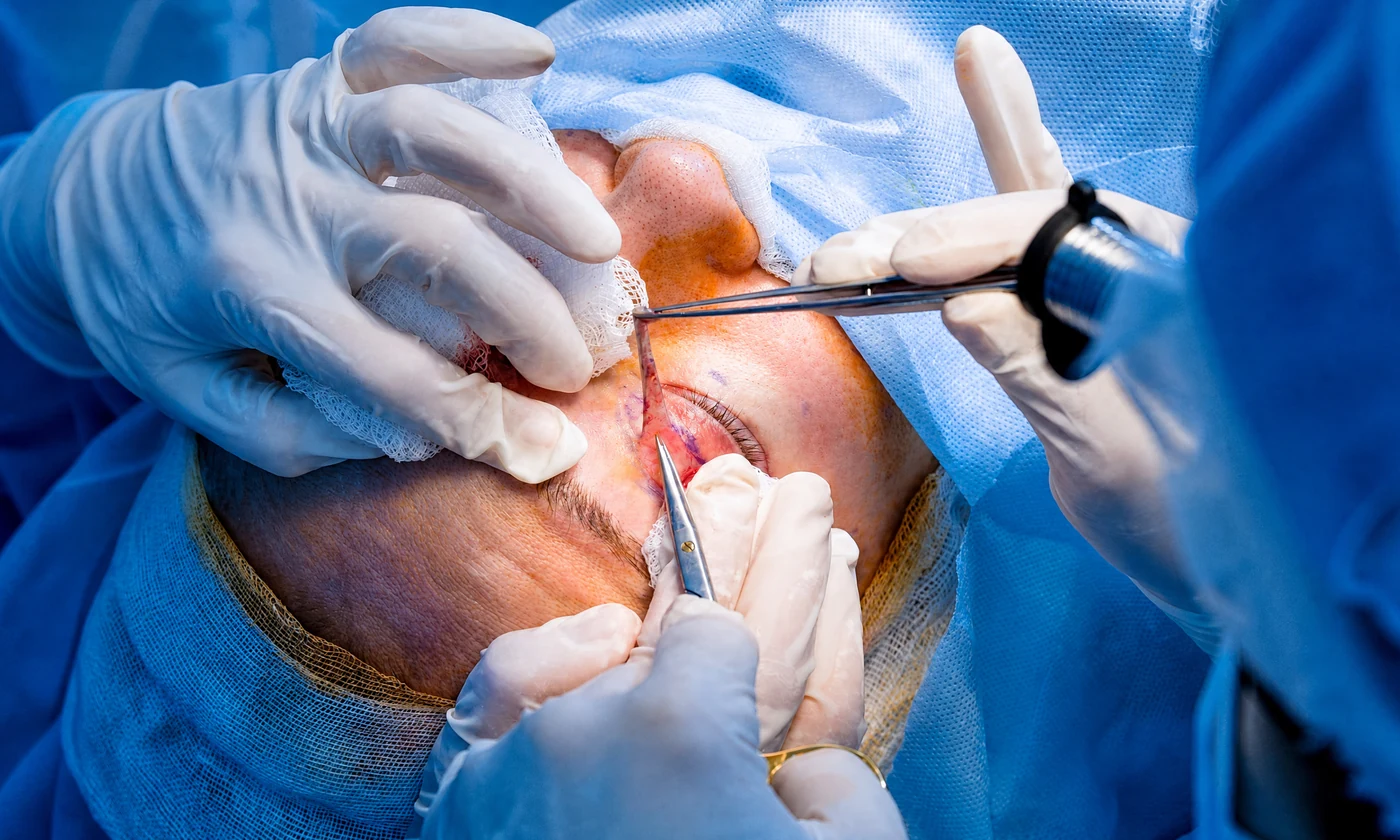
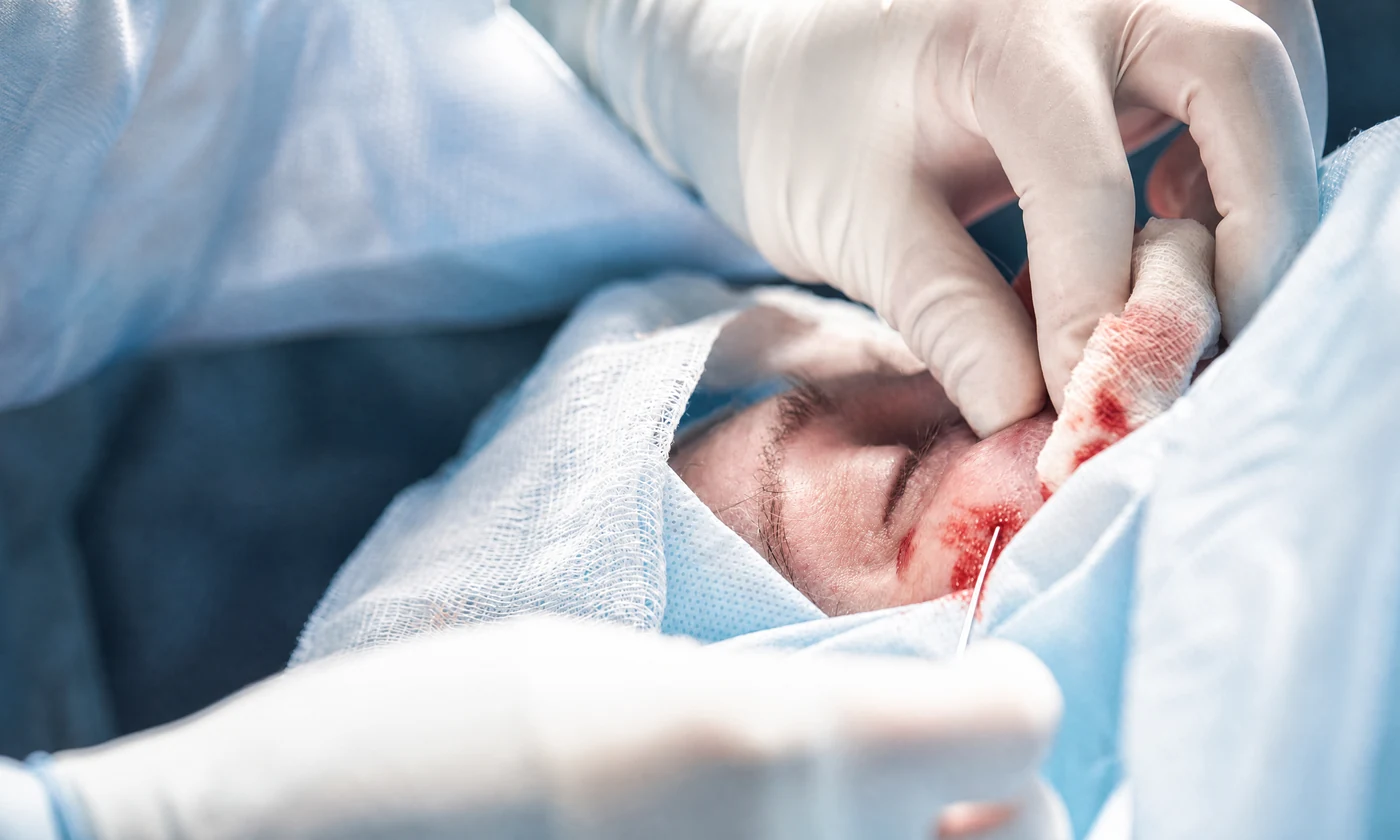
A droopy eyelid, a constantly watery eye, or puffy under-eye bags aren't only cosmetic; they often get in the way of your vision and daily comfort. Our specialists treat these with both functional and cosmetic surgery of the eyelids, tear ducts, and orbit.

Oculoplastic eyelid and orbit surgery at Centro Láser, Santo Domingo

What you should know about oculoplastics

Oculoplastics, or ocular plastic surgery, is the ophthalmology subspecialty that treats the structures surrounding the eye: the eyelids, tear ducts, orbit, and periocular area. It combines two dimensions that are inseparable in this field: function (protecting the eye, keeping it lubricated, and preserving good vision) and aesthetics (a natural, well-rested look).

Many of these conditions get dismissed as purely cosmetic, but they have a real impact. A droopy eyelid (ptosis) can block part of your field of vision and force you to tilt your head back to see. Constant tearing from a blocked tear duct is uncomfortable and raises your risk of infection. An eyelid that turns inward or outward (entropion or ectropion) irritates the cornea and can damage it.

The advantage of choosing a fellowship-trained oculoplastic ophthalmologist over a general plastic surgeon is that they protect the eye and its function while still achieving a natural aesthetic result. They know the anatomy of the eyelid, the tear film, and the ocular surface better than anyone.

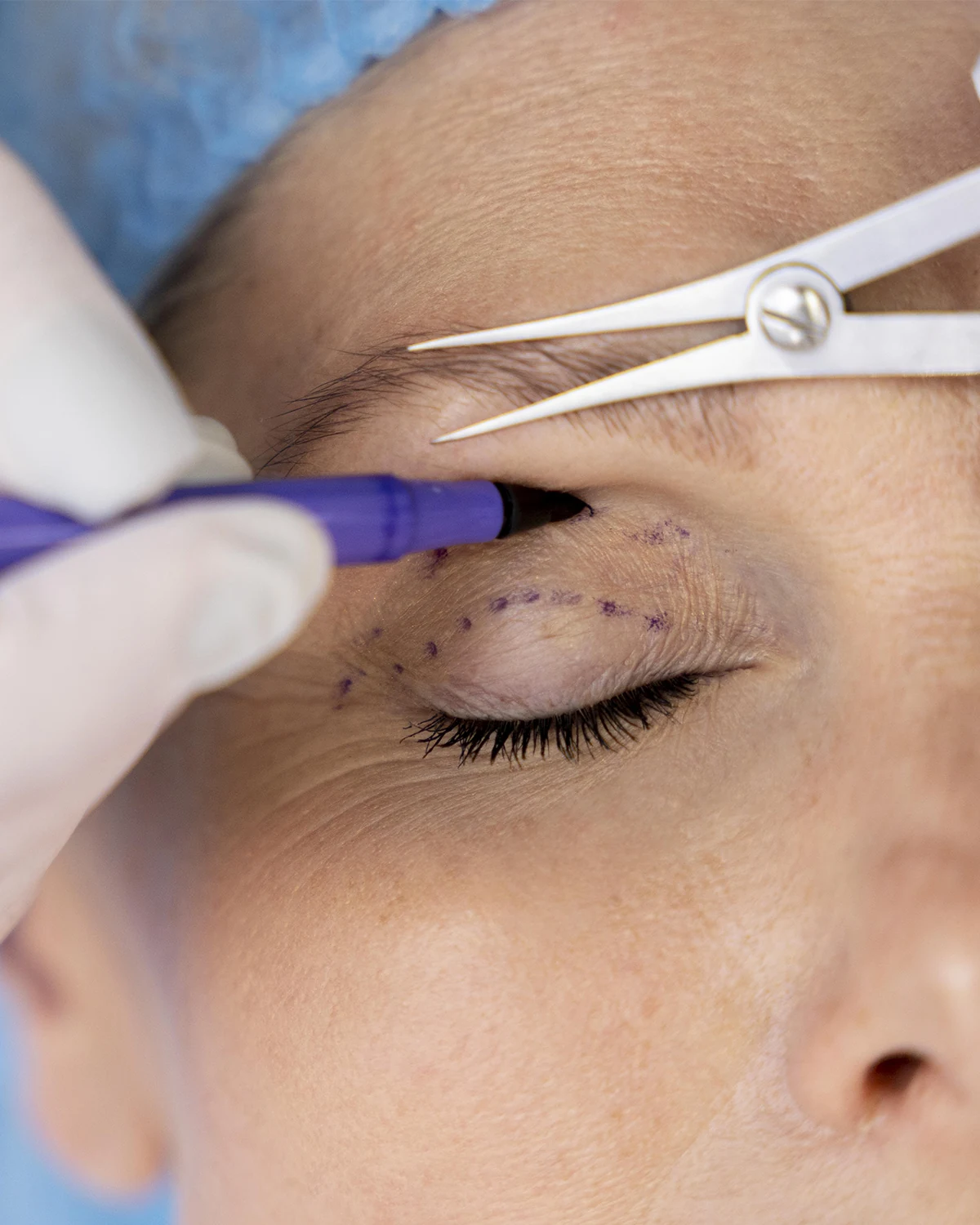
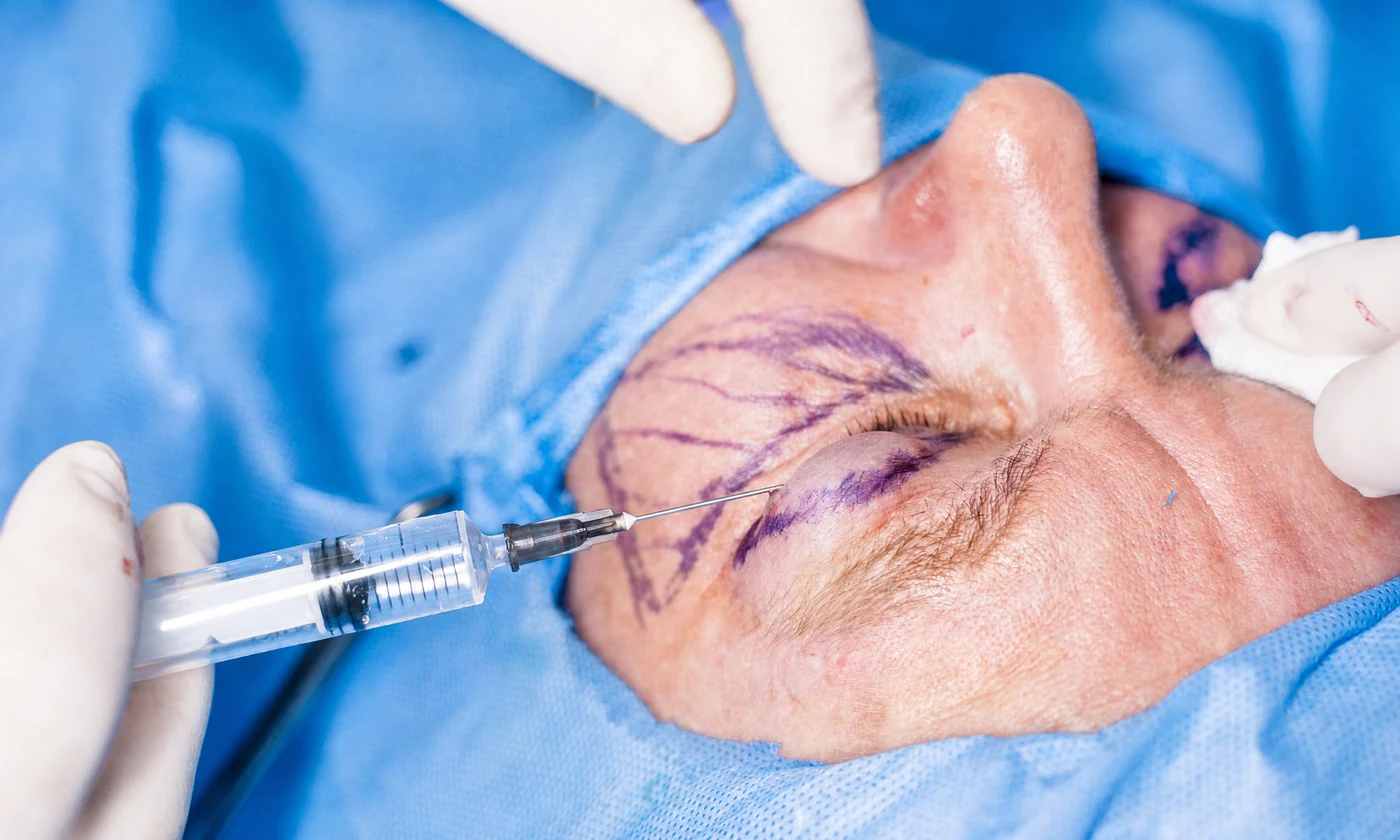
At Centro Láser we offer the full range: blepharoplasty for both cosmetic and functional concerns, ptosis surgery for a droopy eyelid, tear duct surgery for chronic tearing, and reconstructive and orbital surgery for eyelid malposition, tumors, and thyroid eye disease.
What we
address

Each condition has its own symptoms, diagnosis, and treatment. If you recognize your symptoms in one of them, we can help.

Ptosis (Droopy Eyelid)

The upper eyelid droops more than normal and can cover part of the pupil, reducing your field of vision. It is not always cosmetic: when it blocks your vision, correcting it is functional and usually covered by insurance. It can be caused by aging, be present from birth, or come from a weak elevator muscle.

  • One or both eyelids droop and cover part of the eye
  • You tilt your head back or raise your eyebrows to see better
  • Your eyes feel tired by the end of the day
  • A sleepy look or sad appearance
  • Reduced upper field of vision

Under-Eye Bags and Excess Skin (Dermatochalasis)

With age, eyelid skin loses firmness and bags and folds appear. This is almost always cosmetic, but when excess skin on the upper eyelid is significant, it can also reduce your field of vision. It is corrected with blepharoplasty.

  • Bags under the eyes that make you look tired
  • Excess skin on the upper eyelid
  • A skin fold that rests on your eyelashes
  • An aged or sad appearance
  • A feeling of heaviness in the eyelids

Watery Eyes and Tear Duct Obstruction

When the duct that drains tears becomes blocked, the eye tears up constantly and becomes prone to infection. It is uncomfortable and persistent. It is treated with tear duct surgery (DCR, or dacryocystorhinostomy), which creates a new drainage pathway.

  • Tears running down your cheek with no emotional cause
  • Frequent discharge or crusting
  • Eyes stuck shut when you wake up
  • Episodes of infection or swelling next to the nose
  • Intermittent blurry vision from excess tearing

Eyelid Malposition and Orbital Conditions

This includes entropion (an eyelid that turns inward, with lashes rubbing against the eye), ectropion (an eyelid that turns outward), eyelid tumors, and thyroid eye disease (bulging eyes caused by thyroid disease). These require reconstructive or orbital surgery.

  • A foreign-body sensation or eyelashes rubbing against the eye
  • An eyelid that turns inward or outward
  • A bump, lesion, or change in shape in the eyelid
  • Bulging eyes or eyes that appear more open than usual
  • Chronic irritation and redness

When treatment
makes sense

You don't have to wait. Treatment is considered as soon as one or more of these signs appear.

  • Your upper eyelid droops and blocks part of your vision, or forces you to tilt your head back

  • You have bags or excess skin on your eyelids that make you look tired

  • Your eyes tear up constantly, or you wake up with discharge and eyes stuck shut

  • Your eyelid turns inward or outward and feels irritated

  • You notice a bump on your eyelid or a change in its shape that will not go away

How we treat
this condition

Eyelid, tear duct, and orbital surgery that brings together function and aesthetics. We solve the problem while always protecting your vision.

Blepharoplasty (Eyelid Surgery) Cosmetic and Functional

Blepharoplasty (Eyelid Surgery)

Removes excess eyelid skin and puffiness. It rejuvenates your look, and when it affects your field of vision, it's functional too.

Duration
45-90 minutes
Anesthesia
Local anesthesia with sedation
Recovery
10 days
Explore the procedure
Lacrimal Surgery (Dacryocystorhinostomy) Stops constant tearing

Lacrimal Surgery (Dacryocystorhinostomy)

Fixes constant tearing by creating a new drainage path when the tear duct is blocked. Prevents infections.

Duration
60-90 minutes
Anesthesia
Local anesthesia with sedation, or general anesthesia
Recovery
10 days
Explore the procedure
Ptosis Repair Surgery Functional

Ptosis Repair Surgery

Repositions the levator muscle to lift a drooping eyelid. When it blocks your vision, the surgery is functional and insurance plans often cover it.

Duration
45-60 minutes
Anesthesia
Local anesthesia with sedation
Recovery
10 days
Explore the procedure
Reconstructive and Orbital Surgery Reconstructive Surgery

Reconstructive and Orbital Surgery

Corrects inward or outward turned eyelids, removes eyelid tumors, and treats orbital conditions and thyroid eye disease.

Duration
45-120 minutes, depending on the case
Anesthesia
Local anesthesia with sedation, or general anesthesia
Recovery
14 days
Explore the procedure

Your recovery,
step by step.

Visual recovery is quick. We're with you at every post-op check until you're discharged.

01 /03

Immediate recovery

Swelling and bruising around the eye are normal and expected. Use cold compresses and rest. Stitches usually come out between days 5 and 7.

Days 1-7
02 /03

Back to your routine

Bruising fades and you can get back to your social life. The scar, hidden in the eyelid's natural fold, keeps maturing and becomes nearly invisible.

Weeks 2-4
03 /03

Final results

Your final aesthetic result becomes visible once any residual swelling fully resolves and the scar finishes maturing.

Months

Why choose us
for your care

Four concrete reasons to trust the health of your eyes to this team.

Ocular

A specialist, not a general surgeon

Your surgery is performed by a fellowship-trained oculoplastic ophthalmologist, who protects your eye's function and surface while still achieving a natural result.

2-in-1

Function and aesthetics together

When it comes to the eyelid, function and aesthetics go hand in hand. We solve the vision problem while also giving you a rested, natural look.

Insurance

Coverage for functional cases

When a droopy eyelid or malposition affects your vision, surgery is often covered by insurance because it is functional, not purely cosmetic. We help you confirm your coverage.

1

Everything under one roof

Evaluation, visual field testing when needed, and surgery, all within the same eye center, with close follow-up.

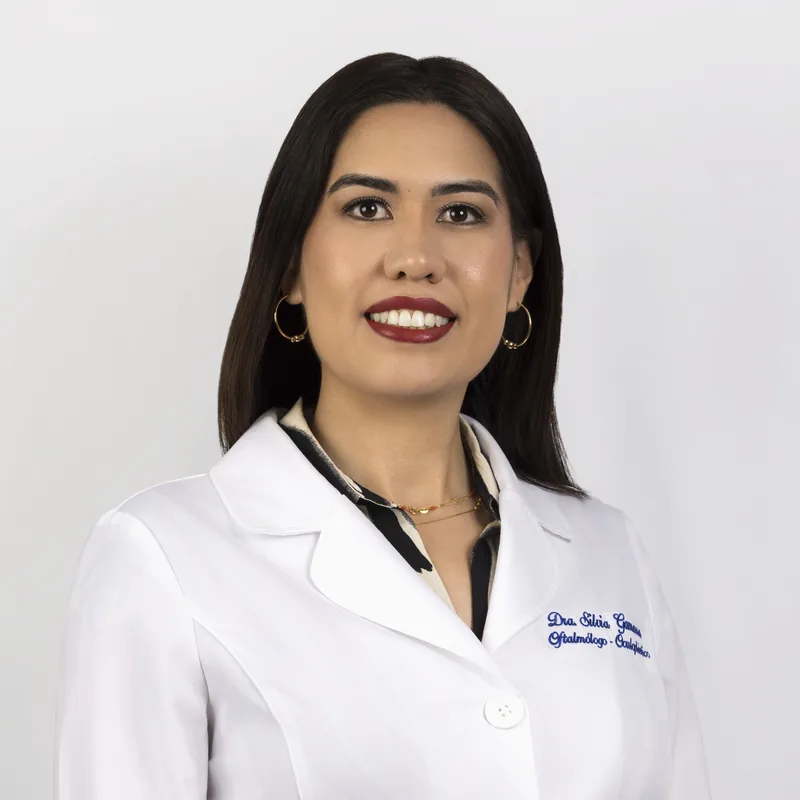
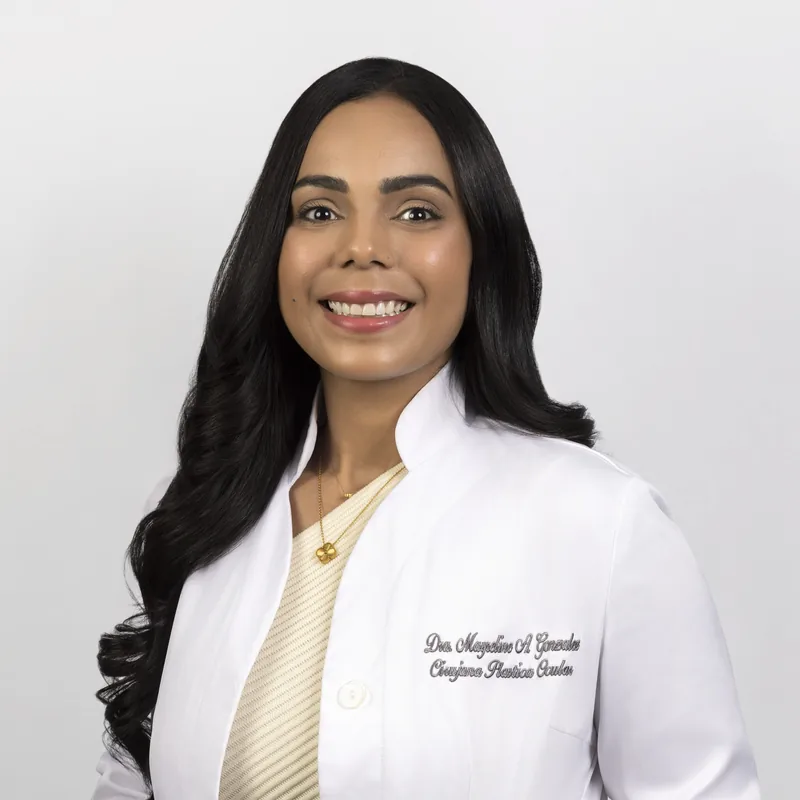
Specialized ophthalmologists
in oculoplastics

Meet the team who will handle your evaluation, surgery, and follow-up.

How to book your visit

Four steps.
One visit.

We designed every step so you reach your treatment plan without unnecessary detours.

1 /04

Book your visit

By WhatsApp, form, or phone. Within 24 hours we confirm the day, time, and specialist at the location you prefer.

24 h
2 /04

Initial evaluation

A complete eye exam with your specialist. We talk through your history, symptoms, and what you want to achieve.

45 min
3 /04

Diagnostic testing

Whatever your case calls for, done inside the center and often during the same visit.

Same day
4 /04

Treatment plan

Your doctor walks you through options, costs, and next steps. You decide with clear information.

Next steps

We accept the country's
major health plans

Most plans cover surgery with standard options. Premium options may require a copay.

Learn more
about oculoplastics

Patient guides reviewed by our specialists.

About
oculoplastics

It can be both, and often is at the same time. It is functional when a droopy eyelid (ptosis) or excess skin blocks part of your visual field and forces you to strain to see. It is cosmetic when the goal is to rejuvenate your look by removing bags or excess skin. The advantage of choosing a fellowship-trained oculoplastic ophthalmologist is that they address the functional issue while protecting your vision, and achieve a natural result at the same time.

When the surgery is functional, meaning a droopy eyelid or excess skin is reducing your visual field, many insurance plans cover it. This is documented with a visual field test that shows the obstruction. If the surgery is purely cosmetic, it usually is not covered. At your evaluation, we determine which case applies to you and help you with the required documentation.

Because around the eye, function and aesthetics cannot be separated. A fellowship-trained oculoplastic ophthalmologist has deep knowledge of eyelid anatomy, the tear film, and the ocular surface, and knows how to operate without compromising lubrication or eyelid closure. This lowers the risk of complications like dry eye or incomplete eyelid closure, while still achieving a natural aesthetic result.

Ptosis is a drooping upper eyelid that can cover part of the pupil and reduce your vision. It is corrected with surgery that tightens or repositions the eyelid's elevator muscle, restoring it to its normal height. It is an outpatient procedure done under local anesthesia. When ptosis affects your vision, correcting it is considered functional. It is important to distinguish it from simple excess skin, since the treatment is different.

It is the surgery that removes excess skin and bags from the upper and lower eyelids. On the upper eyelid, the incision is hidden in the natural fold and becomes nearly invisible; on the lower eyelid, it is made from inside the eyelid or just below the lashes. It rejuvenates your look, and when excess skin on the upper eyelid is reducing your visual field, it also restores function.

Constant tearing is usually caused by a blocked tear duct, the channel that drains tears toward the nose. When it becomes blocked, tears overflow and the eye becomes prone to infection. It is treated with a surgery called dacryocystorhinostomy (DCR), which creates a new drainage pathway. It is very effective at resolving tearing and preventing recurrent infections.

Most procedures are outpatient. In the first few days, you will have swelling and bruising around the eye, which is normal and managed with cold compresses and rest. Stitches usually come out between days 5 and 7. Bruising fades within 2 to 3 weeks, at which point you can get back to your social life. The scar, hidden in the natural folds of the eyelid, matures over the following months until it becomes nearly invisible.

The goal of well-done oculoplastic surgery is precisely that the surgery does not show, only the rest does: you look fresher and more natural, not operated on. Incisions are designed to hide in the eyelid's natural folds. The key is the surgeon's experience in removing just the right amount and preserving the natural expression of your eyes, without a tight or artificial look.

Most eyelid lesions are benign (like a chalazion or a cyst), but some can be tumors that require treatment. That is why any bump that grows, changes color, bleeds, or does not go away should be evaluated by an oculoplastic specialist. When necessary, the lesion is removed and analyzed, and the eyelid is reconstructed with careful attention to both function and aesthetics.

Where to
find us

Centro Láser Naco

C/ Fantino Falco #3, Ensanche Naco, Santo Domingo
+1 809 563-1324
Mon-Fri 7:30am – 5:00pm | Sat 7:30am – 12:00pm

Centro Láser Megacentro

Av. San Vicente de Paúl 321, Megacentro, Santo Domingo Este
+1 809 563-1324
Mon-Fri 7:30am – 5:00pm | Sat 7:30am – 12:00pm

Legacy Eye Clinic

C. Ing. Juan Paradas Bonilla 11, Santo Domingo

A look that works, and looks natural

Evaluation with our oculoplastics team. We address the functional and the aesthetic at the same time, always protecting the health of your eye.