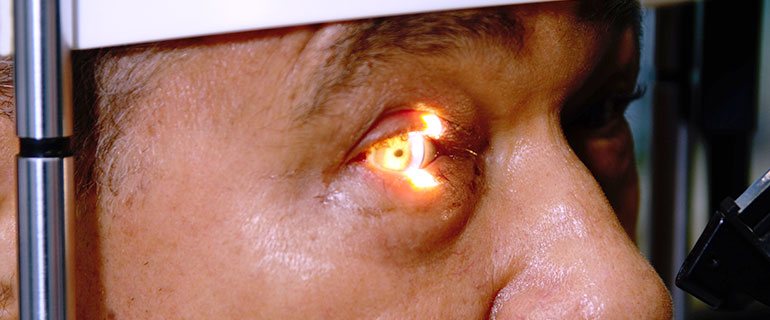
Diagnosis, monitoring, and surgery

Glaucoma

Glaucoma is the leading cause of irreversible blindness worldwide, yet it is completely manageable when it's caught early. If it runs in your family, you're over 40, or your eye doctor found high pressure, a specialized evaluation can protect your vision for decades.

Glaucoma treatment at Centro Láser, Santo Domingo

What you should know about glaucoma

Glaucoma is a group of diseases that progressively damage the optic nerve, usually linked to elevated eye pressure. It's known as the silent enemy because it causes no pain and no early symptoms: peripheral vision fades away gradually, and by the time a patient notices, the damage is already permanent.

Open-angle glaucoma accounts for 90% of cases. Other forms include angle-closure glaucoma (which needs immediate attention), normal-tension glaucoma (with normal pressure), and congenital glaucoma. The most vulnerable groups are people over 60, people of African descent over 40, and anyone with a family history of glaucoma.

At Centro Láser we have a department dedicated to glaucoma, with every diagnostic test under one roof: tonometry, pachymetry, Humphrey visual field testing, optic nerve OCT, gonioscopy, and for special cases, ultrasound biomicroscopy (UBM) and iCare Home monitoring (measure your eye pressure from home).

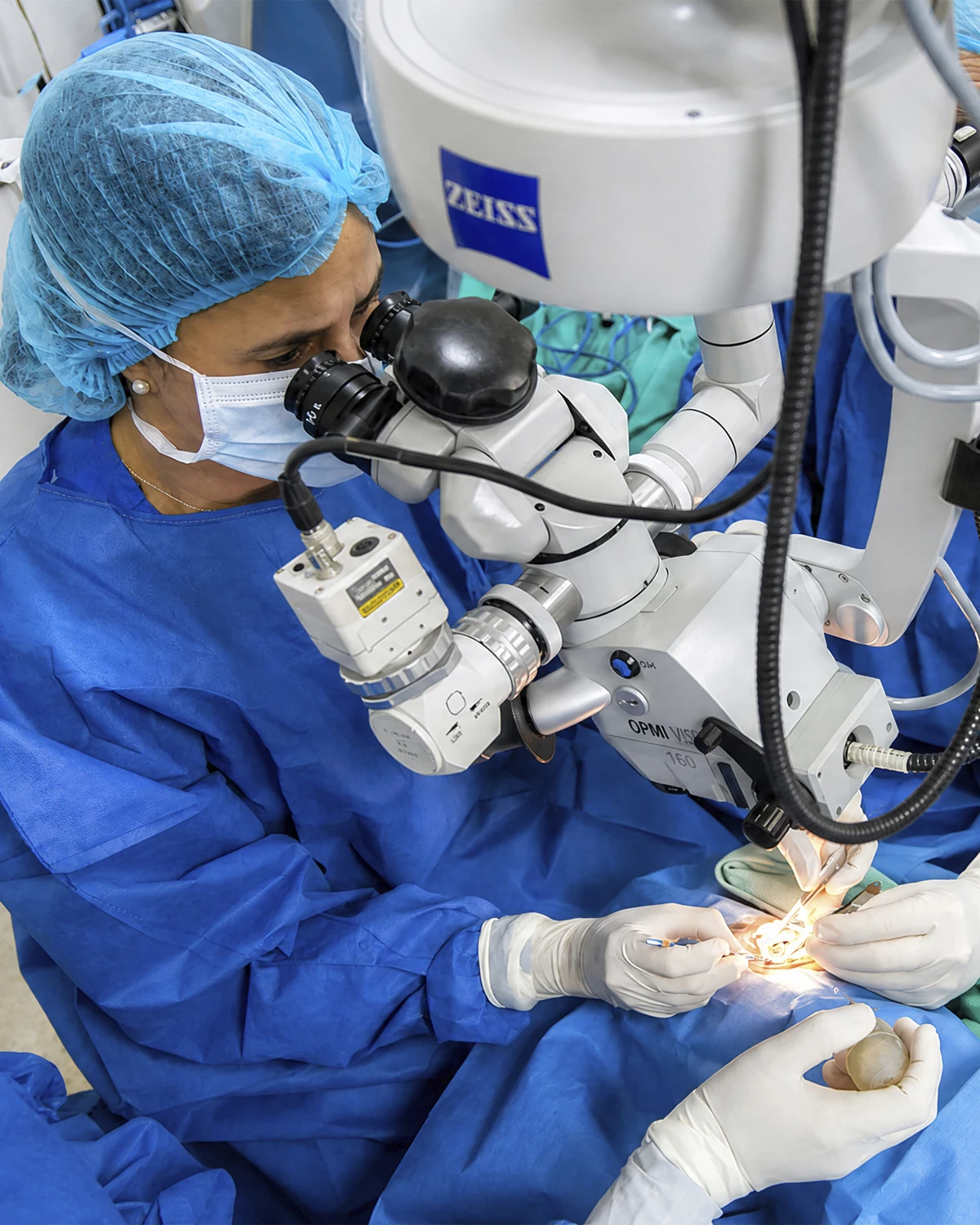
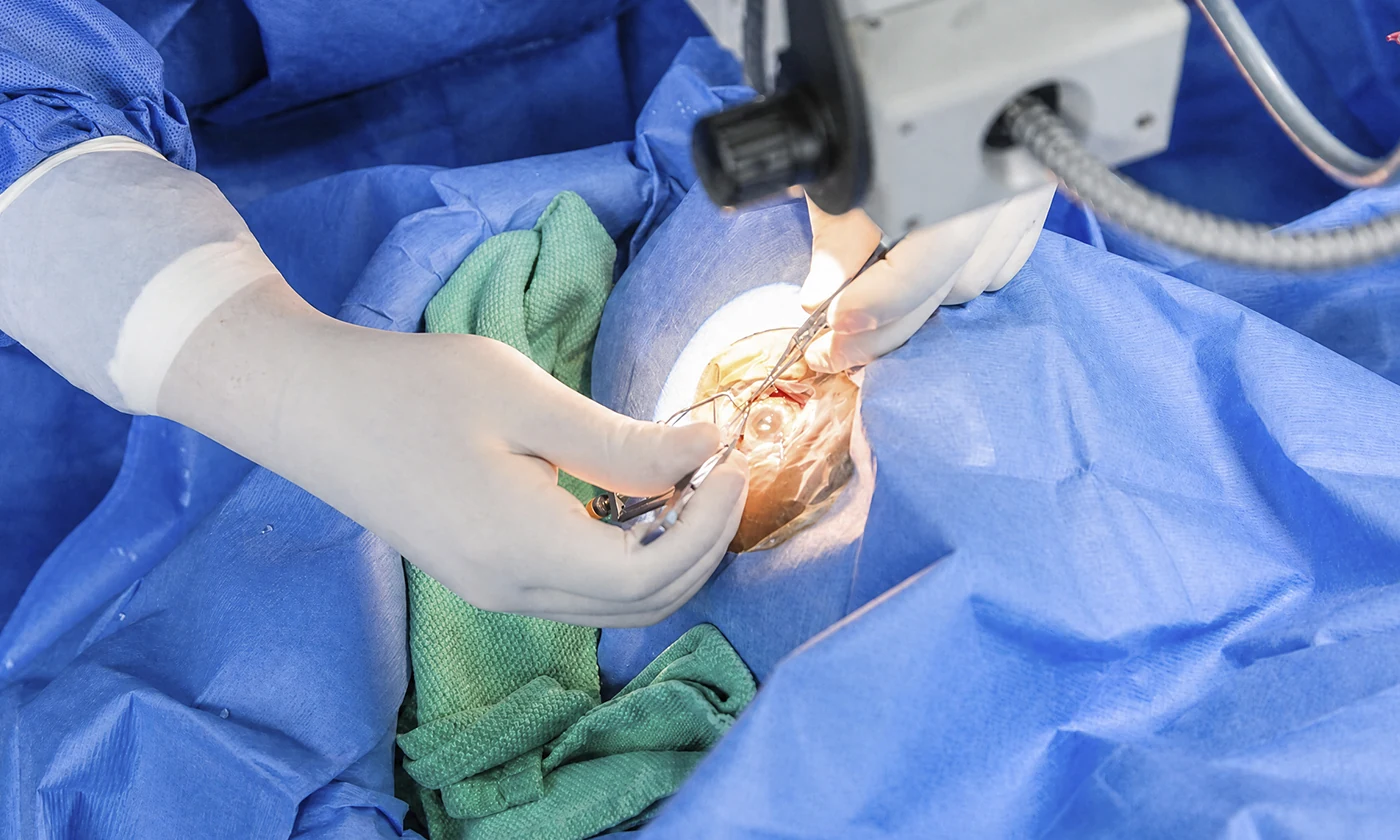
Treatment follows a step-by-step approach based on severity. We start with pressure-lowering eye drops; when those aren't enough, we move to laser procedures (SLT, YAG laser iridotomy); and for advanced cases we offer surgeries like trabeculectomy, drainage implants (Ahmed or Baerveldt valves), and minimally invasive glaucoma surgery (MIGS).
What we
address

Each condition has its own symptoms, diagnosis, and treatment. If you recognize your symptoms in one of them, we can help.

Open-Angle Glaucoma

Accounts for 90% of cases. Slow blockage of the eye's natural drainage system raises eye pressure silently, without pain or early symptoms. Peripheral vision loss is gradual, and by the time you notice it, it's already permanent.

  • Progressive loss of peripheral vision
  • Tunnel vision (in advanced stages)
  • You're over 40
  • Family history of glaucoma
  • Elevated eye pressure found during a routine exam

Angle-Closure Glaucoma

A less common but potentially urgent form. Sudden blockage of drainage raises eye pressure within hours. Left untreated, it can cause permanent vision loss in a day or two.

  • Sudden, severe eye pain
  • Intense headache
  • Blurry vision with rainbow halos around lights
  • Nausea and vomiting along with the pain
  • Pronounced eye redness

Normal-Tension Glaucoma

Progressive optic nerve damage with eye pressure that stays within the normal range. It takes specialized testing (optic nerve OCT, visual field testing) to catch. Treatment focuses on lowering pressure even further to slow the damage.

  • Visual field changes with no obvious symptoms
  • Normal eye pressure but a damaged optic nerve
  • History of low blood pressure or migraines
  • Family history of glaucoma
  • Age over 60

Congenital Glaucoma

Present from birth or appears in the first years of life. It's rare but hereditary. Early detection in infants and young children is critical to prevent permanent damage to a still-developing optic nerve.

  • Abnormally large eyes in the baby (buphthalmos)
  • Excessive sensitivity to light
  • Constant tearing with no obvious cause
  • Cloudy or hazy cornea
  • Family history of congenital glaucoma

This is how the world looks
with glaucoma

Slide the bar to compare. Glaucoma advances silently, taking peripheral vision first, which is why many people notice the damage only when it is irreversible.

When treatment
makes sense

You don't have to wait. Treatment is considered as soon as one or more of these signs appear.

  • You're 40 or older with a family history of glaucoma

  • Your eye doctor found elevated eye pressure during an exam

  • You've noticed loss of peripheral vision or a "narrowing visual field"

  • You have diabetes, high myopia, or a history of long-term steroid use

  • You've already been diagnosed with glaucoma and want specialized care

How we treat
this condition

Treatment follows a step-by-step approach based on severity, from pressure-lowering drops to surgery with drainage implants, tailored to each patient.

Glaucoma Surgery and Drainage Implants Advanced

Glaucoma Surgery and Drainage Implants

Surgery for advanced glaucoma or when drops and laser aren't enough. Trabeculectomy, drainage implants, and MIGS, chosen based on your case.

Duration
45 to 90 minutes per eye
Anesthesia
Local anesthesia plus sedation
Recovery
7 days
Explore the procedure
Selective Laser Trabeculoplasty (SLT) Outpatient

Selective Laser Trabeculoplasty (SLT)

A selective laser that improves drainage in the eye. Used as a first-line option or an alternative when eye drops alone aren't controlling your eye pressure.

Duration
10 minutes per eye
Anesthesia
Topical (anesthetic eye drops)
Recovery
1-2 days to resume activities
Explore the procedure
YAG Laser Iridotomy Preventive

YAG Laser Iridotomy

Creates a microscopic channel in the iris to relieve pressure. Used for angle-closure or narrow-angle glaucoma, often as prevention for at-risk patients.

Duration
5 to 10 minutes per eye
Anesthesia
Topical (anesthetic eye drops)
Recovery
1-2 days to resume activities
Explore the procedure

Your recovery,
step by step.

Visual recovery is quick. We're with you at every post-op check until you're discharged.

01 /03

After laser treatment

After an SLT or YAG laser iridotomy, you can resume normal activities the next day. Mild inflammation, if any, is controlled with drops.

24h
02 /03

Post-surgical follow-up

After trabeculectomy or a drainage implant, we follow you closely to confirm your pressure is coming down and healing is progressing normally.

Weeks 1-4
03 /03

Long-term care

Glaucoma is managed, not cured. Checkups every 3 to 6 months with visual field testing and OCT confirm the optic nerve isn't taking on further damage.

Ongoing management

Why choose us
for your care

Four concrete reasons to trust the health of your eyes to this team.

Dept.

A department dedicated to glaucoma

Fellowship-trained glaucoma specialists, not general ophthalmologists. Dedicated visits built around the long-term management of your case.

iCare ®

At-home monitoring

Approved iCare Home devices let you measure your eye pressure from home. Useful for catching spikes that a single office visit won't capture.

1

Complete diagnosis in one place

Tonometry, pachymetry, gonioscopy, optic nerve OCT, Humphrey visual field testing, and UBM. No referrals to outside centers.

6+

Treatment options available

Pressure-lowering eye drops, SLT, YAG laser iridotomy, MIGS, trabeculectomy, and drainage valves. We tailor treatment to each case.

The technology behind
every procedure

Every pre-surgical study in one place, without ever leaving the center.

OCT Optical coherence tomography of the retina and optic nerve to catch silent diseases
Humphrey Visual Field Measures your peripheral vision to detect glaucoma or neurological problems
iCare Home Lets you measure your eye pressure from home
Pachymetry Measures the thickness of your cornea to micrometer precision
Posterior Segment Photo Retinal photography: documents the condition of your retina
UBM Ultrasound biomicroscopy of the angle and ciliary body (Sonomed)

Specialized ophthalmologists
in glaucoma

Meet the team who will handle your evaluation, surgery, and follow-up.

How to book your visit

Four steps.
One visit.

We designed every step so you reach your treatment plan without unnecessary detours.

1 /04

Book your visit

By WhatsApp, form, or phone. Within 24 hours we confirm the day, time, and specialist at the location you prefer.

24 h
2 /04

Initial evaluation

A complete eye exam with your specialist. We talk through your history, symptoms, and what you want to achieve.

45 min
3 /04

Diagnostic testing

Whatever your case calls for, done inside the center and often during the same visit.

Same day
4 /04

Treatment plan

Your doctor walks you through options, costs, and next steps. You decide with clear information.

Next steps

We accept the country's
major health plans

Most plans cover surgery with standard options. Premium options may require a copay.

Learn more
about glaucoma

Patient guides reviewed by our specialists.

About
glaucoma

No, glaucoma can't be cured. Vision lost to glaucoma doesn't come back. With timely treatment, though, we can preserve the vision you still have and slow the progression of optic nerve damage. That's why early detection matters so much: the sooner it's diagnosed, the more vision you keep long-term.

Because in its most common form (open-angle glaucoma, 90% of cases) it causes no pain and no early symptoms. Vision loss starts in your peripheral field and progresses so gradually that most patients don't notice it. By the time clear symptoms show up, the damage to the optic nerve is already significant and permanent. That's why annual eye exams after age 40 matter so much, especially if glaucoma runs in your family.

At Centro Láser, we run the full evaluation in a single visit: tonometry (eye pressure measurement), pachymetry (corneal thickness, critical for interpreting your real pressure), gonioscopy (examination of the drainage angle), optic nerve OCT (structural analysis of the optic nerve), and Humphrey visual field testing (functional assessment of your field of vision). In special cases, we add UBM or iCare Home for at-home pressure monitoring.

Yes. Normal-tension glaucoma exists, where the optic nerve is progressively damaged even though eye pressure stays within the normal range. It's caught through structural (optic nerve OCT) and functional (visual field) testing. If your eye doctor found changes in your optic nerve without high pressure, you need a specialized glaucoma evaluation.

Treatment follows a step-by-step approach based on severity. We start with daily pressure-lowering eye drops, which control pressure in most patients. When those aren't enough, we move to outpatient laser procedures: SLT (selective laser trabeculoplasty, which improves your eye's natural drainage) or YAG laser iridotomy (for narrow or closed angles). For advanced cases, we offer surgery: trabeculectomy, drainage implants (Ahmed or Baerveldt valves), or MIGS (minimally invasive glaucoma surgery).

Laser procedures (SLT, YAG laser iridotomy) are outpatient, painless with topical anesthesia (drops), and let you resume normal activities the next day. Incisional surgeries (trabeculectomy, drainage valves) require local anesthesia plus sedation, with close follow-up in the first few weeks to confirm your pressure is coming down and healing is progressing well. Full functional recovery takes about 4 to 6 weeks.

Yes, family history is one of the main risk factors. If your parents, siblings, or children have glaucoma, your own risk is significantly higher. We recommend an annual eye exam starting at age 30 (earlier if you have a direct family history), including eye pressure measurement and an optic nerve check.

Because glaucoma is a chronic, progressive disease: optic nerve damage can keep advancing even with treatment if pressure isn't well controlled. Checkups every 3 to 6 months include periodic tonometry, visual field testing, and OCT to confirm your treatment is working. Catching progression early lets us adjust treatment before you lose more vision.

iCare Home is an approved portable tonometer that lets you measure your own eye pressure from home, at different times of day. It's useful because eye pressure fluctuates throughout the day, and a single office visit can miss spikes. In patients with normal-tension glaucoma or suspected fluctuations, this monitoring helps guide more precise treatment decisions.

Where to
find us

Centro Láser Naco

C/ Fantino Falco #3, Ensanche Naco, Santo Domingo
+1 809 563-1324
Mon-Fri 7:30am – 5:00pm | Sat 7:30am – 12:00pm

Centro Láser Megacentro

Av. San Vicente de Paúl 321, Megacentro, Santo Domingo Este
+1 809 563-1324
Mon-Fri 7:30am – 5:00pm | Sat 7:30am – 12:00pm

Legacy Eye Clinic

C. Ing. Juan Paradas Bonilla 11, Santo Domingo

Protect your vision from the silent enemy

An evaluation with a fellowship-trained glaucoma specialist. One hour of complete testing to confirm your diagnosis, stage, and treatment plan.