Glaucoma Treatment: Eye Drops, Laser, and Surgery Explained
How is glaucoma treated? Learn what eye drops, laser, and surgery can and can't do, and why starting early protects your vision the most.
If you or someone close to you was just diagnosed with glaucoma, the first question is almost always the same: can this be treated? The answer is yes, and that's genuinely good news. Glaucoma responds very well to treatment when it's caught early, and today there are several ways to manage it: eye drops, laser, and surgery.
Before going any further, there's one idea worth understanding, because it shapes everything else. Glaucoma is one of the leading causes of irreversible blindness worldwide, according to the World Health Organization, and vision that's already lost doesn't come back. That's why treatment isn't about restoring what's gone. It's about protecting what you still have, and at that job, it's very effective.
Let's walk through how each option works and what you can realistically expect from it.
Why Treat Glaucoma?
Glaucoma slowly damages the optic nerve, the cable that carries images from your eye to your brain. In most cases, that damage is tied to pressure inside the eye that's too high. The good news is that we know how to intervene.
Every glaucoma treatment shares the same goal: lower the pressure inside the eye, known as intraocular pressure, to slow damage to the nerve and delay vision loss. In fact, lowering eye pressure is currently the only approach with proven clinical effectiveness, according to the National Eye Institute. Eye drops, laser, and surgery are all working toward the same target: pressure that's lower and more stable.
If you want to understand more about what glaucoma actually is and why it's often called the "silent thief of sight," we cover that in our guide, What Is Glaucoma? Here, we're focusing specifically on treatment.
Eye Drops: The First Line of Treatment
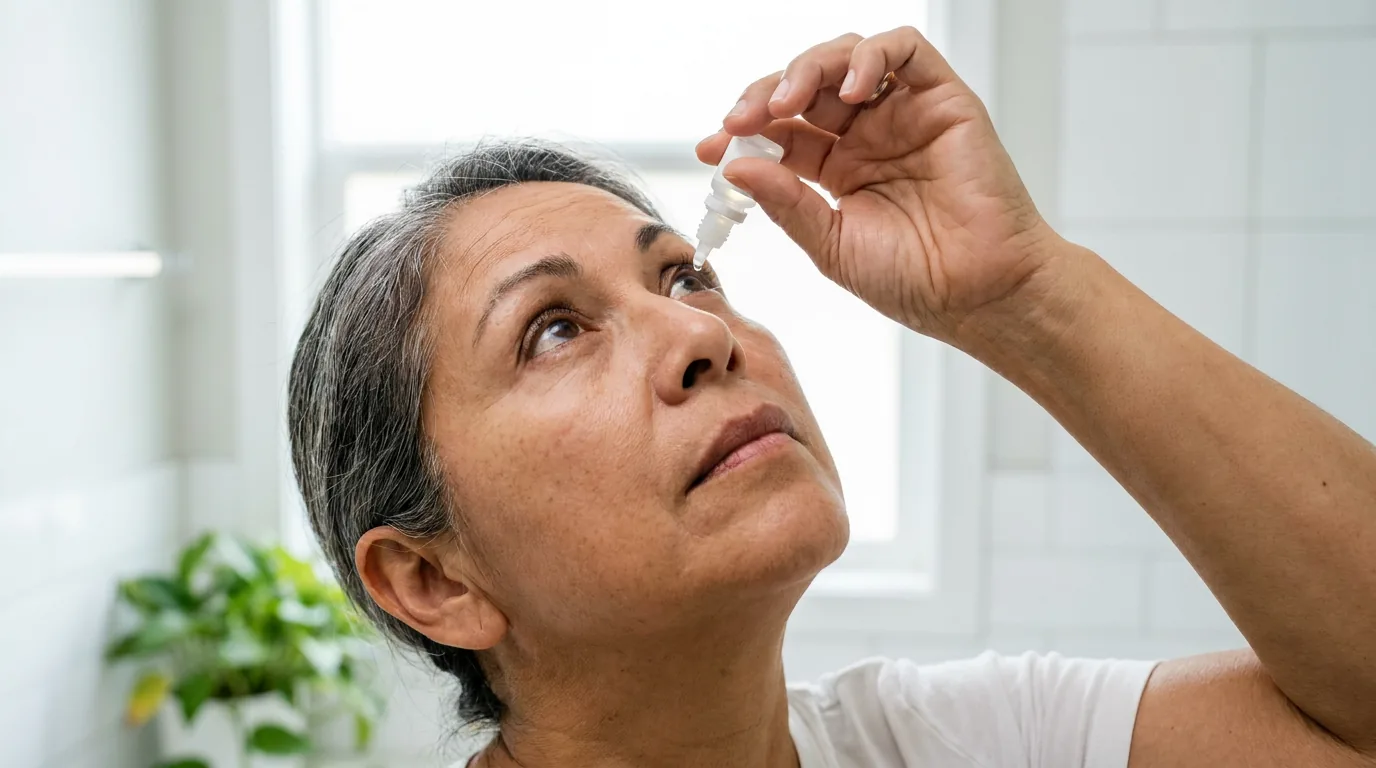
For most people, treatment starts with prescription eye drops. These medications lower eye pressure, either by helping the eye drain fluid more efficiently or by reducing how much fluid it produces in the first place. Drops are usually the first line of treatment, according to the American Academy of Ophthalmology, though they're not the only starting point. As you'll see below, laser treatment can be a first option too.
Here's the single most important point in this whole article, so it's worth saying plainly: eye drops only work if you use them every single day, exactly as your ophthalmologist prescribes, even when you feel completely fine. Glaucoma doesn't hurt and doesn't give warning signs, which makes it easy to forget a dose or stop altogether. But skipping drops leaves the optic nerve unprotected.
There are several types of glaucoma drops, and sometimes your doctor will combine more than one. If a particular drop causes side effects or doesn't lower pressure enough, other options are available. That's a decision to make together with your specialist, never on your own.
Laser Treatment: A Middle Ground
Between eye drops and surgery sits a genuinely valuable option: laser treatment. For the most common type of glaucoma, the standard laser procedure is selective laser trabeculoplasty, or SLT. It's done right in the office, takes just a few minutes, involves no incisions, and works by stimulating the eye's natural drainage tissue so fluid flows out more easily and pressure drops.
What's worth knowing is that laser isn't just a last resort before surgery. It can be used as a first option, even before eye drops, or alongside them. A large study published in The Lancet found that starting treatment with SLT achieves good pressure control in many patients. It doesn't always mean avoiding drops forever, but it's an excellent tool to have.
The effect of laser treatment can fade over the years, and when that happens, it's sometimes repeated or paired with other treatments. Your ophthalmologist can tell you whether you're a good candidate.
Surgery: When More Is Needed
When eye drops and laser aren't lowering pressure enough, or glaucoma keeps progressing despite treatment, surgery becomes the next step. That's not a failure of treatment. It's simply the right tool for certain cases, according to the American Academy of Ophthalmology.
There are several surgical techniques, and which one is used depends on the type and severity of glaucoma:
- Trabeculectomy: Creates a small new drainage pathway so fluid can exit the eye and pressure can drop. It's a classic, extensively studied procedure.
- Drainage implants or valves: A tiny device helps drain fluid from the eye. These are typically used in more complex cases.
- MIGS (minimally invasive glaucoma surgery): A newer group of less aggressive techniques, often performed alongside cataract surgery for mild to moderate glaucoma.
Surgery is working toward the same goal as everything else: lower pressure to protect the optic nerve. It won't restore vision that's already been lost, but it can be decisive in stopping further damage.
What's the Best Glaucoma Treatment?
The honest answer is that there's no single "best" treatment, only the best treatment for your specific case. The right choice depends on the type of glaucoma you have, how high your pressure is, how much damage has already occurred, and how your eye responds. That's why treatment is staged and highly personalized: your doctor starts with the simplest option and adjusts based on how you respond.
It's also a lifelong treatment. Glaucoma isn't cured, it's managed, and that means regular checkups to monitor pressure and the health of the optic nerve. Those checkups matter just as much as the treatment itself, because they let your doctor step in quickly if anything changes.
Consistency, more than any single tool, is what protects your vision over the long run.
What Treatment Can and Can't Do
It's worth being clear here so you know what to expect. Glaucoma treatment can stop vision loss or slow it down dramatically, and for the vast majority of people who stick with it, it preserves useful vision for life. That's a major achievement.
What treatment can't do is bring back vision that's already gone, or "cure" glaucoma once and for all. That's why early diagnosis and consistency matter so much: the sooner pressure is under control, the more vision is protected. With glaucoma, time is vision.
Treatment Works Best With Your Help
Even the best treatment in the world doesn't protect you if it isn't followed, and a few simple habits make a real difference. Taking your drops at the same time every day helps you remember them: a phone reminder or pairing the habit with something you already do daily, like brushing your teeth, works well. Showing up for every checkup, even when you feel fine, lets your specialist step in quickly if anything changes.
And since glaucoma tends to run in families, letting your close relatives know so they can get checked could save their vision too. Your ophthalmologist prescribes the treatment, but staying consistent with it is on you, and it counts for a lot in the outcome.
Frequently Asked Questions
Can glaucoma be cured? No, but it can be very well controlled. With the right treatment used consistently, most people keep useful vision for life. The key is never stopping treatment or skipping checkups.
Can eye drops restore vision I've already lost? No. Eye drops and other treatments protect the vision you still have by slowing the damage. Vision already lost to glaucoma doesn't come back, which is exactly why treating it early matters so much.
Is laser treatment better than eye drops? It depends on your case. SLT laser can be used as a first option or together with eye drops, and for some people it reduces how many drops they need. Your ophthalmologist can tell you what makes sense for your situation.
Is glaucoma surgery risky? Like any surgery, it carries some risk, but it's a well established procedure reserved for when it's truly needed. Your specialist will walk you through the benefits and risks for your case before you decide.
Do I have to be treated forever? Yes. Glaucoma is a chronic condition, so treatment and checkups continue for life. Thinking of it like managing blood pressure, something you stay on top of long term, can help you keep up with it.
How often do I need checkups? Your ophthalmologist sets the schedule based on your case, but regular follow up is an essential part of treatment. It allows adjustments in time if pressure rises or the optic nerve changes.
Does glaucoma run in families? Yes. Having a close relative with glaucoma raises your own risk of developing it. If glaucoma runs in your family, mention it to your ophthalmologist and encourage close relatives to get an eye exam, especially after age 40. Catching it early changes everything.
Early Treatment Makes All the Difference
Glaucoma is treatable, and treatable well. Eye drops, laser, and surgery are all tools that, used correctly and started early, protect your vision for life. What really makes the difference isn't just which one you use, but starting soon and staying consistent.
If you have glaucoma, or you're at risk of developing it, don't wait to notice symptoms. By the time they show up, the damage is already done. Schedule a glaucoma evaluation at Centro Láser in Santo Domingo, Dominican Republic, and let's protect your vision while there's still time.
This content is for informational and educational purposes only and is not a substitute for professional medical consultation, diagnosis, or treatment. Glaucoma treatment must be prescribed and supervised by an ophthalmologist. Never adjust or stop your eye drops on your own.