Low Vision Is Not Blindness: Rehabilitation Can Help
Low vision is not blindness: usable sight remains. Learn the causes and how vision rehabilitation restores independence in Santo Domingo.
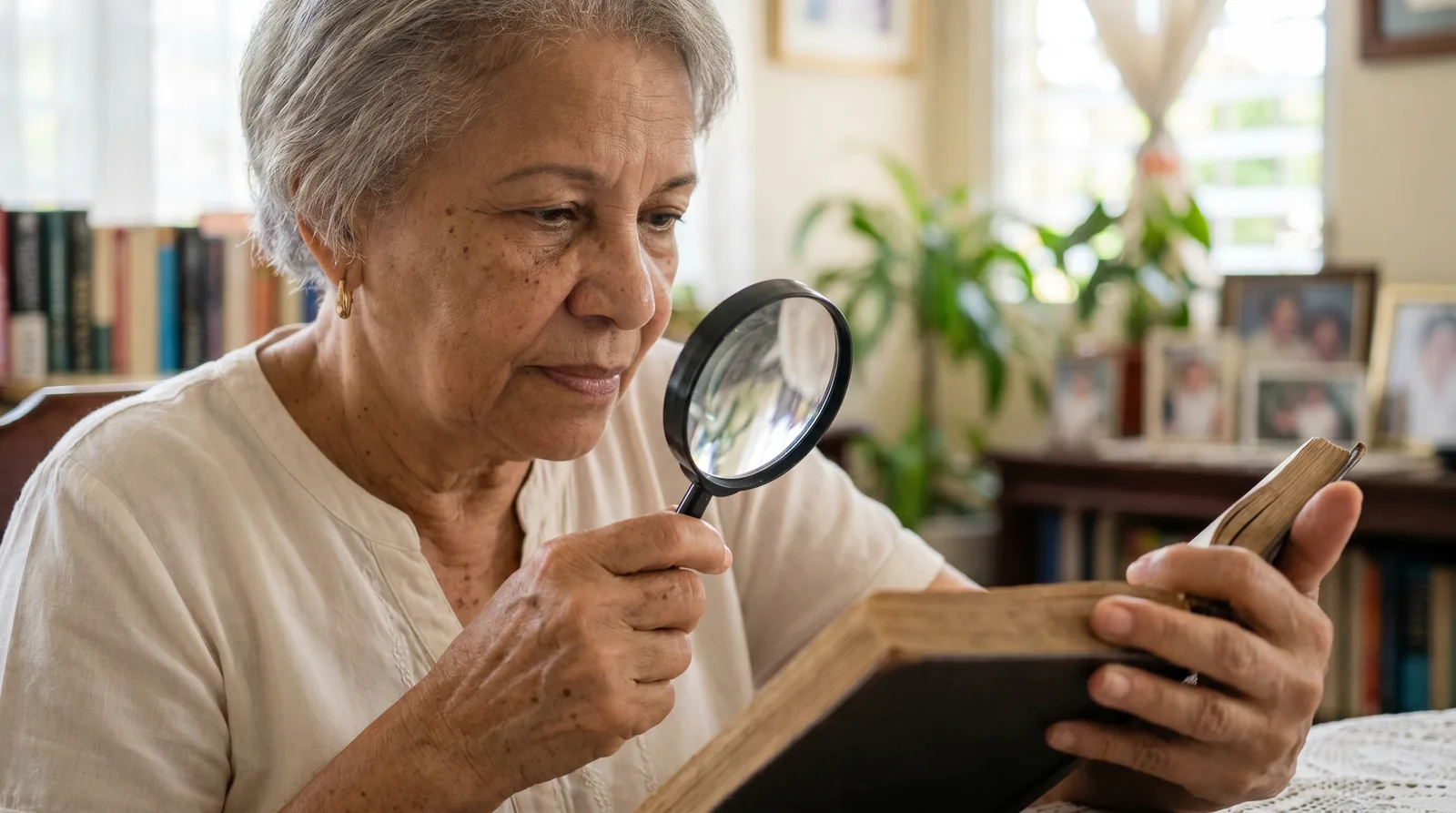
When people hear "low vision," they often think of blindness. The two aren't the same, and that difference changes everything. Low vision means a significant loss of sight that glasses, contact lenses, medication, or surgery can't fully correct, but usable vision remains. And that remaining vision can do a lot more than most people realize.
That's the point of this article: low vision isn't the end of the road. With vision rehabilitation and the right tools, someone with low vision can read again, recognize faces, get around safely, and regain much of their independence.
Here's what low vision actually is, what causes it, and what you can do to live well with it.
What Is Low Vision?
Low vision is a reduction in eyesight that persists even after treatment and the best possible correction with glasses. It's not the blurriness that new lenses can fix, and it's not a cataract waiting to be removed. It's a limitation that remains even after everything medically possible has been done, according to the Cleveland Clinic.
It can show up in different ways: blurry central vision that makes reading or recognizing faces difficult, loss of side vision that leads to bumping into things, poor night vision, or extreme sensitivity to glare. What these all have in common is that they affect everyday tasks, not just how sharp the letters look on an eye chart.
Understanding that distinction matters because it changes the question. With low vision, it's no longer just about how much you can see, but what you can do with what you see, and how to help you do more. This is also becoming more common: as the population ages, more people are living with some form of low vision.
Low Vision Is Not Blindness
This is the most important distinction, and the one that offers the most hope. Total blindness means no usable vision at all. Low vision, on the other hand, keeps some sight that can still be put to work, and that remaining vision is the raw material for everything rehabilitation can achieve.
Dr. Maritza Mínguez, the Centro Láser ophthalmologist who is fellowship-trained in low vision, having studied at Spain's National Organization for the Blind (ONCE) and at Lighthouse International, puts it simply: many patients arrive believing there's nothing left to do, and almost always, there is. The goal isn't to restore the eyesight that's gone. It's to teach patients how to get the absolute most out of what they have left.
That's why "there's nothing more we can do" is a phrase worth retiring. Even when the underlying eye disease has no cure, there's almost always something that can improve function and quality of life.
What Causes Low Vision?
Low vision rarely shows up on its own. It's usually the result of an eye disease that has progressed over time. According to the Cleveland Clinic, the most common causes include:
- Age-related macular degeneration, which damages central vision.
- Glaucoma, which gradually erodes side vision.
- Diabetic retinopathy, caused by diabetes-related damage to the retina.
- Advanced or untreated cataracts, along with lasting effects from other eye diseases or injuries.
Many of these conditions can be slowed down when caught early, which is one more reason regular eye exams matter. But once they've left lasting vision loss behind, low vision care becomes the next chapter, not to cure the disease, but to recover function.
Vision Rehabilitation: Making the Most of What Remains
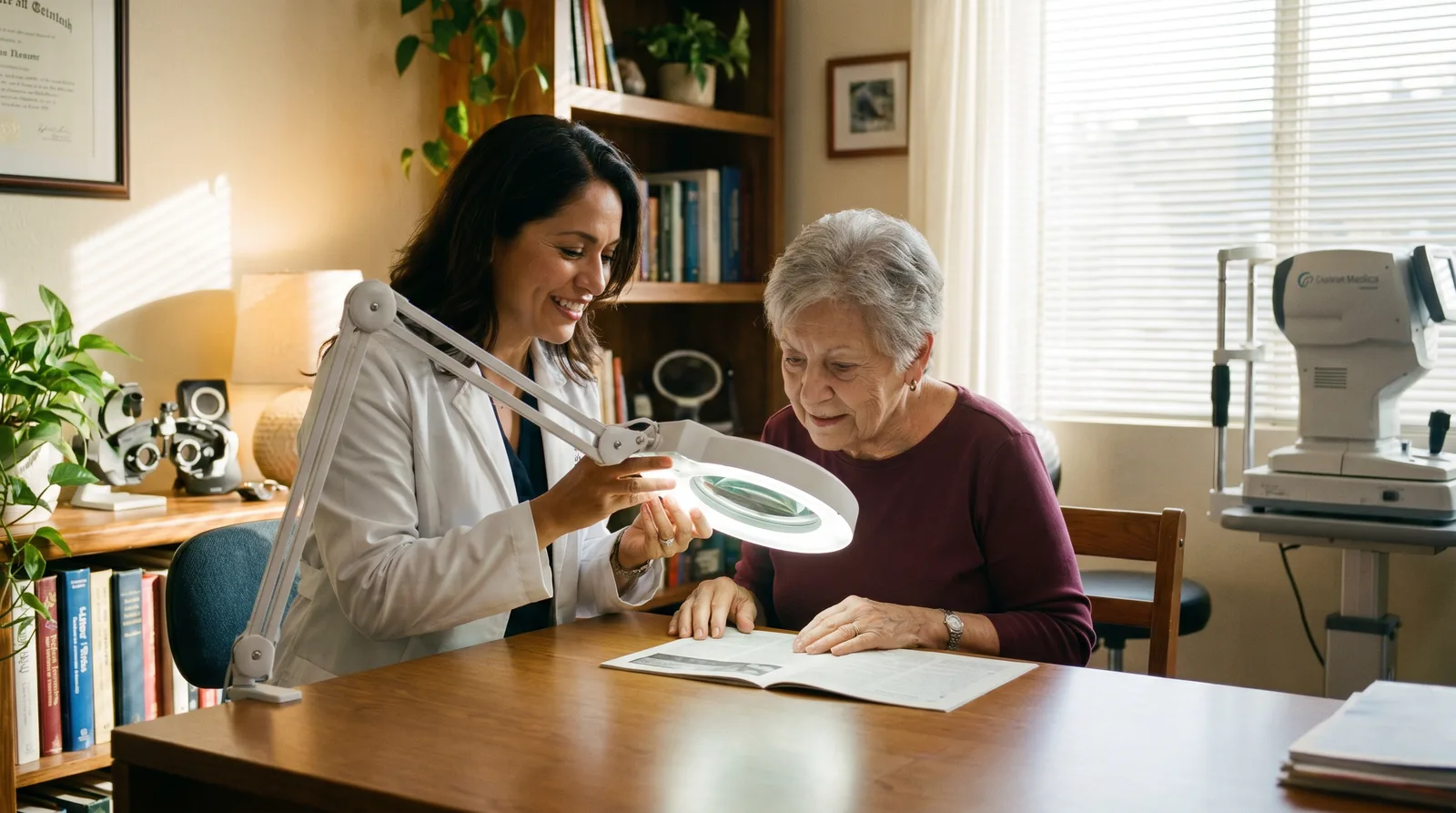
Here's the part most people don't know. Vision rehabilitation is a combination of tools and training designed to help someone use their remaining vision as effectively as possible, according to the American Academy of Ophthalmology. It doesn't bring back lost sight, but it squeezes every bit of value out of the vision that's still there.
There are more tools available than most people expect:
- Optical aids: magnifiers of different types, telescopes for distance vision, and special high-power reading lenses.
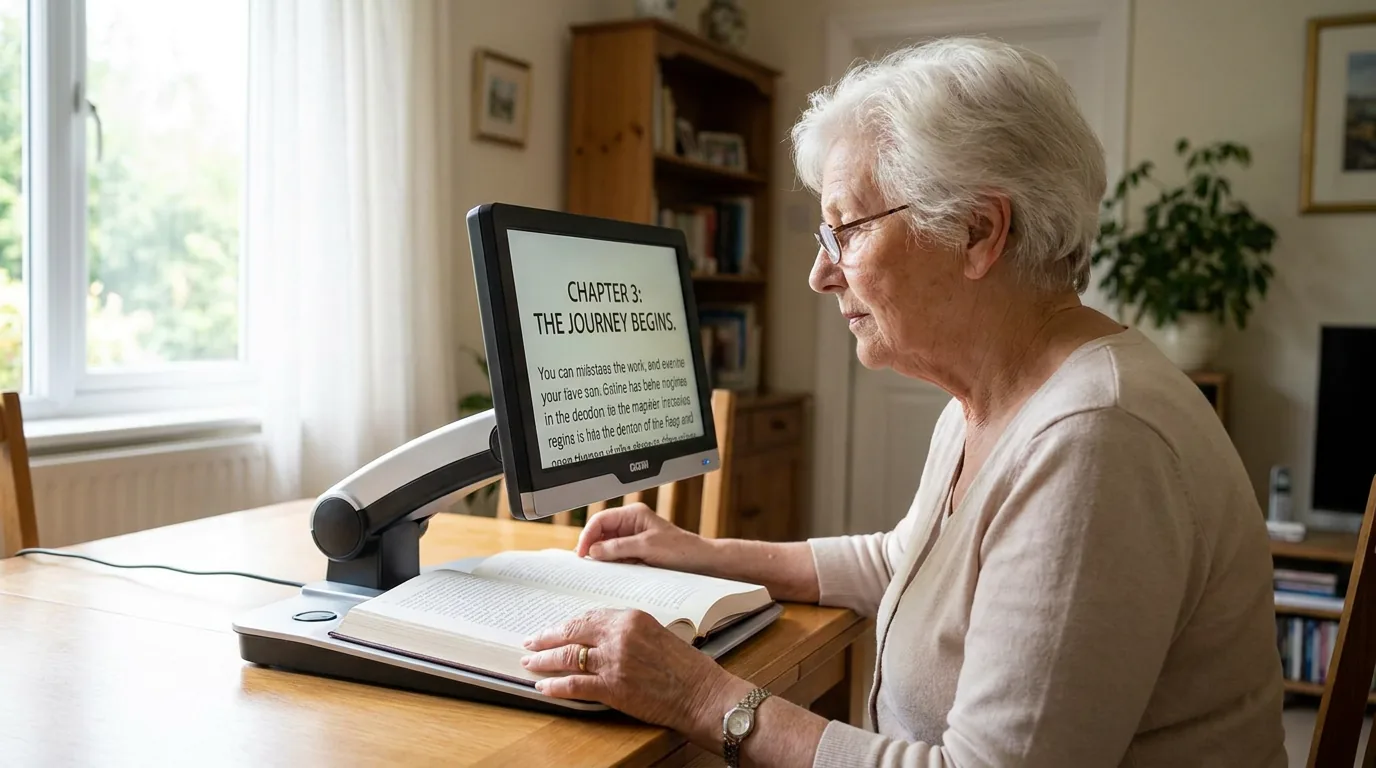
- Electronic aids: digital magnifiers, screen-based systems that enlarge images, and the accessibility features already built into phones and tablets.
- Training: learning to use eccentric viewing, improving lighting at home, organizing living spaces, and picking up techniques for reading, cooking, or getting around safely.
The key is that every solution is matched to the person and the task. A low vision assessment determines exactly what each patient needs, which is where personalized optical aids and a tailored vision rehabilitation plan come from.
What Changes in Daily Life
Low vision rehabilitation isn't a luxury or a nice-to-have. Available evidence links it to improvements in vision-related quality of life and greater independence in daily activities, though how much someone benefits depends on the individual and the type of intervention, according to the U.S. National Library of Medicine. In practice, that translates into very specific, everyday wins.
Reading a prescription label again. Recognizing a grandchild's face. Still being able to cook, handle money, use the phone, or move through the house without fear of falling. These are small tasks, but getting them back restores something bigger: a sense of independence and the ability to stay engaged in family and social life.
That emotional impact is part of the treatment. Regaining independence reduces the frustration and isolation that often come with vision loss, which is why rehabilitation treats the whole person, not just the eye.
When Should You Seek Low Vision Care?
The right time to seek low vision care is when vision loss starts getting in the way of daily life and glasses or treatment for the underlying eye disease no longer help. You don't have to wait until things get really bad. The earlier you start rehabilitation, the sooner you recover function. You don't need a complicated diagnosis to get started, either: if your vision is limiting your day-to-day life, that's reason enough for a low vision assessment.
It's worth booking a visit if any of this sounds familiar:
- Reading is difficult even with your current prescription.
- You have to get very close to things or need much brighter light for tasks that used to be easy.
- You've given up activities you used to enjoy, like reading, sewing, or cooking, because of your vision.
- You've been told "there's nothing more we can do" about your eye condition.
That last one, in particular, is almost always worth a second opinion focused on function. Even when the underlying disease can't be reversed, low vision itself can still be worked with.
Frequently Asked Questions
Can low vision be cured? Low vision itself can't be "cured," because it's what remains after an eye disease has run its course. What can be done is rehabilitation: making the most of the vision that's left to recover tasks and independence.
Will regular glasses help with low vision? Not fully. By definition, low vision is what persists even with the best possible glasses prescription. That's why specialized tools such as magnifiers, telescopes, and electronic devices are used instead of, or alongside, regular glasses.
Does rehabilitation restore lost vision? No, it doesn't bring back the vision that's gone, but it allows patients to make much better use of what remains. Many go back to reading or doing tasks they'd given up on, which makes a huge difference in daily life.
Who treats low vision? A fellowship-trained low vision ophthalmologist, working alongside a rehabilitation team. They evaluate remaining vision, recommend the right aids, and train patients to use them.
Does low vision only affect older adults? It's more common in older adults because many of its causes are age-related, but it can affect people of any age, including children and young adults with retinal or optic nerve conditions.
Does low vision get worse over time? It depends on what's causing it. Keeping the underlying condition, such as glaucoma or diabetes, well controlled helps slow progression, and rehabilitation plans are adjusted if vision changes. That's why regular follow-up is part of the plan.
The Vision You Have Left Is Worth a Lot
Low vision is scary because it gets confused with blindness, but the difference is enormous. Wherever some vision remains, there's a lot that can still be done. Rehabilitation doesn't work miracles. It does something better: it turns the vision you have into real independence.
If you or someone you love has vision loss that no longer improves with glasses or treatment, don't settle for "there's nothing more we can do." Schedule a low vision assessment at Centro Láser, and let's see what can be recovered.
Request your evaluation and we'll reach out to schedule your visit.
This content is for informational and educational purposes only. It is not a substitute for professional medical consultation, diagnosis, or treatment. If you have any concerns about your eye health, talk to your ophthalmologist.
Written by Centro Láser. Clinically reviewed by Dr. Maritza Mínguez, fellowship-trained low vision specialist.