Children's vision and strabismus

Pediatric Ophthalmology

If your child's eyes drift, they sit too close to screens, close one eye to see better, or struggle to read the board at school, it's time for an exam. Vision keeps developing until about age 7 or 8, so catching strabismus, amblyopia, or childhood myopia early can make a lifelong difference.

Pediatric ophthalmology and strabismus care at Centro Láser, Santo Domingo

What you should know about pediatric eye care

Pediatric ophthalmology cares for children's visual development and eye health, from the first months of life through the teenage years. It's not a scaled-down version of adult eye care: a child's vision is still maturing, and that one detail changes everything about how we approach it.

Timing is everything. Vision finishes maturing by around age 7 or 8. Until then, the brain is still learning how to see, and any obstacle (a misaligned eye, an uncorrected prescription, one eye that sees less than the other) can leave permanent vision loss if it isn't treated in time. After that age, recovering lost vision becomes much harder.

That's why early detection matters so much, especially because children rarely complain: whatever way they see is normal to them, since they have nothing to compare it to. It's usually parents and pediatricians who notice the warning signs (an eye that drifts, sitting too close to things, squinting, tilting the head), and screenings that catch what isn't visible to the naked eye.

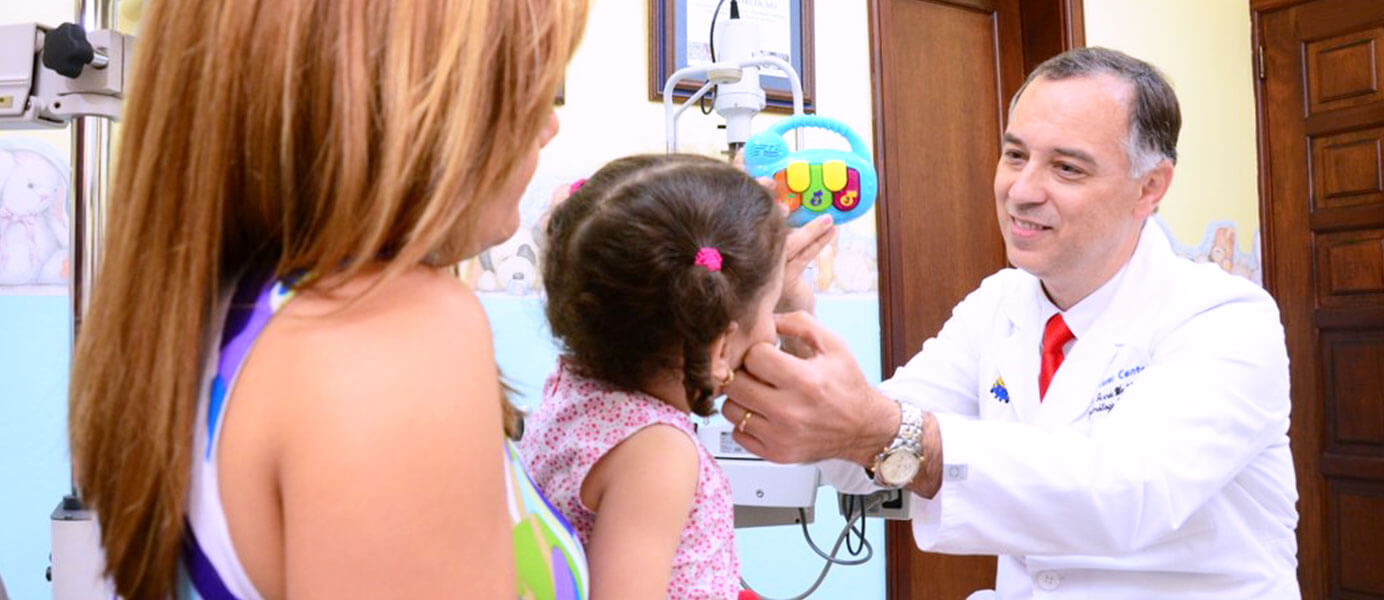
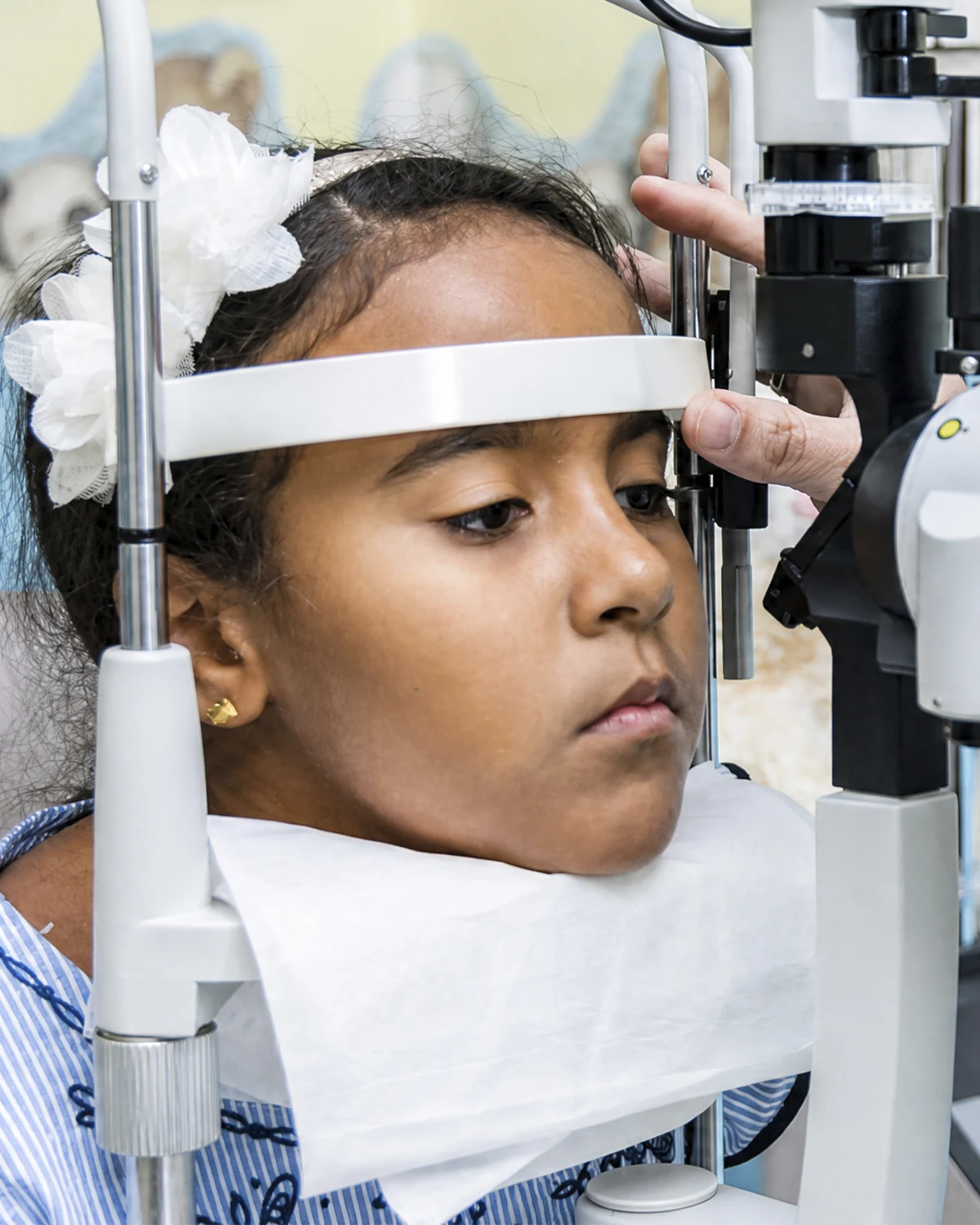
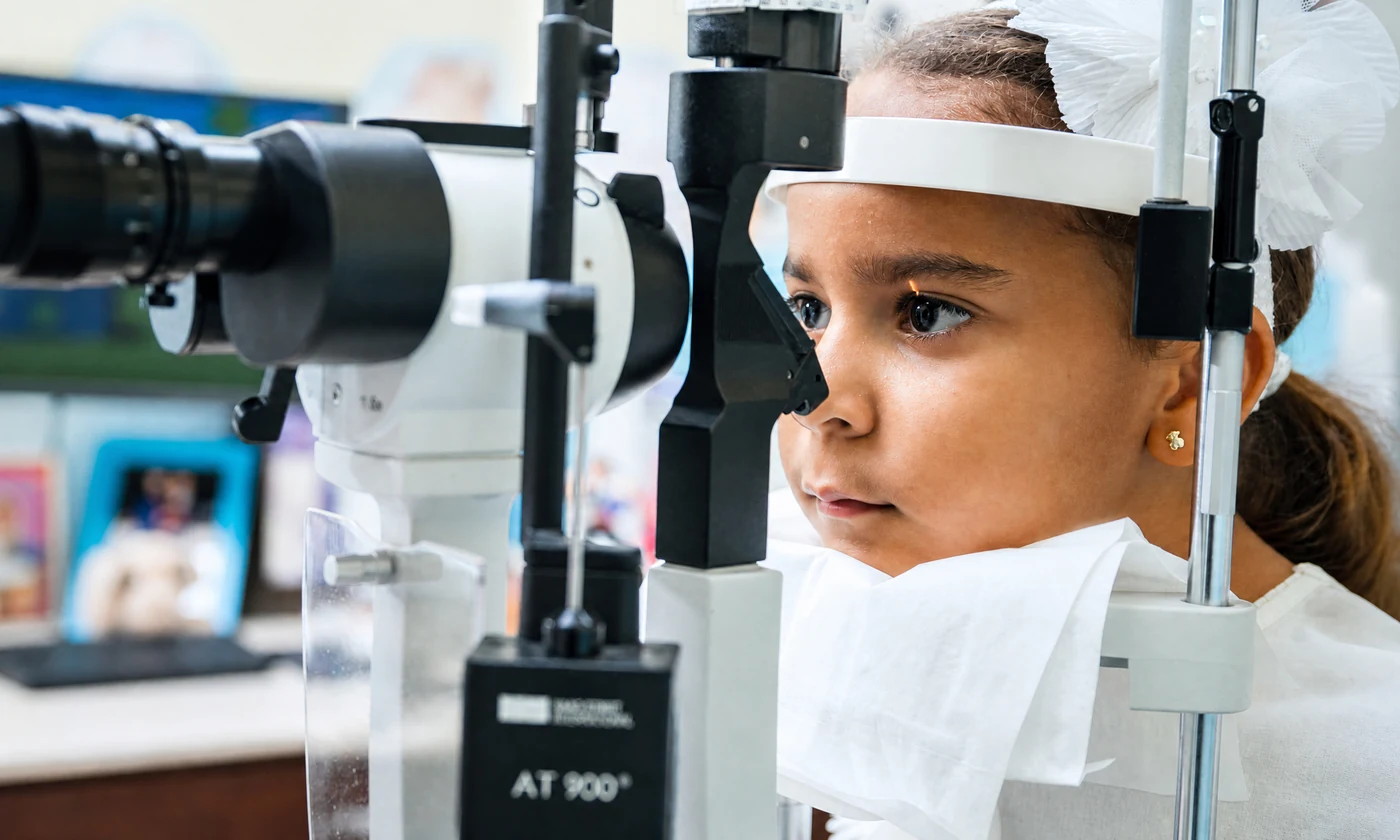
At Centro Láser, we care for children with a fellowship-trained team and a lot of patience. We treat strabismus, amblyopia (lazy eye), and childhood myopia control, and we perform a complete pediatric eye exam, including screening for retinopathy of prematurity.
What we
address

Each condition has its own symptoms, diagnosis, and treatment. If you recognize your symptoms in one of them, we can help.

Strabismus

The eyes don't point at the same spot at the same time: one drifts in, out, up, or down. It's not just cosmetic; left untreated, the brain can start to ignore the misaligned eye and develop amblyopia. It's corrected with glasses, eye exercises, and, when needed, surgery on the eye muscles.

  • One eye drifts, even occasionally
  • Tilts or turns their head to see
  • Squints or closes one eye, especially in bright light
  • Poor coordination or bumping into things
  • Onset after an illness or a bump to the head

Amblyopia (Lazy Eye)

One eye develops less vision than the other because the brain learns to ignore it, usually due to strabismus or a difference in prescription between the two eyes. It's the leading cause of preventable vision loss in childhood. Treated before age 7-8, it recovers well; after that, it's much harder.

  • One eye sees noticeably less than the other
  • Covers or closes one eye to focus
  • History of strabismus or a high prescription in one eye
  • Poor depth perception
  • Often shows no obvious symptoms; it's caught during a checkup

Childhood Myopia

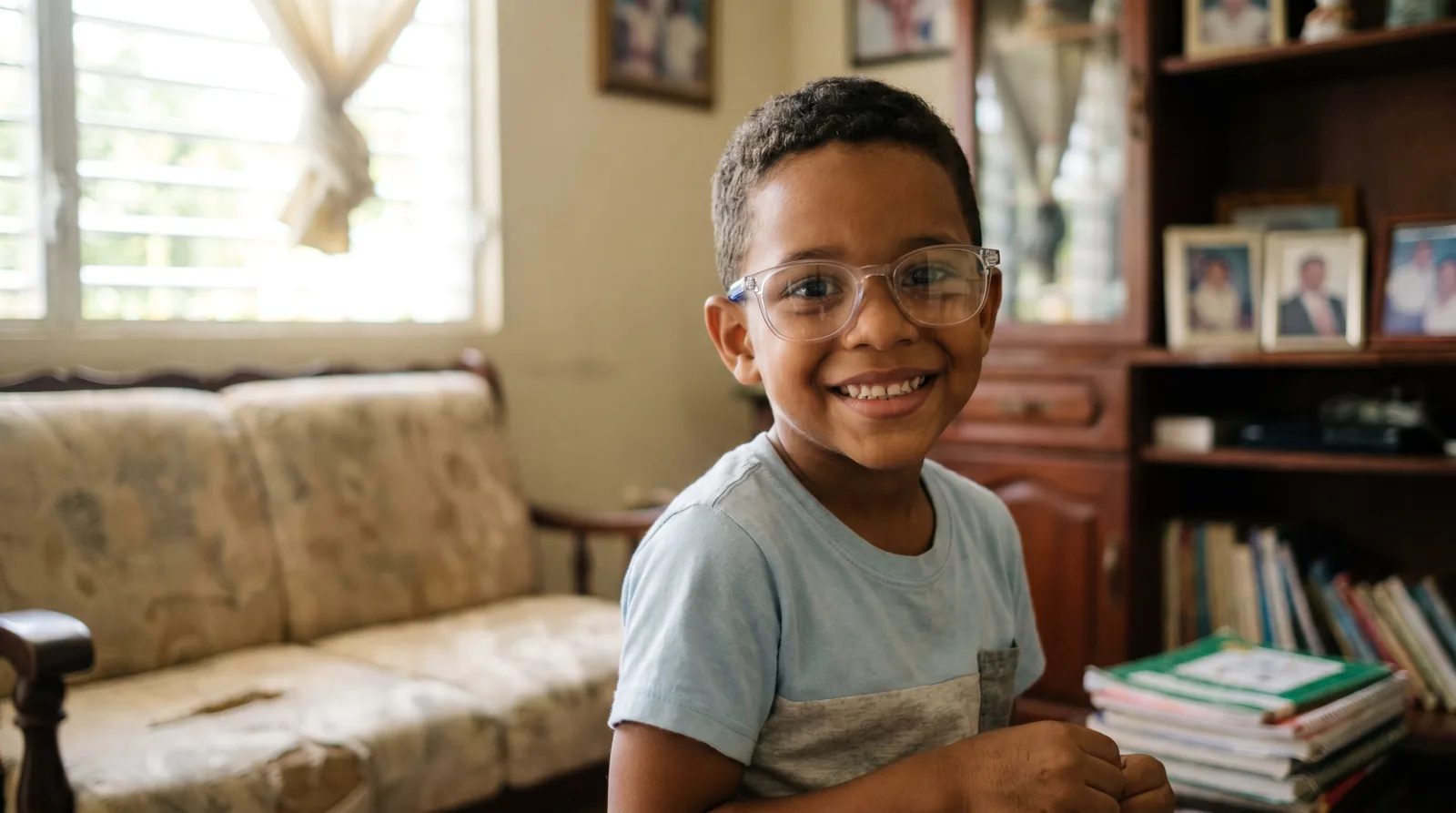
Nearsightedness that appears and progresses during childhood. It's a concern because the earlier it starts, the higher it can climb, and high myopia raises the risk of eye problems later in life. Today there are treatments to slow its progression, not just glasses to correct it.

  • Sits very close to screens, books, or the board
  • Squints to see things far away
  • Prescription climbs quickly at each checkup
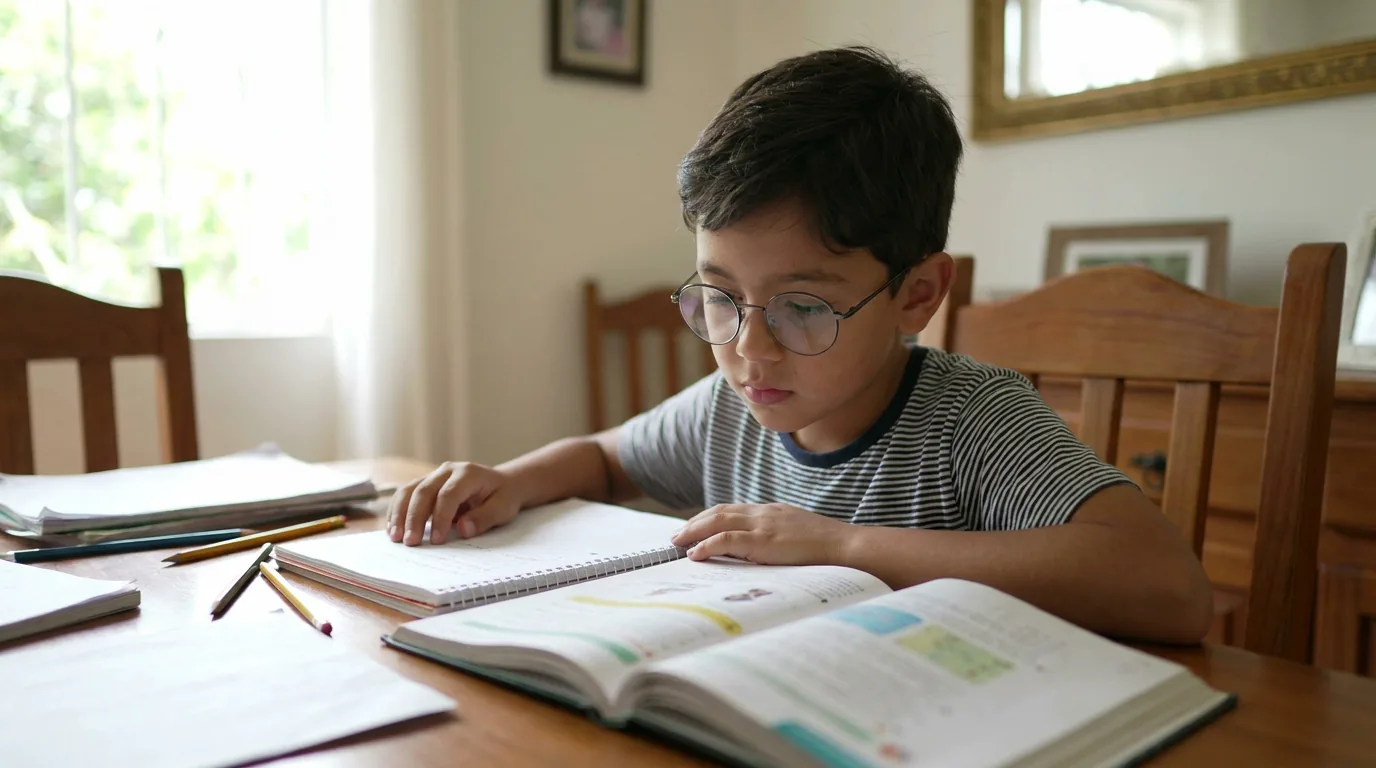
  • Headaches or eye strain while studying
  • Family history of myopia in the parents

Retinopathy of Prematurity (ROP)

Damage to the developing retina in premature babies, especially those born at very low birth weight. Without early detection and treatment, it can cause blindness. Screening in the first weeks of life is the only way to catch it, since it isn't visible to the naked eye.

  • Baby born premature or at low birth weight
  • History of supplemental oxygen as a newborn
  • Shows no visible signs; requires specialized screening
  • A whitish reflex in the pupil (in advanced cases)
  • Referral for a neonatology eye exam

When treatment
makes sense

You don't have to wait. Treatment is considered as soon as one or more of these signs appear.

  • Your child's eye turns or drifts, even occasionally

  • Sits very close to screens, books, or the TV

  • Squints, closes one eye, or tilts their head to see

  • Struggles to see the board at school or complains of headaches while studying

  • Was born premature, or there's a family history of childhood vision problems

How we treat
this condition

From newborn screening to strabismus surgery, we care for your child's vision at every stage of their development.

Amblyopia Treatment Before Age 8

Amblyopia Treatment

Restores vision in the lazy eye with a patch, drops, or glasses. Age is everything, it works best before 7-8 years old.

Duration
A months-long treatment with follow-up visits
Anesthesia
Not required
Recovery
1-2 days to resume activities
Explore the procedure
Myopia Control Slows Progression

Myopia Control

Slows your child's myopia progression with atropine drops, specialty lenses, or contact lenses. Lowers the risk of high myopia in adulthood.

Duration
Ongoing treatment with regular checkups
Anesthesia
Not required
Recovery
1-2 days to resume activities
Explore the procedure
Pediatric Eye Exam Early Detection

Pediatric Eye Exam

A complete vision exam tailored to your child's age. Catches early what a child can't put into words, including preemie retina screening.

Duration
30-45 minutes
Anesthesia
Not required
Recovery
1-2 days to resume activities
Explore the procedure
Strabismus Surgery Realigns the eyes

Strabismus Surgery

Adjusts the eye muscles to realign a wandering eye. Improves visual function and appearance in children and adults.

Duration
45-90 minutes
Anesthesia
General in children, local or general in adults
Recovery
7 days
Explore the procedure

Your recovery,
step by step.

Visual recovery is quick. We're with you at every post-op check until you're discharged.

01 /03

A stress-free exam

Pediatric eye exams are painless and tailored to your child's age. They may include dilating drops (cycloplegia) to measure your child's true prescription.

First visit
02 /03

Glasses, a patch, or drops

It depends on the case: glasses, a patch for the lazy eye, or drops to slow myopia. It takes consistency from the family, which is key to success.

Treatment
03 /03

Growing with your child

A child's vision changes as they grow. Regular checkups make sure treatment is working and adjust it to each stage of their development.

Follow-up

Why choose us
for your care

Four concrete reasons to trust the health of your eyes to this team.

7-8

A window that doesn't reopen

Vision finishes developing by age 7 or 8. Treating strabismus or lazy eye within that window can recover vision that would otherwise be lost for good.

ROP

Preemie screening

We examine the retinas of premature babies to catch retinopathy of prematurity early, a preventable cause of childhood blindness.

+

Patience with kids

Examining a child takes patience and skill. Our team is known for a gentle, reassuring approach that turns the visit into a calm experience.

1

The whole center behind them

If a child needs retina, cornea, or surgical care, every subspecialty at the center is available in one place, with nothing to chase down elsewhere.

Specialized ophthalmologists
in pediatric eye care

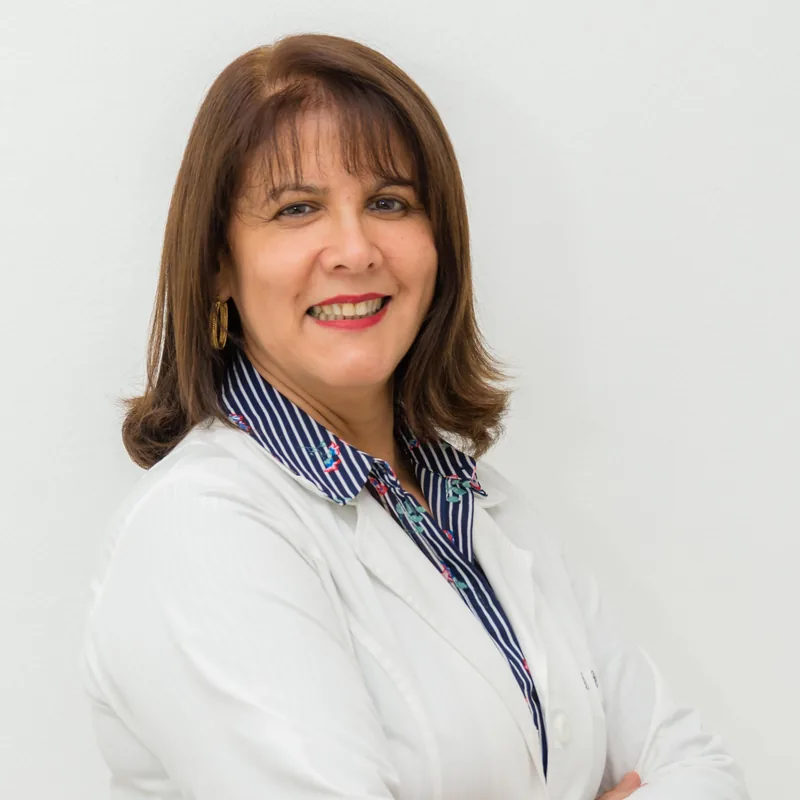
Meet the team who will handle your evaluation, surgery, and follow-up.

How to book your visit

Four steps.
One visit.

We designed every step so you reach your treatment plan without unnecessary detours.

1 /04

Book your visit

By WhatsApp, form, or phone. Within 24 hours we confirm the day, time, and specialist at the location you prefer.

24 h
2 /04

Initial evaluation

A complete eye exam with your specialist. We talk through your history, symptoms, and what you want to achieve.

45 min
3 /04

Diagnostic testing

Whatever your case calls for, done inside the center and often during the same visit.

Same day
4 /04

Treatment plan

Your doctor walks you through options, costs, and next steps. You decide with clear information.

Next steps

We accept the country's
major health plans

Most plans cover surgery with standard options. Premium options may require a copay.

Learn more
about pediatric eye care

Patient guides reviewed by our specialists.

About
pediatric eye care

Ideally, your child should have a first checkup in the first few months of life, another around age 3, and one more before starting school. If your baby was born premature, they'll need a retinal exam in the first weeks. And at any warning sign (an eye that drifts, sitting too close to things, squinting) you should see a doctor right away, without waiting. Early detection is key because vision keeps developing until about age 7 or 8.

Yes, and it's important. Children rarely complain because whatever way they see is the only way they know; to them, it's normal. They don't know the other eye sees better, or that things should look sharper. That's why many problems (like lazy eye) show no obvious symptoms and are only caught during a checkup. Waiting for a child to speak up can mean missing the treatment window.

Amblyopia, or lazy eye, is when one eye develops less vision because the brain learns to ignore it, usually due to strabismus or a difference in prescription between the two eyes. Yes, it can be treated, with a patch, drops, or glasses that force the weaker eye to work. Age is key: treated before age 7-8, vision recovers very well; after that age, it's much harder. That's why you shouldn't wait.

No. Strabismus (a misaligned eye) has an important functional side: left untreated, the brain can start to ignore the misaligned eye and develop amblyopia (lazy eye). It also affects depth perception. Never wait for it to 'go away on its own,' especially if the misalignment is constant or appears after the first few months. It's treated with glasses, sometimes a patch, and when needed, surgery on the eye muscles.

Strabismus surgery adjusts the muscles that move the eye to align the gaze. It's done on the surface of the eye, without entering the eye itself, and children are placed under general anesthesia. It's outpatient, and kids recover quickly. It doesn't always replace glasses or a patch; sometimes it's combined with them. The goal is to align the eyes to improve visual function, and appearance too.

Yes, to a good degree today. Myopia control treatments can slow its progression: low-concentration atropine drops, special peripheral-defocus lenses, and contact lenses designed for this purpose. They don't eliminate existing myopia, but they reduce how much it increases over the years. This matters because high myopia raises the risk of eye problems in adulthood. The earlier you start, the better.

Dilating drops (cycloplegia) are very important in children. They relax the eye's focusing muscle, which in kids is strong enough to 'hide' the true prescription. Without these drops, the measurement wouldn't be accurate. They also let us examine the back of the eye and the retina. They cause blurry near vision and light sensitivity for a few hours, which wears off on its own. It's a key step for an accurate diagnosis.

Yes, it's essential. Premature babies, especially those with low birth weight, are at risk for retinopathy of prematurity (ROP), damage to the developing retina that can cause blindness if it isn't caught and treated in time. Screening happens in the first weeks of life and doesn't hurt. It's the only way to detect ROP, since it isn't visible to the naked eye. Catching it early means it can be treated, protecting your baby's vision.

With technique, play, and a lot of patience. Pediatric exams are designed so your child doesn't need to read letters or answer questions; there are objective methods to measure prescription, eye alignment, and eye health even in babies. Our team is known for its patience with kids, which turns the visit into a calm experience. A relaxed child is easier to examine, and that's why we care so much about that approach.

Where to
find us

Centro Láser Naco

C/ Fantino Falco #3, Ensanche Naco, Santo Domingo
+1 809 563-1324
Mon-Fri 7:30am – 5:00pm | Sat 7:30am – 12:00pm

Centro Láser Megacentro

Av. San Vicente de Paúl 321, Megacentro, Santo Domingo Este
+1 809 563-1324
Mon-Fri 7:30am – 5:00pm | Sat 7:30am – 12:00pm

Legacy Eye Clinic

C. Ing. Juan Paradas Bonilla 11, Santo Domingo

Your child's vision is worth protecting early

An evaluation with our pediatric ophthalmology team. Catching strabismus, lazy eye, or myopia early makes a lifelong difference.