Myopia Control in Children: How to Slow the Progression
Your child's myopia doesn't have to keep getting worse. Learn about atropine drops, special lenses, ortho-k, and outdoor time to slow the progression.
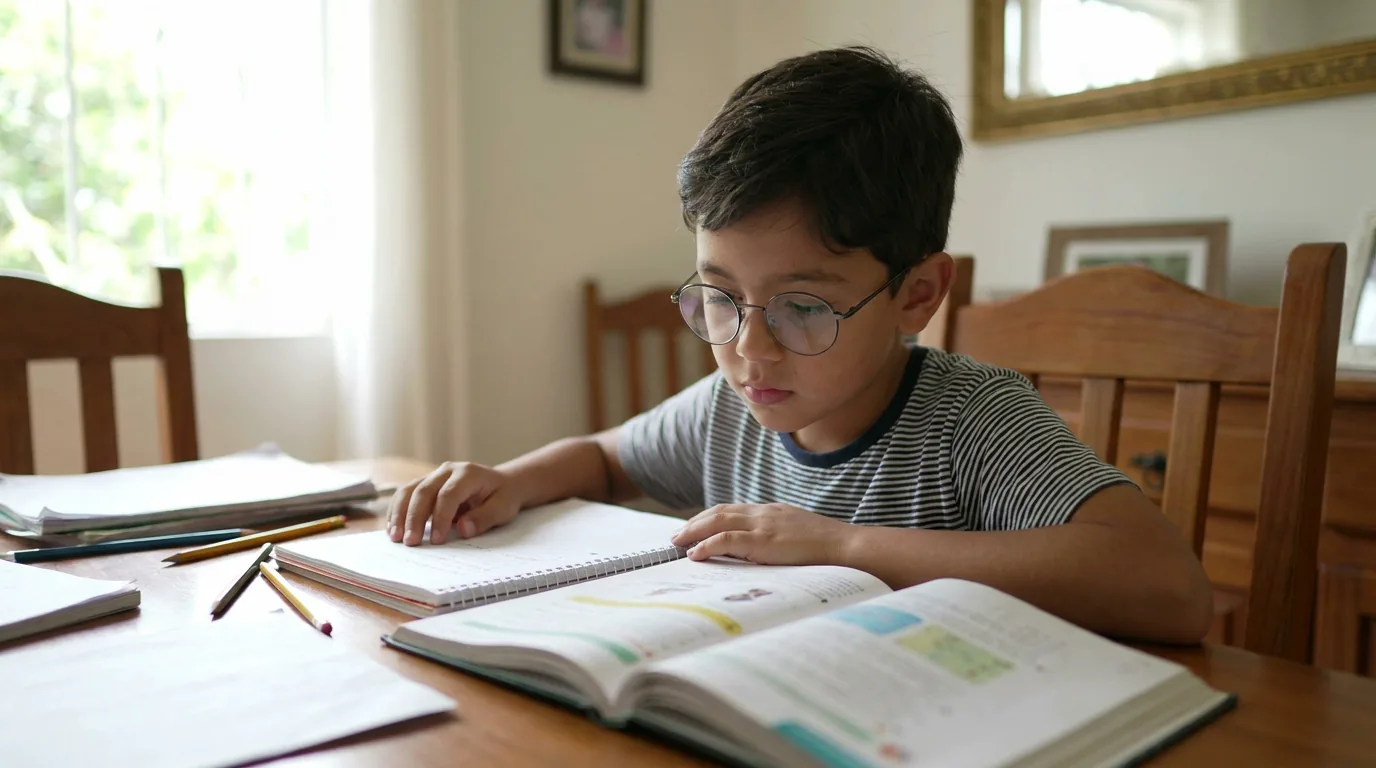
If your child needs a new eyeglass prescription almost every year, and each one is stronger than the last, that's not bad luck or your imagination. It's myopia progressing. It might sound like something you just have to live with, but there's good news most parents have never heard: childhood myopia can be slowed down. Not cured, not eliminated, but slowed, and that makes a real difference for a child's future vision.
Here's why that matters. Myopia in children is on the rise worldwide, and it's not just about wearing glasses. When myopia becomes severe, it raises the risk of serious eye problems later in life, according to the American Academy of Ophthalmology (AAO). That's why controlling it early is an investment in your child's long-term eye health, not just their eyesight today.
Let's look at what myopia control actually is, why myopia progresses, and most importantly, what you can do about it.
Why Does Myopia Get Worse Every Year?
In simple terms, myopia happens when the eye grows a little more than it should and becomes too long. That extra length causes images to focus just in front of the retina instead of directly on it, which is what makes distant objects look blurry. Because the eye keeps growing throughout childhood and the teenage years, myopia tends to progress during that same window, according to the AAO.
That explains a pattern so many parents recognize: your child sees well with a new pair of glasses for a few months, then starts sitting closer to the screen again, squinting, or complaining that they can't see the board. Each eye exam brings a slightly stronger prescription.
The important question isn't just "What's my child's prescription?" It's "How fast is it changing?" That's where myopia control comes in.
What Is Myopia Control?
Let's be clear about this so we don't set the wrong expectations. Myopia control doesn't cure myopia or make it go away. What it does is slow down how much it increases each year, according to the American Academy of Ophthalmology. Your child will still need vision correction, but the goal is for them to finish growing with a much lower prescription than they would have had without treatment.
Why does that difference matter so much? Because every diopter counts. Moderate myopia and high myopia aren't the same when it comes to long-term eye health. Slowing the progression today lowers the risk of complications down the road.
At its core, this is a shift in mindset: moving from simply correcting your child's vision to actively protecting an eye that's still growing.
Treatments Backed by Evidence
The good news is there are several proven tools to slow the progression, and your child's ophthalmologist will choose the best fit for their specific case, according to the AAO:
- Low-dose atropine drops: one drop at night that's been shown to slow myopia progression in many children. It's one of the most studied strategies available today.
- Specially designed eyeglasses: lenses built with technology aimed at slowing progression, a comfortable option since your child keeps wearing regular glasses.
- Orthokeratology (Ortho-K): rigid contact lenses worn overnight that gently reshape the cornea. Your child sees clearly during the day without glasses, and the lenses also help slow the progression.
- Special soft contact lenses: designed for myopia control in children who are already old enough to wear regular contacts.
Not every option works the same way for every child. The right choice depends on age, lifestyle, and how fast the myopia is progressing. What matters most is that real options exist today, and the earlier treatment starts, the more you can take advantage of the eye's growth window.
Outdoor Time: The Free Ally
There's one strategy that costs nothing and has science behind it: time spent outdoors. Spending more hours outside is linked to a lower risk of children developing myopia in the first place, according to the AAO.
It doesn't have to be intense exercise, just time under natural light. That's why, alongside any treatment, it's worth encouraging your child to play outside and give their eyes a break from screens. One helpful habit is the 20-20-20 rule: every 20 minutes of screen time, look at something about 20 feet away for 20 seconds.
The strongest evidence for outdoor time is in preventing myopia from developing in the first place. Once myopia is already present, time outdoors is a healthy habit that supports treatment, but it doesn't replace myopia control. Either way, it protects a lot more than just your child's eyesight.
Are Screens to Blame?
It's the question on every parent's mind, and the honest answer is: partly, but screens aren't the only culprit. Prolonged close-up work, which includes screens, books, and tablets, is linked to myopia. But the strongest evidence points somewhere else: not enough time outdoors matters more than screens on their own.
That's why the best approach isn't just taking devices away. It's about balance: fewer hours of continuous close-up work, more natural light, and frequent breaks. Banning screens without adding outdoor time only gets you halfway there.
Why Is It Worth Slowing Down Myopia?
This is really the heart of the matter, and the reason myopia control is worth taking seriously instead of treating it as optional. High myopia isn't simply about needing thicker lenses. When the eye stretches too much, it raises the long-term risk of serious eye conditions such as retinal detachment, macular damage, and glaucoma, according to the AAO.
That's why every diopter avoided in childhood is protection for adulthood. Slowing a child's myopia today isn't about comfort or appearance. It's about protecting their eye health for decades to come.
Seen this way, myopia control is one of the most valuable decisions a parent can make for their child's vision.
When Should You Take Your Child to an Ophthalmologist?
You shouldn't wait for your child to complain. Many kids don't realize their vision is blurry, because they've never known anything different. That's why regular eye exams matter so much, especially if myopia runs in the family, which is a major risk factor.
If you notice your child sitting too close to the TV or their notebook, squinting, complaining that they can't see the board, or needing a stronger prescription every time you check, it's time for an evaluation. For more warning signs to watch for, see our guide on vision problems in children.
An evaluation at the right time does more than correct your child's vision. It helps determine whether it makes sense to start a myopia control plan.
Frequently Asked Questions
Does myopia control cure myopia? No. It doesn't eliminate myopia or mean your child won't need glasses, but it does slow how much the prescription increases each year. The goal is for your child to finish growing with a much lower prescription than they would have had without treatment.
At what age should myopia control start? The earlier, the better, since the eye keeps growing throughout childhood and adolescence. Your ophthalmologist will evaluate each case individually, but treatment is generally considered when myopia shows up early or is progressing quickly.
Are atropine drops safe for children? At the low concentrations used for myopia control, atropine drops are a well studied option, and they're prescribed and monitored by an ophthalmologist. Like any treatment, it's evaluated on a case-by-case basis.
Is orthokeratology safe? These are contact lenses worn overnight, and like any contact lens, they require careful hygiene and follow-up care. When properly prescribed and monitored, Ortho-K is a valid option for myopia control.
Does limiting screen time actually help? It helps as a healthy habit, along with spending more time outdoors and giving your child's eyes regular breaks. It doesn't replace myopia control once treatment is needed, but it adds to overall eye protection.
If I'm nearsighted, will my child be too? A family history raises the risk, but it's not a guarantee. That's exactly why it makes sense to keep an eye on your child's vision from an early age and act quickly if myopia does appear.
How much outdoor time is recommended? There's no exact formula, but studies link more hours outside with a lower risk of myopia developing. Making it a daily habit, combined with regular screen breaks, is what makes the real difference. Your ophthalmologist can give you guidance based on your child's age.
Slow It Down Today, Protect Their Vision Tomorrow
Childhood myopia is no longer something you can only manage with a stronger prescription every year. Today it can be slowed down, and doing so protects your child's eye health for life. Atropine drops, specially designed lenses, Ortho-K, and more time outdoors are real tools, and the best time to use them is while the eye is still growing.
If your child is nearsighted or their prescription keeps climbing every year, don't wait. Schedule a pediatric ophthalmology evaluation at Centro Láser, and let's build a plan together to slow the progression.
This content is for informational and educational purposes only and is not a substitute for professional medical consultation, diagnosis, or treatment. Myopia control must be prescribed and supervised by an ophthalmologist. Do not start any treatment on your own.