Blepharoplasty: Functional or Cosmetic Eyelid Surgery?
Blepharoplasty isn't always cosmetic. When a droopy eyelid blocks your vision, it's functional. Learn what it involves, who qualifies, and recovery time.
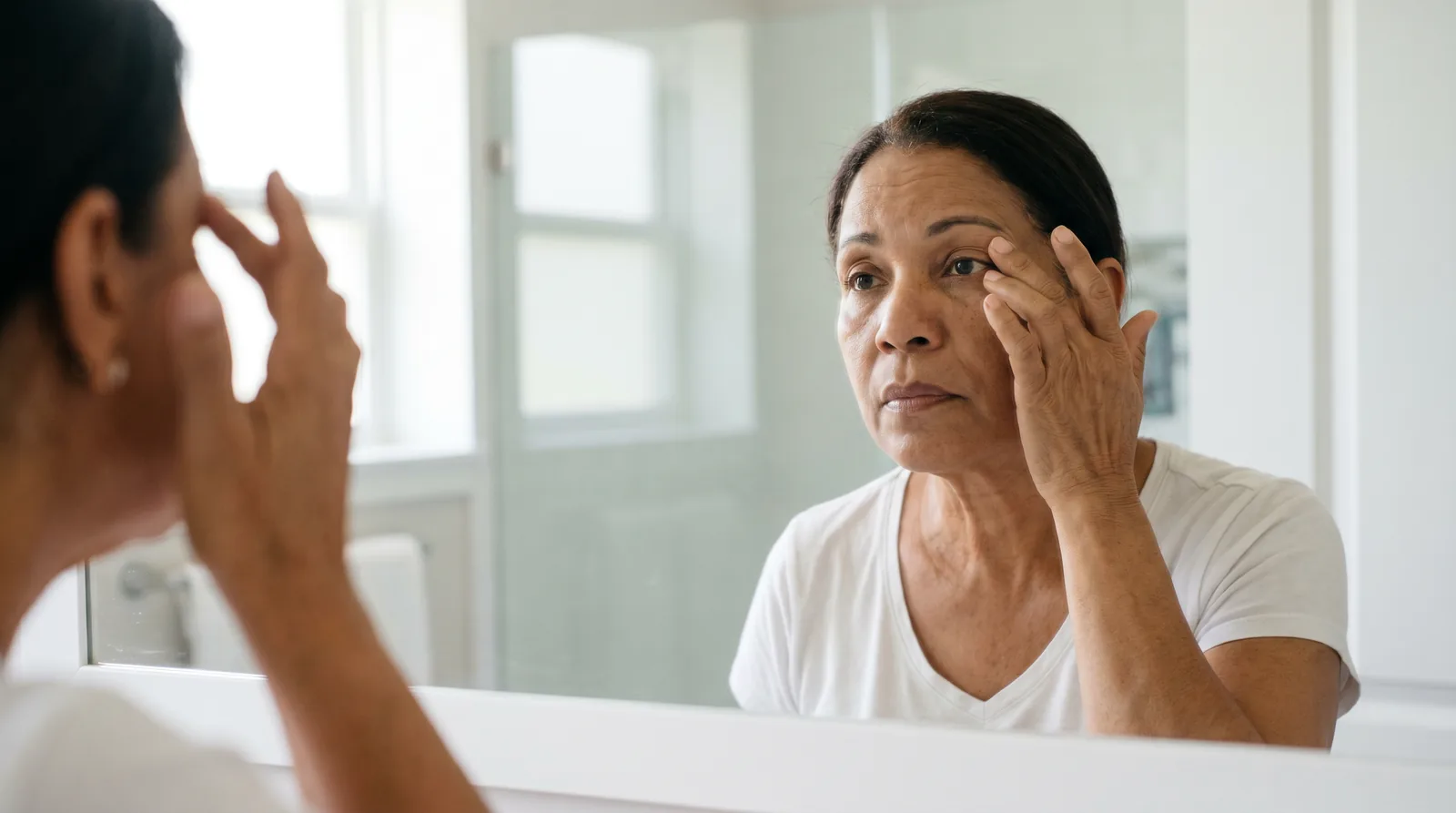
When your eyelids start to feel heavy, droop, or puff up with bags, it's easy to assume the fix is purely cosmetic. But blepharoplasty, the surgery that corrects the eyelids, isn't always about how you look. Sometimes there's enough extra skin that it actually blocks part of your vision, and at that point the surgery stops being cosmetic and becomes functional.
That's the first thing to understand: blepharoplasty can be performed for cosmetic reasons, functional reasons, or both, according to the U.S. National Library of Medicine. So before you think about the result you want, the most important step is a proper evaluation that identifies exactly what's going on with your eyelids and which solution actually fits your case.
This article walks through what blepharoplasty is, when it's cosmetic versus functional, who's a good candidate, and why it matters to have an ophthalmologist evaluate you first.
What Is Blepharoplasty?
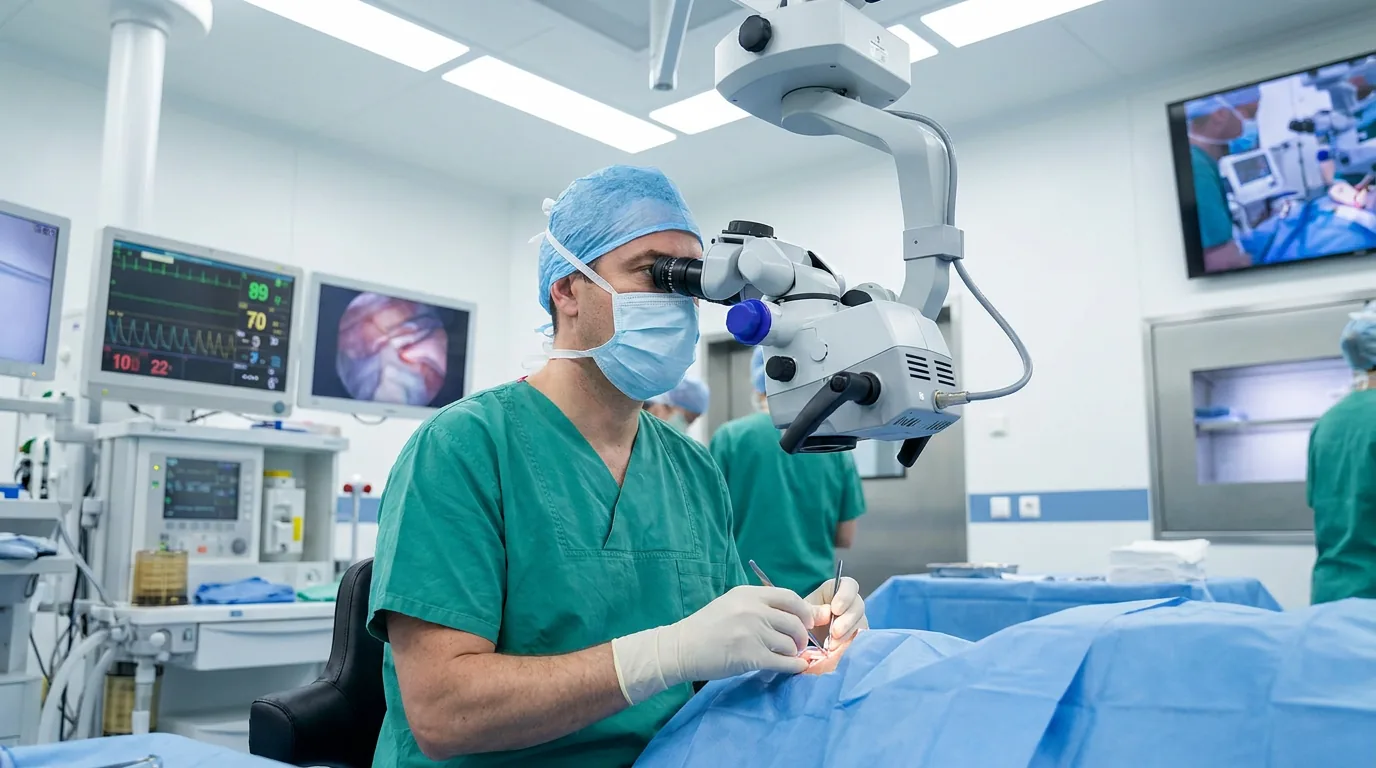
Blepharoplasty is surgery that removes or repositions excess skin and fat around the eyelids. On the upper eyelid, it removes the skin that sags and weighs down your gaze. On the lower eyelid, it usually addresses the bags that give you that permanently tired look. It's an outpatient procedure done under local anesthesia, and in most cases you won't need to stay overnight. It can be done on the upper eyelid alone, the lower eyelid alone, or both, depending on what your case calls for.
There's no single version of this surgery that fits everyone. Every eyelid, every face, and every goal is different, so the technique gets tailored to what each person actually needs. That's why two people who walk in saying "I want my eyelids done" can end up with very different surgical plans.
What almost everyone has in common is the starting point: something about their eyelids has changed, and it's bothering them or getting in the way. They want their comfort back, their appearance back, or both.
Cosmetic vs. Functional: They're Not the Same
Here's the distinction that matters most, and the one people mix up the most often.
Cosmetic blepharoplasty is about improving appearance: removing excess skin, softening under eye bags, and giving you a more rested look. It's a personal choice, and a valid one, about how you want to look.
Functional blepharoplasty is a different story. When the skin on your upper eyelid hangs low enough, it can block the upper part of your field of vision, and you start losing peripheral vision without even noticing, according to the Mayo Clinic. In these cases, removing the skin that hangs over your eye isn't a cosmetic preference. It's restoring your field of vision. A lot of people who find themselves constantly raising their eyebrows or tilting their head back to see better actually have an undiagnosed functional problem.
Telling the two apart matters, because it changes the goal of the surgery, what you should expect from it, and in some functional cases, even whether insurance will cover it. That distinction gets made during an evaluation, not by guesswork.
Dermatochalasis and Ptosis: Why the Diagnosis Matters
These are two conditions that can look alike at first glance but aren't the same and aren't treated the same way.
Dermatochalasis is excess, sagging eyelid skin, usually tied to aging: skin loses elasticity over time and starts to droop. Ptosis is different. The eyelid droops because the muscle responsible for lifting it, the levator muscle, is weak or has come loose from its attachment, so the problem isn't extra skin, it's a muscle that isn't doing its job. Medical literature describes both as distinct conditions, according to the National Library of Medicine.
This distinction is practical, not academic. With dermatochalasis, the surgeon removes skin. With ptosis, the muscle needs to be reinforced or reattached. Operating on one condition while treating it like the other leads to disappointing results. That's why Dr. Mayreline González, an ophthalmologist at Centro Láser who subspecializes in oculoplastics, insists on this point: before anyone talks about removing skin, you need to properly measure why the eyelid is drooping, because the cause determines the surgery.
Who's a Candidate?
You don't need a severe problem to get evaluated. These are the most common signs that lead people to consider blepharoplasty:
- Droopy upper eyelids that make you look permanently tired or sad.
- A heavy feeling in your eyelids by the end of the day.
- Raising your eyebrows or tilting your head back just to see clearly.
- Losing vision at the top or sides of your field of view because of hanging skin.
- Noticeable bags under your eyes.
- Eyelid skin that rubs against your eyelashes or pushes them toward your eye.
Having one of these signs doesn't automatically mean you need surgery. It means it's worth getting evaluated to find out whether your case is cosmetic, functional, or a mix of both, and whether surgery is the right move for you right now.
The Advantage of an Oculoplastic Ophthalmologist
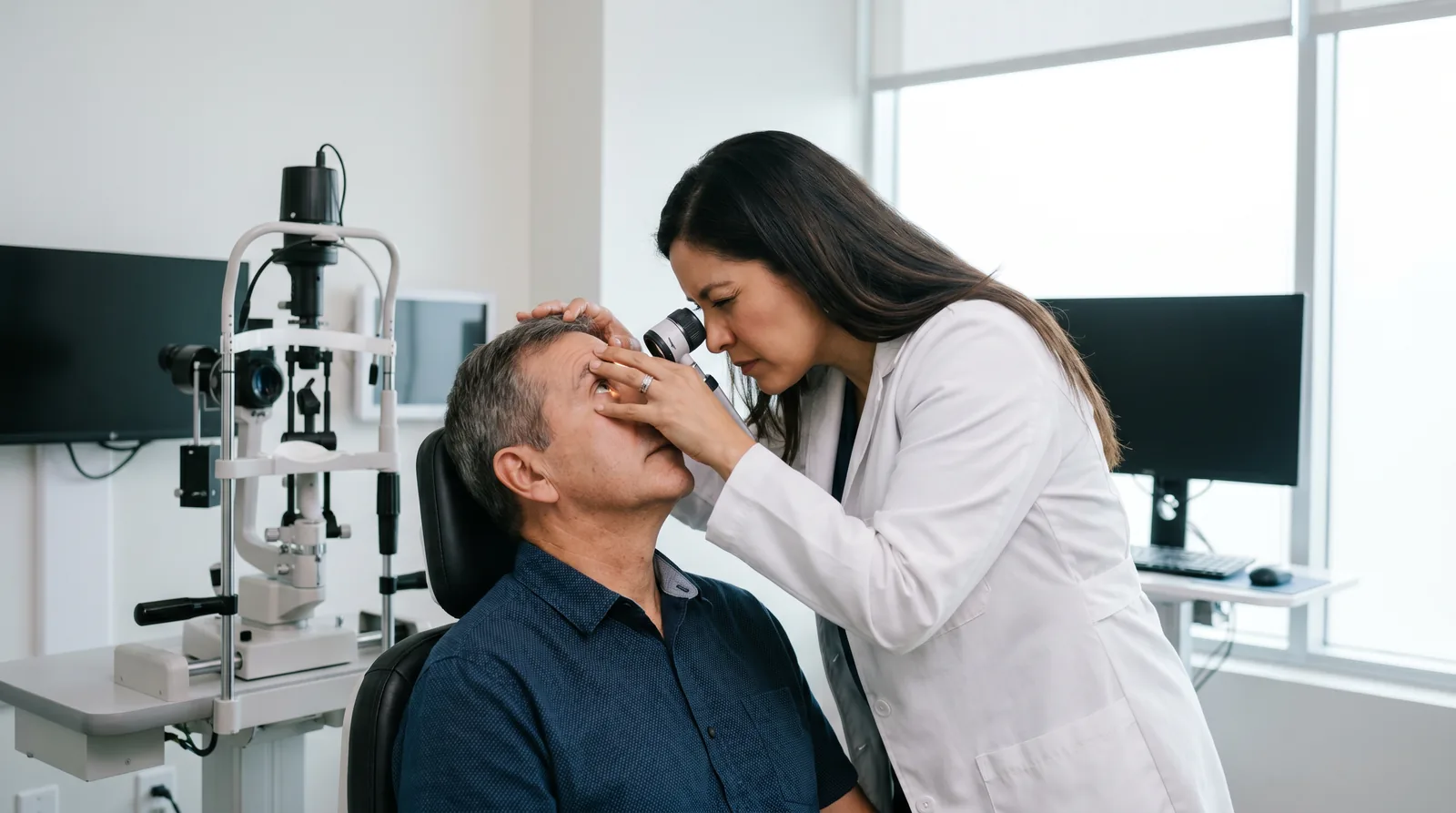
Both plastic surgeons and ophthalmologists perform blepharoplasty, according to the National Library of Medicine. The difference with a fellowship-trained oculoplastic ophthalmologist is that they operate on the eyelid without ever losing sight of what it protects: the eye itself.
That matters more than it might seem. The eyelid isn't just skin. It closes the eye, spreads tears across its surface, and shields it from the environment. Removing too much skin can leave the eye exposed and dry. Mishandling the eyelid's position can affect how you blink. An oculoplastic ophthalmologist balances the cosmetic outcome with how well your eye actually functions, and checks the ocular surface, tear film, and overall eye health before ever picking up a scalpel.
At Centro Láser, oculoplastics works exactly this way: eyelid surgery performed by someone who understands the whole eye, not just the skin around it.
What Does Recovery Look Like?
Recovering from blepharoplasty is generally easier than most people expect. It's normal to have some swelling and bruising for the first few days, which gradually improves over the following weeks, according to the Cleveland Clinic. Cold compresses, relative rest, and following your doctor's instructions all help speed things along.
Most people get back to their daily routine within a few days, though the final result, once the swelling is fully gone, becomes clearer over the following weeks. As with any surgery, there's aftercare to follow and checkups to keep, and your surgeon will walk you through every step.
If your case includes ptosis or requires repositioning the eyelid, the plan and the recovery timeline shift a bit, but the principle stays the same: a well-managed recovery gets you the best results.
Frequently Asked Questions
Is blepharoplasty always cosmetic? No. It can be cosmetic, functional, or both. When excess skin on the upper eyelid blocks your vision, the surgery serves a functional purpose in addition to a cosmetic one.
Does insurance cover blepharoplasty? It depends on your case and your policy. Some functional cases, where documentation shows the eyelid is affecting your visual field, may be covered. Purely cosmetic cases usually aren't. It's worth confirming with your insurance provider once you've had a medical evaluation.
Does eyelid surgery hurt? It's done under local anesthesia, and most patients tolerate it well. Afterward, you may have mild discomfort, swelling, and bruising for a few days, which your doctor's instructions will help you manage.
How long do the results last? Blepharoplasty gives you long-lasting results, but it doesn't stop the aging process. Your skin keeps changing over the years, so the results hold up well even as your face continues to change naturally.
Does it leave a visible scar? Incisions are placed to hide within the eyelid's natural creases, so scars are usually barely noticeable once they heal. Proper aftercare helps them fade even further.
What age can I have eyelid surgery? There's no set age. Blepharoplasty becomes worth considering whenever your eyelids start bothering you, whether for looks or function, which tends to happen more often in your 40s or 50s, though it varies a lot from person to person. The evaluation makes that call, not your birthday.
The First Step Is an Evaluation, Not a Scalpel
When it comes to your eyelids, the best decision starts with understanding what's actually happening. Cosmetic, functional, or a mix of both: every case has its own answer, and that answer comes from a careful evaluation, not from comparing your eyes to someone else's.
If you recognize that heaviness in your eyelids, that tired look, or the sense that your skin is blocking your vision, the next step is simple. Schedule an oculoplastics evaluation at Centro Láser, and let's talk about what's right for you, with your eye and your vision in mind.
Request Your Evaluation and we'll reach out to schedule your visit.
This content is for informational and educational purposes only and is not a substitute for professional medical consultation, diagnosis, or treatment. If you have any concerns about your eyelids or your vision, please consult your ophthalmologist.
Written by Centro Láser. Clinically reviewed by Dr. Mayreline González, fellowship-trained specialist in oculoplastics.