Personalized laser vision correction

Refractive Surgery

Nearsightedness, farsightedness, astigmatism, and presbyopia can be corrected beyond glasses and contacts. We evaluate your eyes to find the right approach among three techniques: ReLEx SMILE, advanced SBK LASIK, and advanced surface ablation.

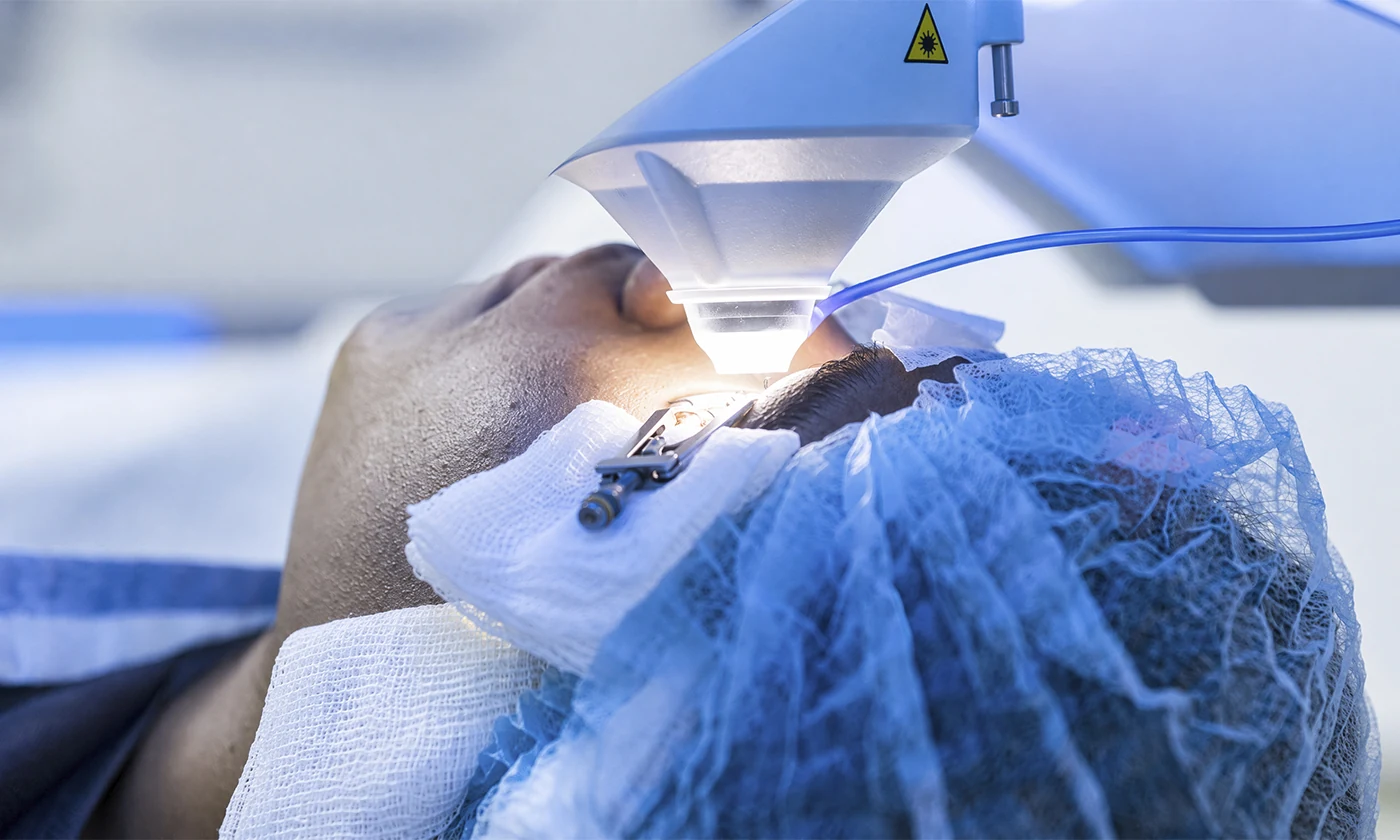
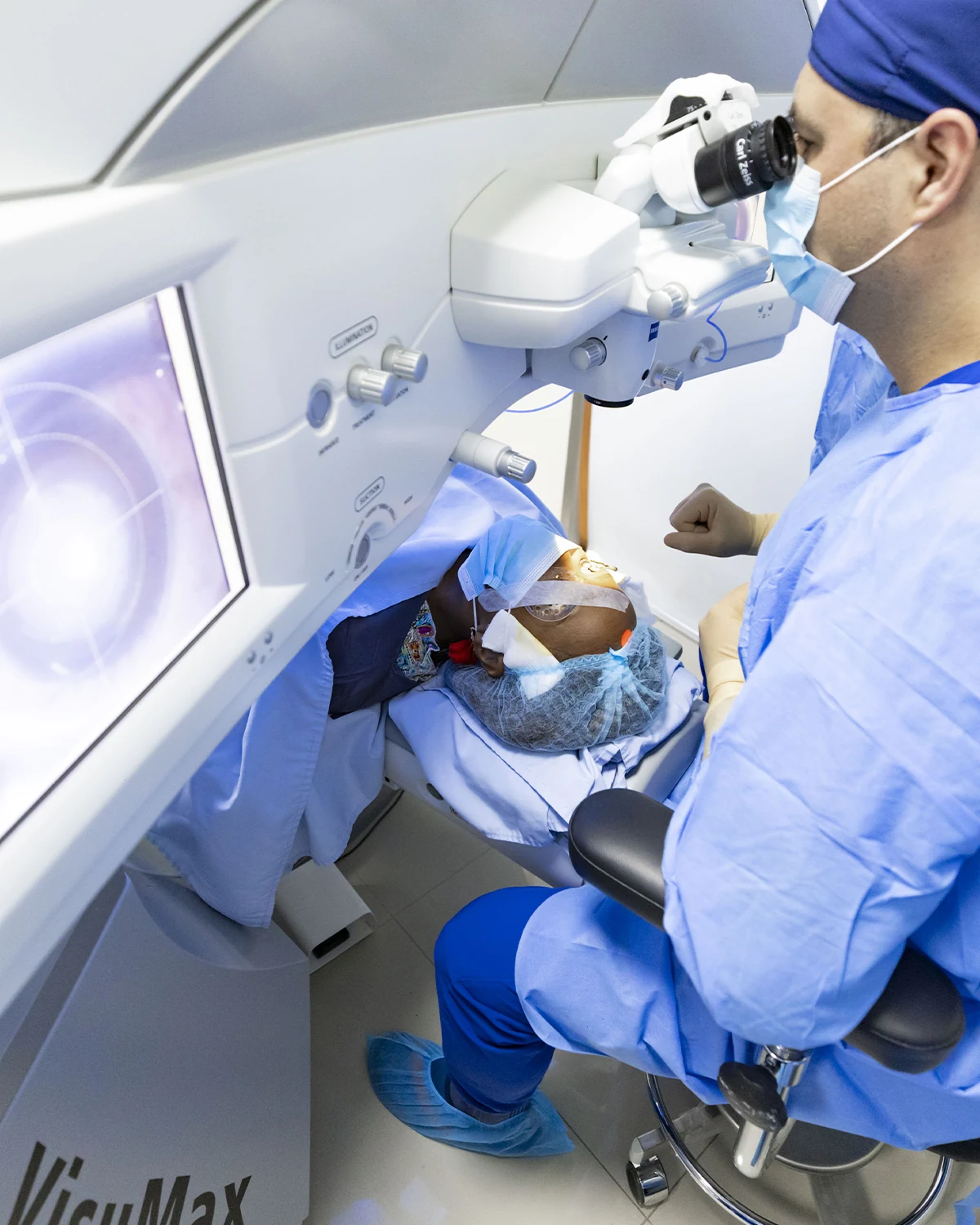
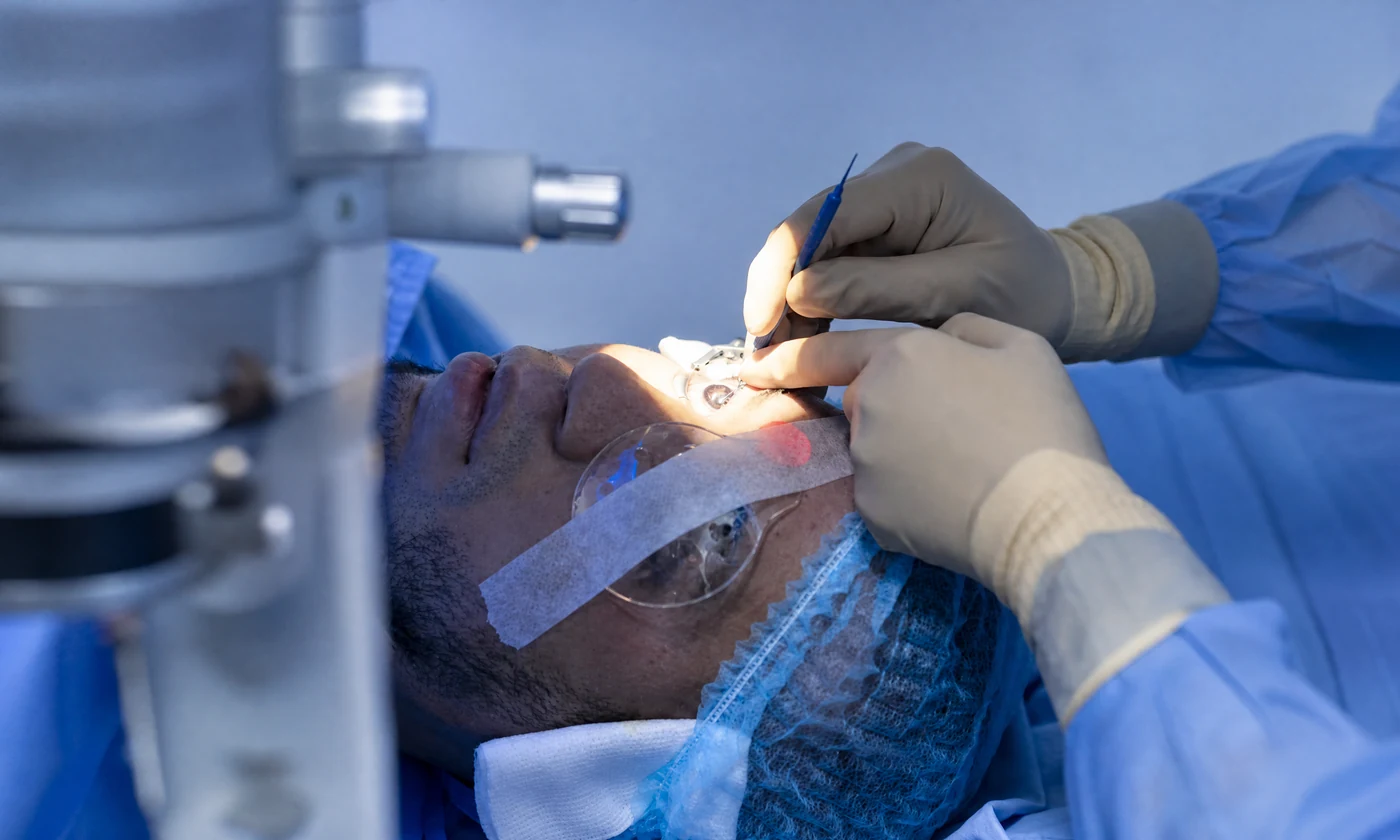
ReLEx SMILE refractive surgery at Centro Láser, Santo Domingo

What you should know about refractive surgery

Refractive surgery is a group of techniques that correct the eye's focusing errors (nearsightedness, farsightedness, astigmatism, and presbyopia) to reduce or eliminate your dependence on glasses and contact lenses.

At Centro Láser, we were the first center in the Dominican Republic to bring in ReLEx SMILE technology, a third-generation technique performed through a corneal incision of just 2 to 4 mm, with no flap like traditional LASIK. We operate with the Zeiss VisuMax femtosecond laser, the same equipment used at the world's leading refractive centers.

Every case is different. Our pre-surgical protocol includes Pentacam corneal topography, pachymetry, IOL Master 500 biometry, OCT, iTrace ray tracing, and HD Analyzer visual quality analysis. With those results, your refractive surgeon determines which of the three techniques best fits your eye anatomy: ReLEx SMILE, SBK LASIK, or Advanced Surface Ablation (ASA).

Visual recovery depends on the technique: with SMILE and SBK LASIK, most patients return to normal activities within 24 hours. With ASA, full stabilization takes 6 to 8 weeks, but it offers the greatest structural safety for thin corneas or patients who play contact sports.
What we
address

Each condition has its own symptoms, diagnosis, and treatment. If you recognize your symptoms in one of them, we can help.

Nearsightedness (Myopia)

You see well up close but blurry at a distance. It's the most common refractive error and usually stabilizes after age 18, the ideal time to consider surgery.

  • Blurry vision of distant objects
  • Needing to move closer to screens or whiteboards
  • Headaches from straining to see
  • Eye fatigue while driving
  • A prescription that no longer changes (stable for 12+ months)

Farsightedness (Hyperopia)

You see better at a distance than up close, especially when reading or using your phone. In children it can go unnoticed because the eye compensates. In adults it usually shows up after age 30.

  • Blurry near vision
  • Eye fatigue while reading
  • Headaches after detailed tasks
  • Needing to hold your phone or a book farther away
  • A feeling of eye pressure by the end of the day

Astigmatism

The cornea or lens isn't perfectly round, so images look distorted or doubled at any distance. It can occur alongside nearsightedness or farsightedness.

  • Blurry or distorted vision at all distances
  • Halos or glare around lights at night
  • Frequent eye fatigue
  • Trouble seeing fine detail
  • Squinting to bring things into focus

Presbyopia

After age 40, the natural lens loses flexibility and focusing up close becomes harder. It's a natural process, but modern surgical and refractive options can reduce your dependence on glasses.

  • Holding your phone or a menu farther away to read it
  • Eye strain after reading for 15 to 30 minutes
  • Trouble focusing in dim light
  • Switching often between reading glasses and regular glasses
  • You are 40 or older

This is how the world looks
uncorrected

Slide the bar to compare. With uncorrected nearsightedness, distant objects look blurry and detail is lost even at mid-range.

When treatment
makes sense

You don't have to wait. Treatment is considered as soon as one or more of these signs appear.

  • You want to reduce or eliminate your dependence on glasses or contact lenses

  • Your prescription has been stable for at least 12 months

  • You are 21 or older with nearsightedness, farsightedness, astigmatism, or presbyopia

  • You play sports or work in settings where glasses get in the way

  • Contact lenses bother you or you don't tolerate them well

How we treat
this condition

Three techniques available. Your pre-surgical evaluation determines which one fits your prescription, corneal thickness, and lifestyle.

Advanced Surface Ablation (ASA) No Flap

Advanced Surface Ablation (ASA)

No corneal flap. Ideal for thin corneas or patients who aren't LASIK candidates. Safer for contact sports.

Duration
15-20 minutes for both eyes
Anesthesia
Topical (anesthetic drops)
Recovery
7 days
Explore the procedure
Phakic Intraocular Lens (ICL) Reversible

Phakic Intraocular Lens (ICL)

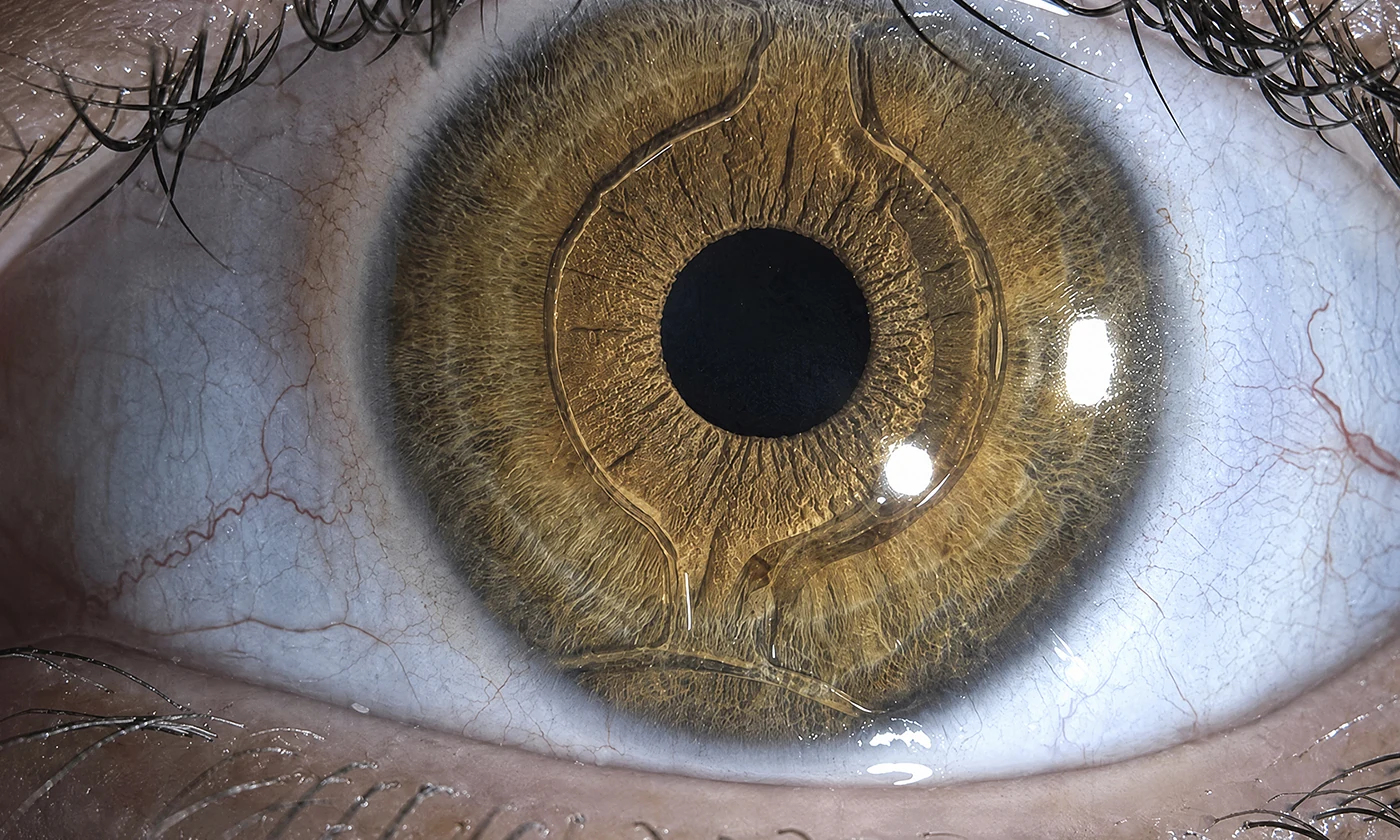
For high myopia, hyperopia, or astigmatism where laser surgery isn't the best fit. A lens placed inside the eye, without touching the cornea, and reversible.

Duration
20-30 minutes for both eyes
Anesthesia
Topical (anesthetic eye drops)
Recovery
1-2 days to resume activities
Explore the procedure
ReLEx SMILE

ReLEx SMILE

Minimally invasive, flap-free refractive surgery that corrects myopia and astigmatism, with visual recovery in as little as 24 hours.

Duration
10-15 minutes per eye
Anesthesia
Topical (anesthetic eye drops)
Recovery
1-2 days to resume activities
Explore the procedure
SBK LASIK (Sub-Bowman Keratomileusis) Femtosecond

SBK LASIK (Sub-Bowman Keratomileusis)

An evolution of standard LASIK. Ultra-thin, blade-free flap created with femtosecond laser, ideal for thinner corneas. Visual recovery in hours.

Duration
15-20 minutes for both eyes
Anesthesia
Topical (anesthetic drops)
Recovery
1-2 days to resume activities
Explore the procedure

Your recovery,
step by step.

Visual recovery is quick. We're with you at every post-op check until you're discharged.

01 /03

Functional vision

With ReLEx SMILE or SBK LASIK, you return to normal activities the next day. You may feel a mild foreign-body sensation the first few hours, controlled with eye drops.

24h
02 /03

Everyday life

Work, screens, and driving with caution. You'll avoid pools, saunas, and intense exercise. You'll continue with antibiotic drops and lubricants as directed. With ASA, the bandage contact lens is removed at a follow-up visit.

Week 1
03 /03

Full stabilization

Your vision reaches its sharpest point. With SMILE and SBK LASIK, stabilization takes 2 to 4 weeks. With ASA, it takes 6 to 8 weeks. You'll be cleared at your final visit.

Weeks 2-8

Why choose us
for your care

Four concrete reasons to trust the health of your eyes to this team.

1st

In the DR with ReLEx SMILE

The first center to bring Zeiss minimally invasive refractive surgery to the Dominican Republic. Thousands of procedures performed with a success rate above 98%.

Zeiss ®

VisuMax femtosecond laser

We operate with the same femtosecond laser used at the world's leading refractive centers, for micron-level precision on every cut.

90 min

Complete pre-surgical evaluation

Pentacam topography, pachymetry, IOL Master biometry, OCT, iTrace ray tracing, and HD Analyzer. No shortcuts: if you're not a safe candidate, we'll tell you.

3

Techniques available: SMILE, SBK LASIK, and ASA

We don't push a single technique. Every patient gets the option that best fits their prescription, corneal thickness, age, and lifestyle.

The technology behind
every procedure

Every pre-surgical study in one place, without ever leaving the center.

IOL Master 500 Biometry Precise intraocular lens calculation for your cataract surgery (Zeiss)
Pentacam Advanced corneal tomography: a detailed map of the shape of your cornea (Oculus)
iTrace Ray tracing and optical aberration analysis for personalized surgery
Visante OCT Detailed imaging of the front of the eye (Zeiss)
Pachymetry Measures the thickness of your cornea to micrometer precision
Topolyzer High-resolution corneal topography with a Placido disc camera

Specialized ophthalmologists
in refractive surgery

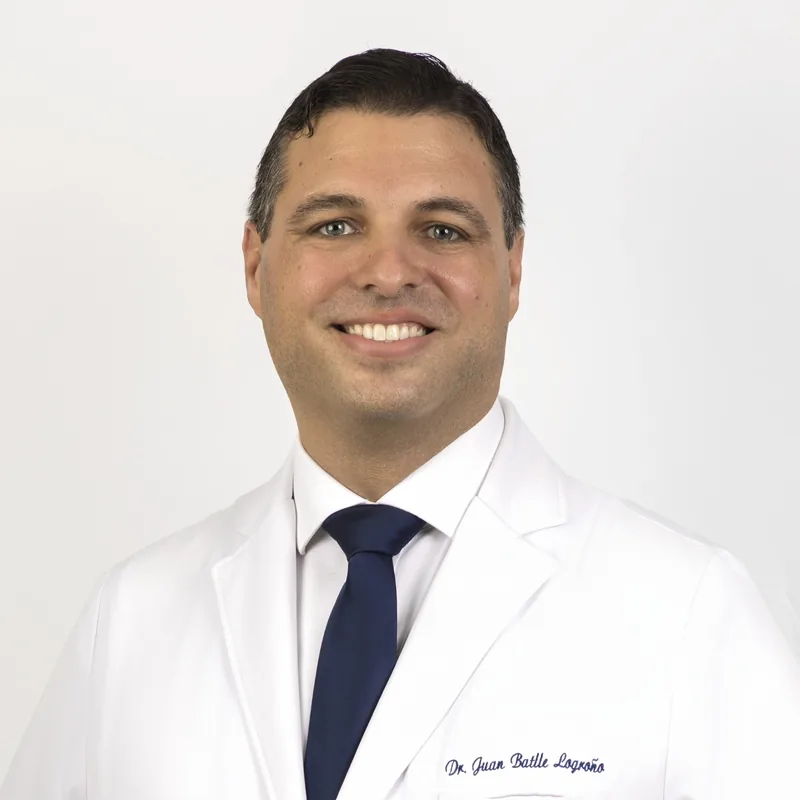
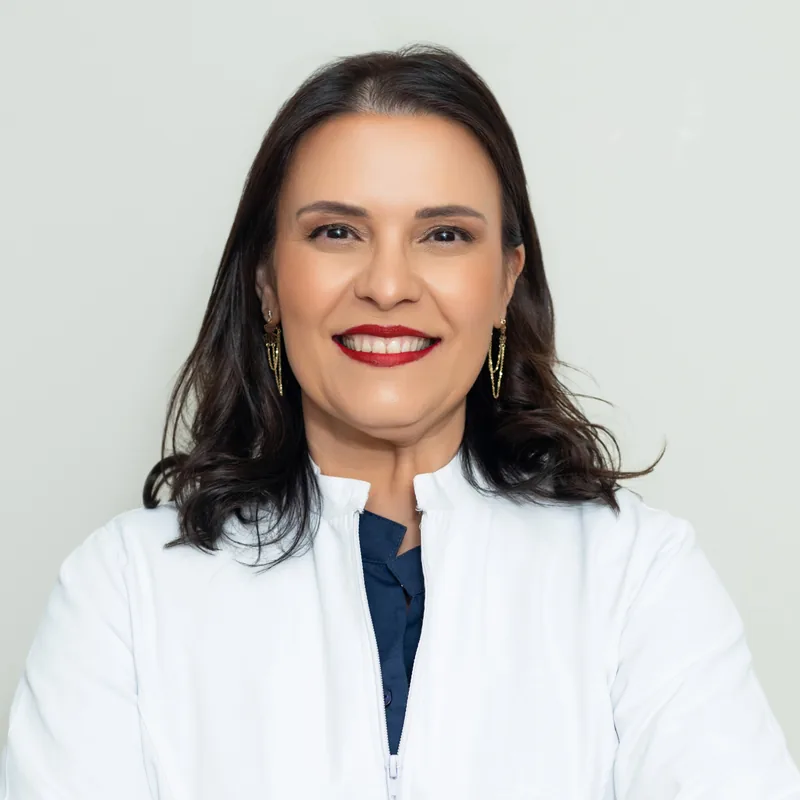
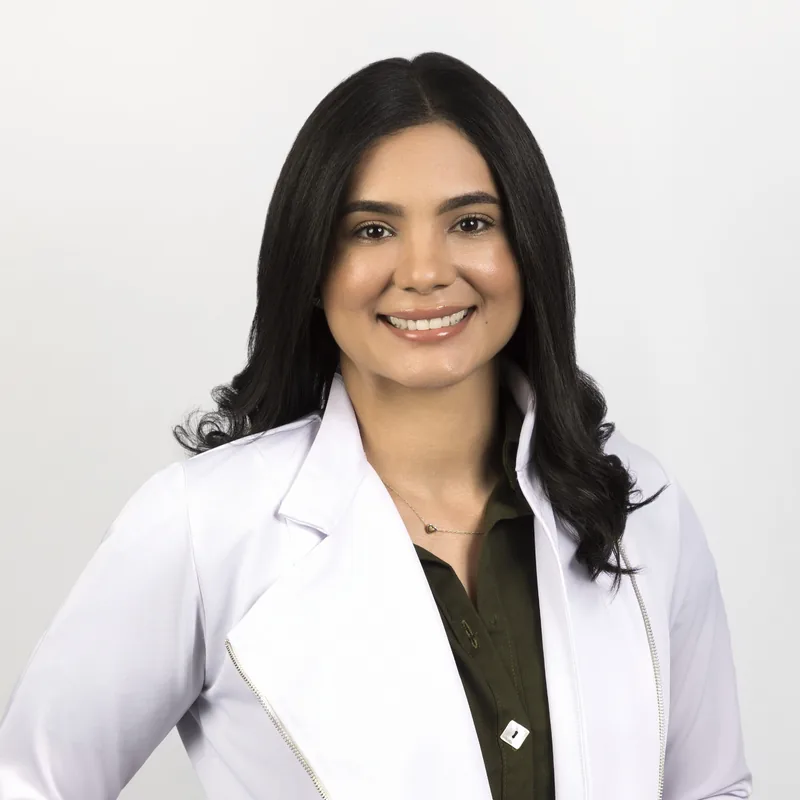
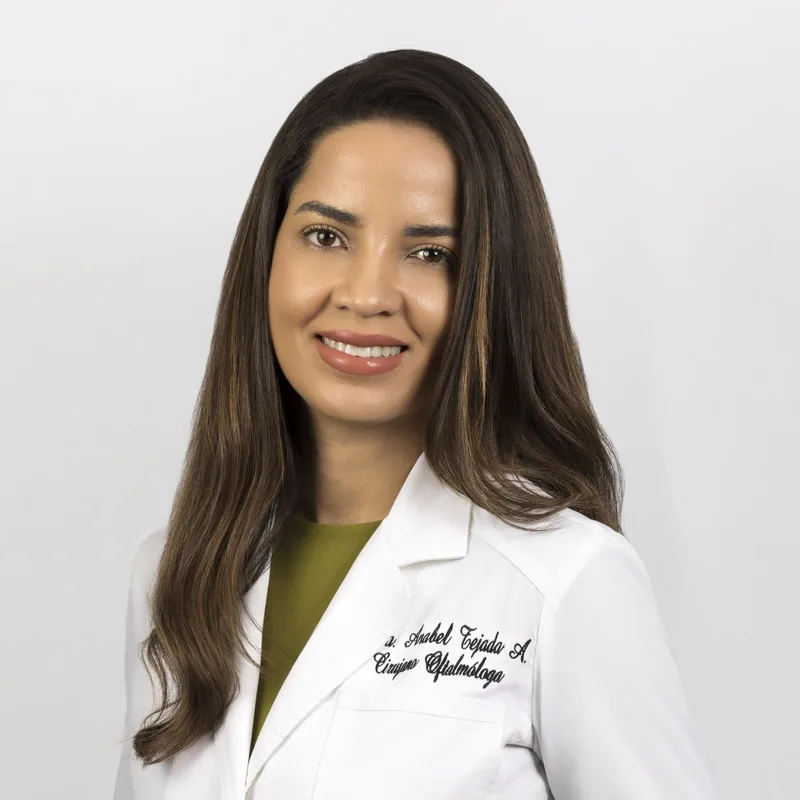
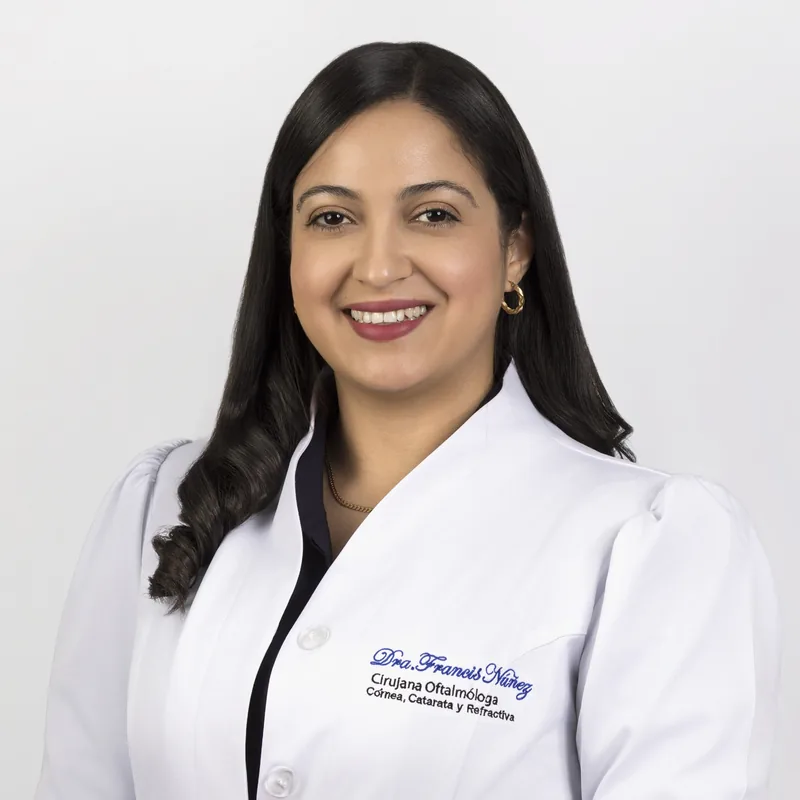
Meet the team who will handle your evaluation, surgery, and follow-up.

How to book your visit

Four steps.
One visit.

We designed every step so you reach your treatment plan without unnecessary detours.

1 /04

Book your visit

By WhatsApp, form, or phone. Within 24 hours we confirm the day, time, and specialist at the location you prefer.

24 h
2 /04

Initial evaluation

A complete eye exam with your specialist. We talk through your history, symptoms, and what you want to achieve.

45 min
3 /04

Diagnostic testing

Whatever your case calls for, done inside the center and often during the same visit.

Same day
4 /04

Treatment plan

Your doctor walks you through options, costs, and next steps. You decide with clear information.

Next steps

We accept the country's
major health plans

Most plans cover surgery with standard options. Premium options may require a copay.

Learn more
about refractive surgery

Patient guides reviewed by our specialists.

About
refractive surgery

All three techniques use a laser to reshape the cornea, but they access the tissue differently. ReLEx SMILE works through a 2-4 mm incision with no corneal flap, which preserves the cornea's biomechanical integrity and lowers the risk of post-surgical dry eye. LASIK creates a flap of about 20 mm to reach the stroma: faster visual recovery and a more established technique. PRK works on the corneal surface without touching the deeper stroma, ideal when the cornea is thin, though visual recovery takes 5-7 days.

Candidacy depends on several factors: being 18 or older, a prescription that's been stable for at least 12 months, adequate corneal thickness, healthy corneal topography (no signs of keratoconus), and a prescription within the range each technique allows. We confirm this with a 90-minute pre-surgical evaluation that includes Pentacam topography, pachymetry, aberrometry, and visual quality analysis. If you're not a safe candidate for laser surgery, we'll offer alternatives such as a phakic intraocular lens.

For high myopia (over -10 D) or patients with a thin cornea, laser surgery may not be safe. The alternative is a phakic intraocular lens (ICL): a lens implanted between the iris and your natural lens, without removing any corneal tissue. It's an outpatient procedure, reversible, and corrects nearsightedness up to -18 D along with high astigmatism. Your refractive surgeon will tell you if the ICL is the best option for you after your pre-surgical evaluation.

No. Laser refractive surgeries are done with topical anesthesia (eye drops) and take 10-15 minutes per eye. During the procedure you may feel pressure but no pain. In the first 4-6 hours afterward you may notice a foreign-body sensation or tearing, which is controlled with drops and usually clears up by the next morning.

It depends on the technique: with ReLEx SMILE and LASIK, most patients notice a significant improvement the next day and return to normal activities within 24 hours. With PRK, functional recovery takes 5-7 days. Your vision keeps sharpening over the following 2-4 weeks until it fully stabilizes.

The refractive correction achieved with laser surgery is stable and long-lasting. That said, age-related vision changes, like presbyopia after age 40 or cataracts after age 60-65, may call for additional correction down the road. That's not a failure of the procedure, just the eye's natural aging process.

You'll need to stop wearing them before your pre-surgical evaluation so your corneal topography reading is accurate. For soft lenses, stop 5-7 days beforehand. For rigid gas-permeable (RGP) lenses, stop 2-3 weeks beforehand. This lets your cornea return to its natural shape so the tests reflect your true prescription.

Standard laser techniques (SMILE, LASIK, PRK) correct nearsightedness, farsightedness, and astigmatism, but not presbyopia on its own. For presbyopia we offer different options: laser monovision (one eye focused for distance, the other for near), multifocal or trifocal intraocular lenses, and refractive lens exchange. Your evaluation determines the best option based on your age, prescription, and lifestyle.

Modern refractive surgeries have very low complication rates when performed with current technology and experienced specialists. Possible risks include temporary dry eye (more common with LASIK than SMILE), halos or glare at night during the first few months, infection or inflammation (very rare with an aseptic protocol), and the need for a touch-up in isolated cases. That's why the 90-minute pre-surgical evaluation is strict: if you're not a safe candidate, we'll tell you.

Where to
find us

Centro Láser Naco

C/ Fantino Falco #3, Ensanche Naco, Santo Domingo
+1 809 563-1324
Mon-Fri 7:30am – 5:00pm | Sat 7:30am – 12:00pm

Centro Láser Megacentro

Av. San Vicente de Paúl 321, Megacentro, Santo Domingo Este
+1 809 563-1324
Mon-Fri 7:30am – 5:00pm | Sat 7:30am – 12:00pm

Legacy Eye Clinic

C. Ing. Juan Paradas Bonilla 11, Santo Domingo

Get free of glasses with the right technique for your eyes

Evaluation with a refractive surgeon. 90 minutes of complete testing to confirm whether you're a candidate for ReLEx SMILE, SBK LASIK, or ASA.