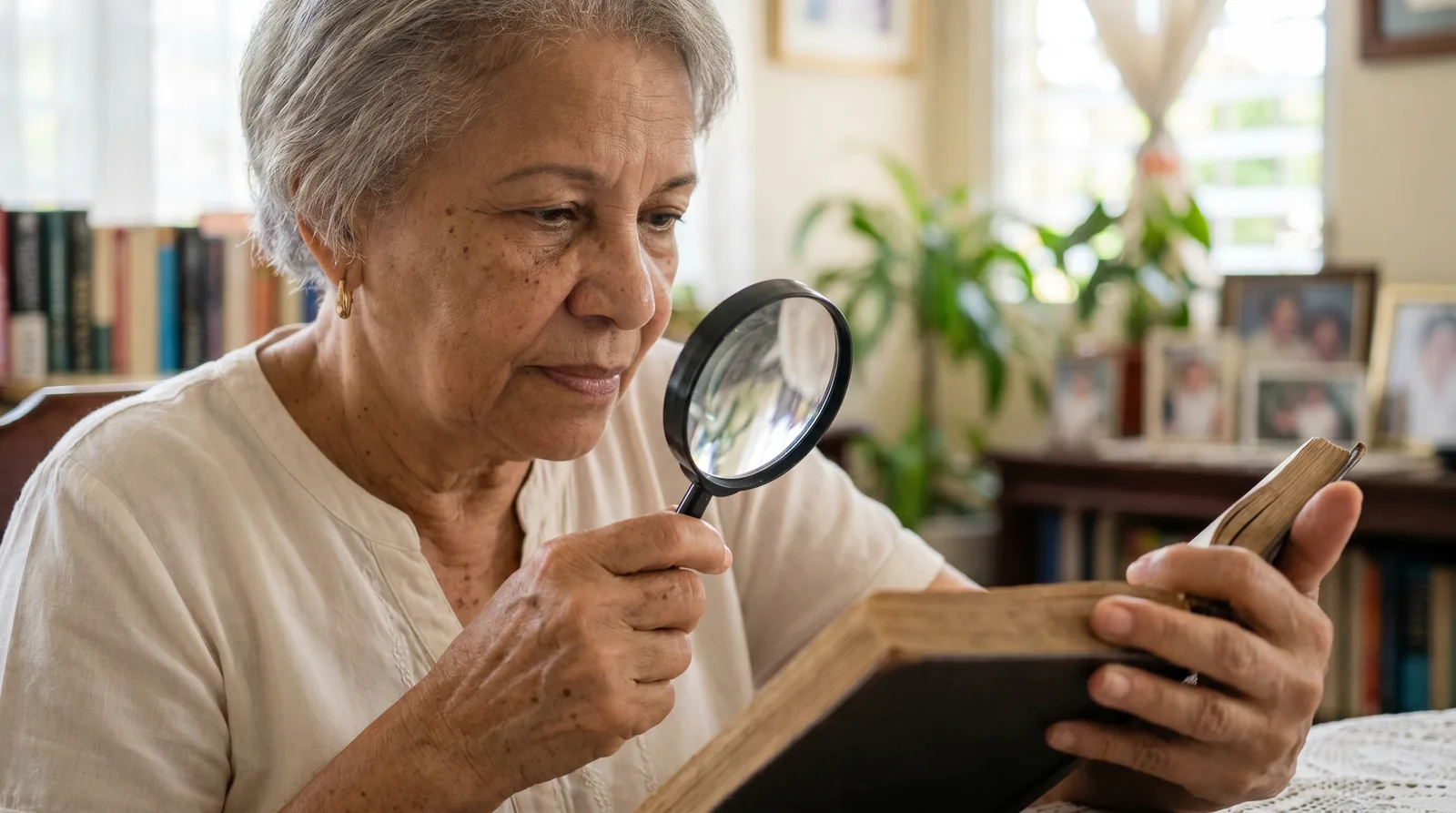
What Is Glaucoma? The Silent Thief of Sight
Glaucoma damages your vision silently and permanently. Learn what it is, its warning signs, who is at risk, and why early detection changes everything.

Glaucoma is an eye disease that slowly damages the optic nerve, usually without any warning. That's why it's often called the silent thief of sight: by the time symptoms show up, the vision loss is already significant and, more seriously, permanent. Understanding what glaucoma is and catching it early can mean the difference between keeping your sight and losing it without ever noticing.
This is not a minor issue. Glaucoma is the leading cause of irreversible blindness worldwide, according to the National Eye Institute (NEI). Unlike cataracts, which can be corrected with surgery, vision lost to glaucoma does not come back. An estimated 76 million people were affected in 2020, and that number could top 111 million by 2040. The good news: caught early, glaucoma can be controlled in the vast majority of cases.
The key is one word: act early. Glaucoma cannot be cured, but it can be slowed, and the sooner treatment starts, the more vision you keep. Here's what glaucoma is, how to recognize your risk, and what can be done about it.
What Is Glaucoma?
The optic nerve is the cable that carries what you see from your eye to your brain. Glaucoma is a group of diseases that progressively damage that nerve, and in most cases the damage is tied to the pressure inside the eye, known as intraocular pressure.
Your eye constantly produces a fluid that nourishes it and keeps its shape. When that fluid doesn't drain properly, pressure builds up and starts damaging the fibers of the optic nerve. That damage doesn't hurt and can't be felt, but it slowly eats away at your vision from the outer edges toward the center, as if your field of view were closing in bit by bit.
There are several types of glaucoma. The most common is open-angle glaucoma, which develops slowly and silently. There's also angle-closure glaucoma, which can strike suddenly as a medical emergency (more on that below). What they all have in common is the target of the damage: the optic nerve.
Why It's Called the "Silent Thief of Sight"
Here's what makes glaucoma so dangerous. In its most common form, it doesn't cause pain, doesn't redden the eye, and doesn't blur your vision overnight. You can see clearly straight ahead for years while quietly losing your side vision, and your brain fills in those gaps, so you don't even notice what's missing.
By the time someone notices they're bumping into things on the side or struggling to see at night, the disease has usually progressed significantly. And because a damaged optic nerve doesn't regenerate, that lost vision never returns. That's why, with glaucoma, waiting for symptoms means waiting too long.
Dr. Rachel Alburquerque, a fellowship-trained glaucoma specialist who leads the Glaucoma Department at Centro Láser, puts it plainly to her patients: we don't treat glaucoma because it bothers you, we treat it because we detected it, since by the time it starts to bother you, it has already taken a piece of your vision that won't come back.
Glaucoma Symptoms: What You Will (and Won't) Notice
Here's the uncomfortable truth: open-angle glaucoma, the most common form, has almost no early symptoms. That's exactly why regular eye exams matter so much. Still, it's worth knowing the warning signs, especially for acute angle-closure glaucoma, which is a true emergency:
- Sudden, severe pain in the eye or head
- Redness in the eye along with blurred vision
- Colored halos around lights
- Nausea or vomiting along with eye pain
- Rapid vision loss in one eye
If any of these show up suddenly, don't wait. Get emergency eye care the same day. Chronic glaucoma, on the other hand, doesn't announce itself this way, which is why the only way to catch it early is through an eye exam, even if your vision seems fine.
Who's at Risk for Glaucoma?
Glaucoma can affect anyone, but certain factors raise your odds. It's worth knowing them so you can decide if you need more frequent checkups:
- Age: risk increases over time, especially after 60.
- Family history: having an immediate family member with glaucoma is one of the strongest risk factors.
- Elevated intraocular pressure.
- African or Hispanic ancestry, where glaucoma tends to appear earlier and progress more aggressively.
- Diabetes, high myopia, and long-term steroid use.
Having one of these factors doesn't mean you'll develop glaucoma, but it does mean your ophthalmologist will want to keep a closer eye on you. If several factors apply to you, that's a good reason not to skip your annual exam.
Can Glaucoma Be Treated?
Yes, and this is the message we most want you to hear. Glaucoma has no cure, and vision already lost cannot be restored, but lowering intraocular pressure slows the progression of the disease, according to the National Eye Institute. Treated early, most people keep functional vision for life.
There are several tools available, and glaucoma treatment is adjusted to each patient:
- Eye drops: the most common treatment. They lower eye pressure and, used daily as prescribed, protect the optic nerve.
- Laser (SLT): selective laser trabeculoplasty is FDA-approved, and recent evidence backs it even as a first-line treatment for open-angle glaucoma, according to the National Eye Institute.
- Surgery: when drops and laser aren't enough, drainage implants create new pathways for fluid to leave the eye.
Centro Láser has a particular track record here: its research team has taken part in developing nine valves for glaucoma treatment, and its Glaucoma and Clinical Research Department is actively working on new drainage techniques and devices. Not every case requires surgery, but knowing the full range of options exists, from eye drops to implants, brings real peace of mind.
The Key Is Catching It Before It Steals Your Sight
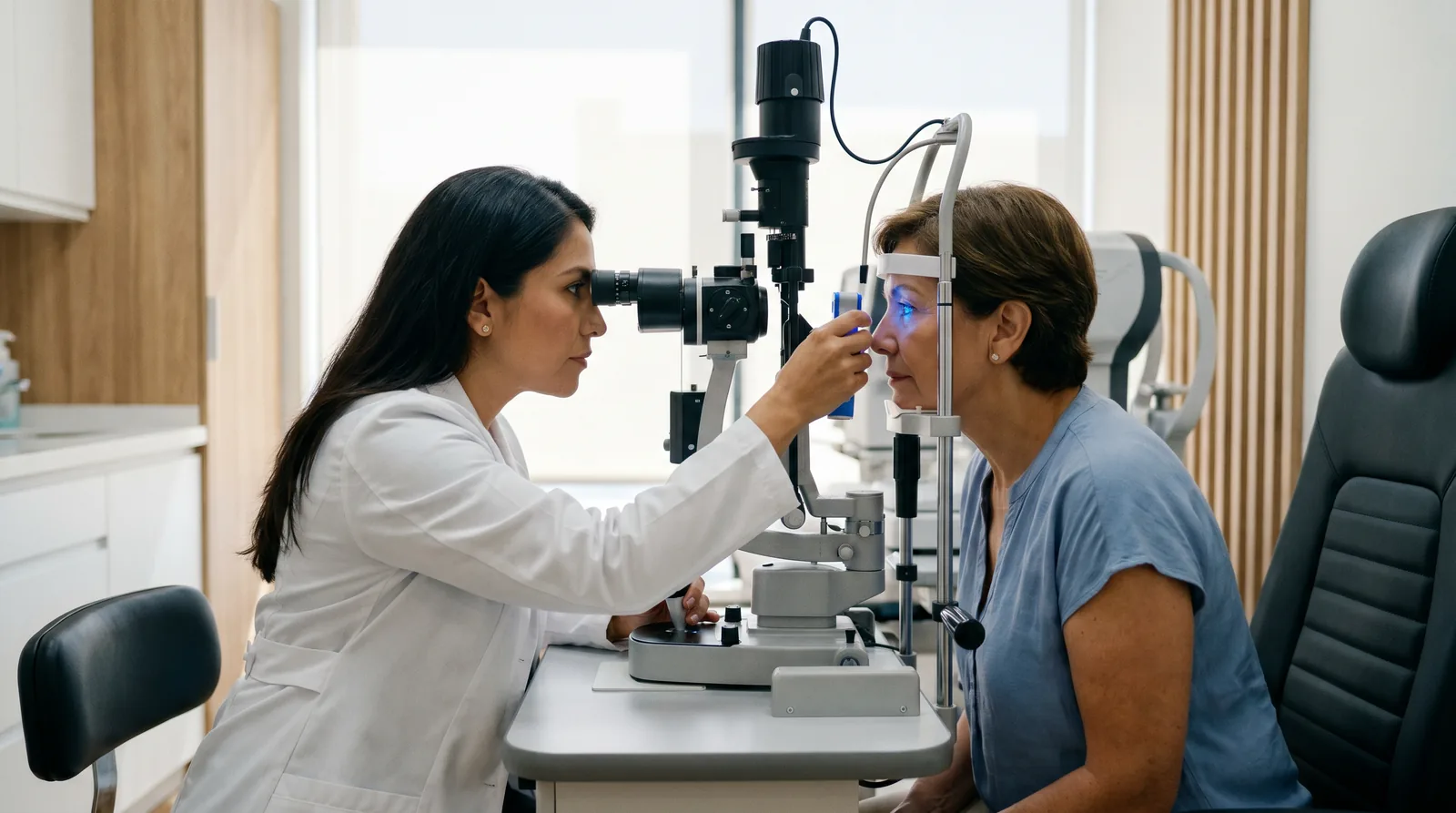
If there's one idea to take from this article, it's this: glaucoma is won or lost in early detection. Research from the National Eye Institute shows that treating people with early-stage glaucoma right away can delay the progression of damage, especially in the visual field. The sooner eye pressure is controlled, the more of your remaining vision is protected.
A glaucoma exam is quick and non-invasive. We measure your intraocular pressure, examine your optic nerve, and, when needed, run a visual field test and a nerve tomography to catch details your eye can't reveal on its own. That tells us whether you have glaucoma, what stage it's in, and how often you should come back.
The general recommendation is a complete eye exam starting at age 40, and earlier or more often if you have risk factors such as a family history of glaucoma. It's a short visit that can save you from a loss of vision you can never get back.
Frequently Asked Questions
Can glaucoma be cured? There's no cure, but there is control. Treatment doesn't restore vision already lost, but it stops or slows further damage. The earlier it's caught, the more vision you keep.
Does glaucoma hurt? The most common type causes no pain or symptoms until advanced stages. Acute angle-closure glaucoma is different: it causes severe pain, a red eye, and nausea, and it's an emergency that needs same-day care.
Will I go blind? Most people who are treated in time keep useful vision for life. The real risk of serious blindness comes from glaucoma that goes undetected or untreated, not from glaucoma that's being managed.
How often should I get checked? A complete exam starting at age 40, more often if you have a family history or other risk factors. Your ophthalmologist will set the right schedule for your case.
Is glaucoma hereditary? The predisposition to it is. Having an immediate family member with glaucoma is one of the most important risk factors, so if that's your situation, get checked even if your vision feels perfect.
Don't Let Glaucoma Steal Your Sight
Glaucoma is silent, but it's not unbeatable. The very thing that makes it dangerous, its lack of symptoms, also has a simple answer: get checked even when you see well. The vision glaucoma takes doesn't come back, but the vision you keep through an early diagnosis stays with you for life.
If you're over 40, have a family history of glaucoma, or have simply never had a glaucoma exam, now is a good time. Schedule an evaluation at Centro Láser in Santo Domingo, and let's put your mind at ease with a simple test.
Request your evaluation and we'll reach out to schedule your visit.
This content is for informational purposes only and is not a substitute for professional medical diagnosis, advice, or treatment. If you have concerns about your eye health, please consult your ophthalmologist.
Written by Centro Láser. Clinically reviewed by Dr. Rachel Alburquerque, fellowship-trained glaucoma specialist.