What Is Retinal Laser Photocoagulation?
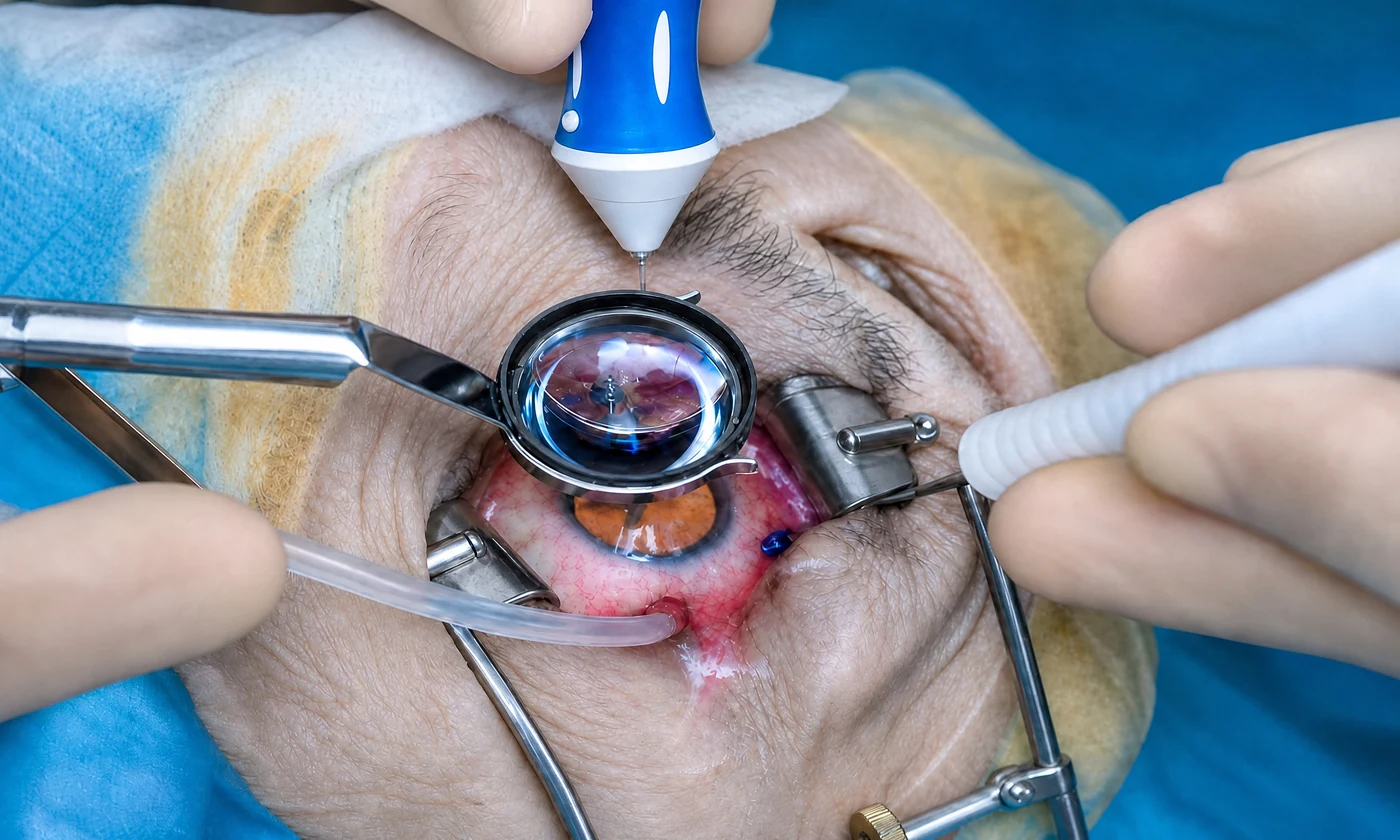
Laser photocoagulation is a treatment that uses a laser beam to create small, controlled burns on the retina. It’s not surgery: it’s an outpatient procedure done with the patient seated at the laser unit, delivered through a special contact lens.
It has two main goals: sealing blood vessels that are bleeding or leaking, and reinforcing weak or torn areas of the retina by creating a scar that anchors them to the back wall of the eye. It’s one of the most established and effective tools for preventing vision loss in retinal disease.
What Conditions Is It Used For?
- Diabetic retinopathy: seals abnormal blood vessels and lowers the risk of bleeding and detachment
- Retinal tears: creates a scar that anchors the retina before it can detach
- Vascular occlusions: treats the oxygen-starved areas that trigger abnormal vessel growth
- Other conditions involving neovascularization or peripheral retinal damage
Why Timing Matters So Much
The laser slows progression, it doesn’t reverse damage that’s already been done. Its biggest value is prevention:
- A tear treated in time prevents a retinal detachment and major surgery down the road
- Diabetic retinopathy treated at the right stage prevents severe vision loss
That’s why regular dilated eye exams, especially for people with diabetes, are what allow your doctor to apply the laser at the optimal moment.
What to Expect, Step by Step
- Evaluation: a dilated eye exam, OCT imaging, and angiography when needed to map out the areas to be treated.
- Pupil dilation with eye drops.
- Topical anesthesia and placement of a special contact lens.
- Laser application: your specialist directs the laser beam to the planned areas. You’ll see flashes of light.
- Same-day discharge with aftercare instructions.
The procedure takes 15 to 30 minutes depending on how much area needs treatment.
Recovery
After treatment, it’s normal to have:
- Blurry vision for a few hours (plan to have someone with you)
- Temporary light sensitivity
- With extensive treatment, some reduction in peripheral or night vision
Recovery is quick, and you can go back to your normal activities the next day. With extensive treatment for diabetic retinopathy, the small loss of peripheral vision is a worthwhile tradeoff for preserving central vision.
Why Choose Centro Láser for Retinal Laser Photocoagulation
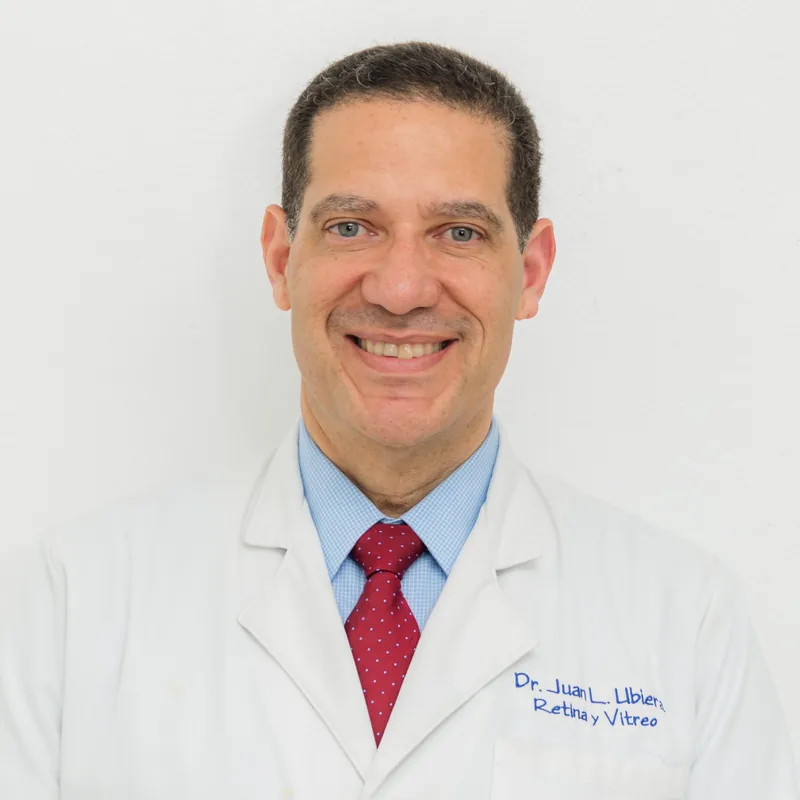
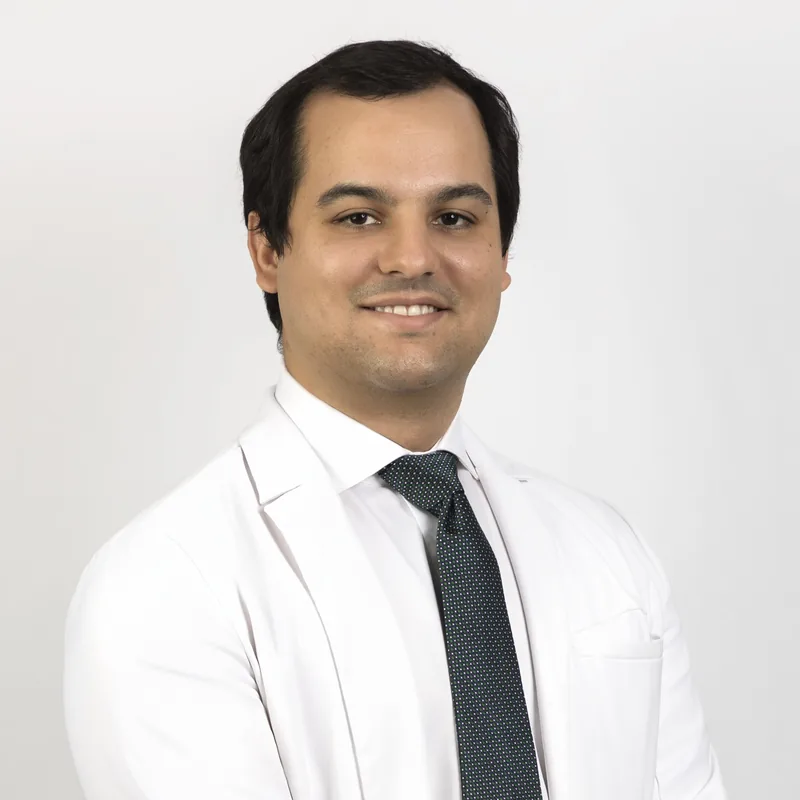
Centro Láser has a retina department with fellowship-trained specialists and the diagnostic equipment (OCT, angiography) needed to plan the laser treatment with precision. When the disease calls for it, we combine photocoagulation with intravitreal injections as part of a complete treatment plan, and we offer vitreoretinal surgery for cases that progress beyond what laser treatment can manage.