Corneal Transplant in the Dominican Republic: Patient Guide
Considering a corneal transplant in the Dominican Republic? Learn when it's needed, the types available, what recovery looks like, and expected results.
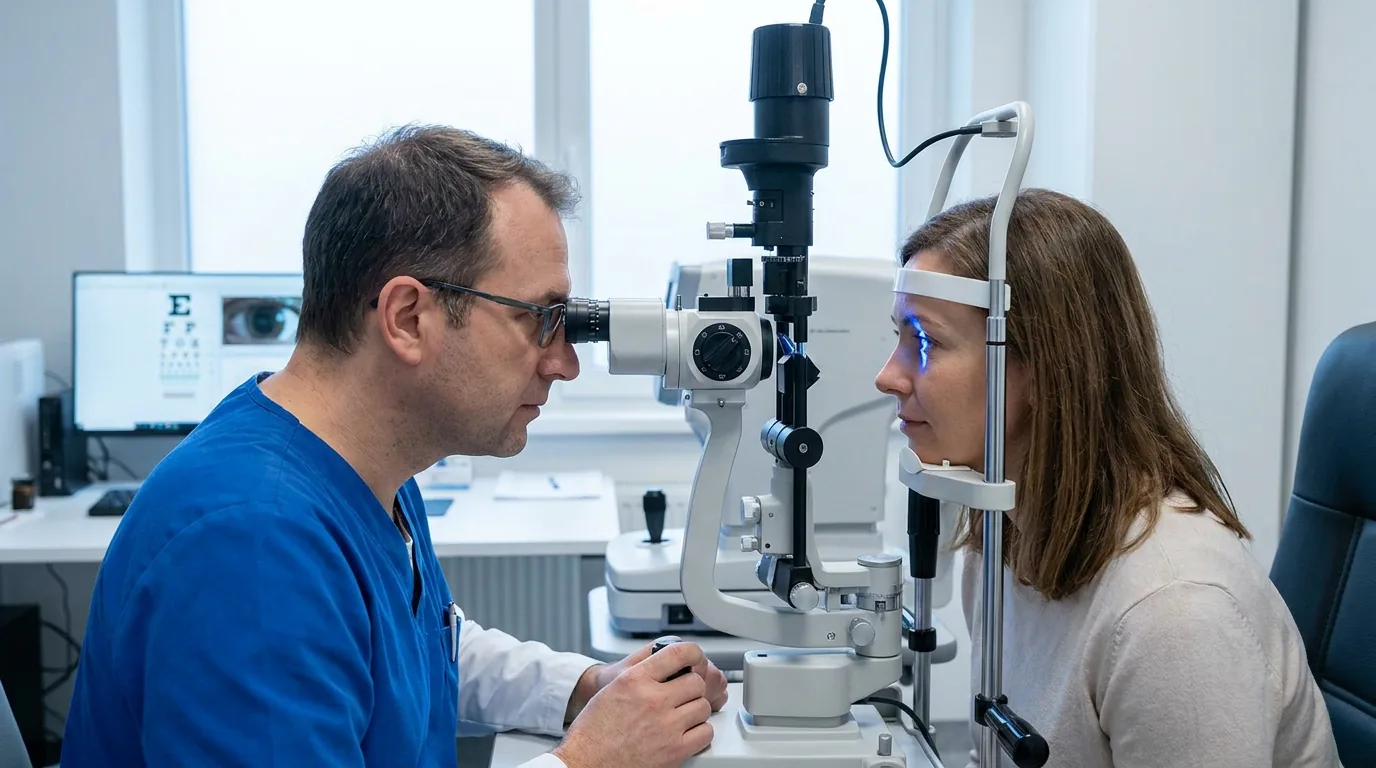
Hearing that you need a corneal transplant can be frightening. It sounds like something huge and far away, maybe even a trip abroad for treatment. The reality is more hopeful: corneal transplant is one of the most successful transplant surgeries in medicine, and it's performed with good outcomes right here in the Dominican Republic. This guide walks you through what it involves and what to expect, step by step.
Here's something reassuring to start with: the cornea is the most commonly transplanted tissue in the world, and corneal transplant has a high success rate, especially for conditions like keratoconus, according to eye banks and the American Academy of Ophthalmology. This isn't an experimental procedure. It's a mature, well-established surgery that restores sight to thousands of people every year.
Let's look at what it is, when it's needed, and what the process looks like.
What Is a Corneal Transplant?
The cornea is the clear, dome-shaped window at the front of the eye that lets light in. When it becomes damaged, warped, or cloudy, vision suffers even if the rest of the eye is perfectly healthy. A corneal transplant, also called keratoplasty, replaces that damaged cornea with healthy, clear donor tissue to restore sight, according to the American Academy of Ophthalmology.
Donor tissue is carefully processed and evaluated by eye banks before it's ever used, which is what guarantees its quality and safety. Thanks to that system, someone who lost their vision to a corneal problem can regain it through the cornea donated by another person.
In many ways, it's one of the most generous acts in medicine. The gift of sight from one person can transform the life of the person who receives it.
When Is a Corneal Transplant Needed?
Not every corneal condition ends in a transplant. In fact, most are managed with other treatments first. A transplant is reserved for cases where the cornea is damaged badly enough that vision can't be restored any other way. According to the American Academy of Ophthalmology, the most common reasons include:
- Advanced keratoconus: the cornea has become so warped that glasses, contacts, or other treatments no longer help.
- Corneal scarring: from infections, injuries, or previous surgeries.
- Fuchs' dystrophy and corneal edema: when the cornea's inner layer fails, causing it to swell and become cloudy.
- Severe infections or injuries that damaged the tissue.
If you have keratoconus and want to understand its stages and treatment options before a transplant becomes necessary, we cover that in our guide on keratoconus signs and treatment. Many people with keratoconus never need a transplant at all, and for those who do, outcomes tend to be very good.
Types of Corneal Transplant
Here's some good news that not many people know. A corneal transplant no longer has to mean replacing the entire cornea. In many cases today, surgeons replace only the damaged layer, which makes the surgery more precise and recovery more predictable, according to the American Academy of Ophthalmology.
Broadly speaking, these are the main options:
- Full-thickness transplant (penetrating keratoplasty): the entire cornea is replaced. This is the classic technique, used when damage extends through the full thickness of the cornea.
- Anterior lamellar transplant (DALK): the outer and middle layers are replaced while preserving the patient's own healthy inner layer. This is often used for keratoconus.
- Endothelial transplant (DSAEK or DMEK): only the thin inner layer is replaced, ideal for Fuchs' dystrophy and corneal edema.
Which one is right for you depends on which layer is damaged. Partial transplants are preferred whenever the disease allows for it, especially when only the inner layer has failed without scarring, because they preserve healthy tissue and typically come with a faster recovery and a lower risk of rejection. Your cornea surgeon will determine the best technique for your specific case.
What Is Recovery Like?
Let's be honest about this part: recovery from a corneal transplant is a process, not an overnight event. Vision improves gradually and can take months to stabilize, especially after a full-thickness transplant, according to the American Academy of Ophthalmology. Partial transplants tend to recover faster.
During that time, you'll use eye drops, often for several months, to support healing and help prevent rejection. Full-thickness transplants involve very fine sutures that may stay in place for a while and are removed gradually over time. Your final eyeglass prescription may take time to settle, and some people need glasses or contact lenses to fine-tune their vision afterward.
Patience and follow-up care are the two things that matter most here. Sticking with your eye drops and showing up for checkups is what protects the outcome of your surgery.
Rejection: What It Is and How to Recognize It
This is one of the questions that worries patients most, so it deserves a clear answer. The body can recognize donor tissue as foreign and try to reject it. The good news is that rejection, when caught and treated urgently, can often be stopped, according to the American Academy of Ophthalmology.
The key is recognizing the warning signs early. There's a simple way to remember them, known as the RSVP rule: redness, sensitivity to light, vision changes or loss, and pain. If you notice any of these signs after a transplant, call your ophthalmologist that same day. Don't wait to see if it gets better on its own.
Catching and treating rejection early, ideally within the first few hours, is the single biggest factor in saving the transplant. That's why follow-up care matters so much, even years later.
Corneal Transplant in the Dominican Republic
One of the biggest concerns patients have is whether they'll need to travel abroad for this surgery. In most cases, the answer is no. Corneal transplants are performed right here in the Dominican Republic, with access to donor tissue from eye banks and cornea surgeons trained in the procedure.
Being able to have the surgery at home has real advantages: lower travel costs, close follow-up throughout the long recovery process, and the peace of mind of having your medical team nearby if any warning sign shows up. That close follow-up is, in fact, one of the most important parts of long-term success.
What matters most is putting your case in the hands of a cornea specialist who can evaluate your situation, determine whether a transplant is the right option, and if so, which type is best suited to you.
What Results Can You Expect?
Let's set realistic expectations here. Corneal transplant has a high success rate, and for conditions like keratoconus, the results tend to be especially good. For many people, it means getting back vision they thought was gone for good.
That said, the outcome depends on each individual case: the condition that led to the transplant, the health of the rest of the eye, and how well you follow your recovery care. Perfect vision without glasses isn't guaranteed, and the process takes time. What is realistic for most well-selected cases is a significant, lasting improvement in vision.
A cornea specialist can look at your specific situation and give you real numbers and expectations to work with.
Frequently Asked Questions
Is a corneal transplant very painful? The surgery is done under anesthesia. Afterward, you may have some mild discomfort that's easy to manage. Significant pain isn't expected and should be checked out right away.
Where does the donor cornea come from? From donors, through eye banks that process and evaluate the tissue to guarantee its quality and safety before it's ever used. It's a rigorous, regulated system.
How long does it take for vision to recover? It's gradual and can take months, especially after a full-thickness transplant. Partial transplants tend to recover faster. Staying consistent with your eye drops and checkups is key.
Can my body reject the cornea? It can happen, but it's often stopped if treated urgently, ideally within the first few hours. That's why it's so important to recognize the warning signs and call your ophthalmologist the same day they appear.
Do I have to travel abroad to have the surgery? In most cases, no. Corneal transplants are performed in the Dominican Republic with access to donor tissue and cornea specialists, which also makes close follow-up easier.
Will I need glasses after the transplant? It's possible. The transplant restores the cornea's clarity and shape, but many people still use glasses or contact lenses to fine-tune their final vision. Your specialist will guide you through it.
Your Vision Can Be Restored
A corneal transplant isn't the end of the road. It's the beginning of getting your vision back. It's a well-established, successful surgery available right here, using modern techniques that preserve more healthy tissue than ever before. What makes the difference is an accurate diagnosis, an experienced cornea surgeon, and good care throughout recovery.
If you've been told you need a corneal transplant, or you have a corneal condition that concerns you, schedule a cornea evaluation at Centro Láser. We'll study your case and walk you through, clearly, what the best path forward looks like for your vision.
This content is for educational and informational purposes only. It is not a substitute for professional medical consultation, diagnosis, or treatment. Whether a corneal transplant is needed, and which type is right for you, can only be determined through a specialized ophthalmologic evaluation.