HomeProceduresObjective Dry Eye Diagnosis

Dry Eye & Ocular Surface

Objective Dry Eye Diagnosis

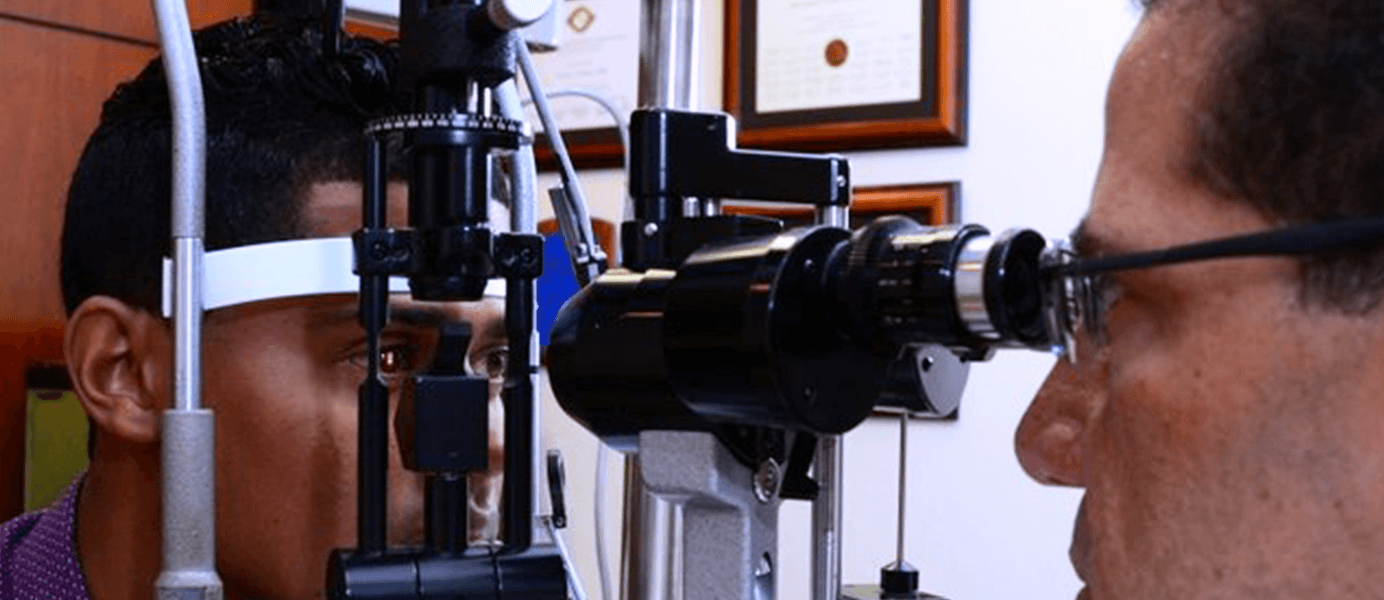
A dry eye evaluation built on objective measurements, tear osmolarity, inflammation markers, and Meibomian gland imaging, that pinpoints the exact cause instead of guessing.

Objective Dry Eye Diagnosis

What Is Objective Dry Eye Diagnosis?

This evaluation identifies the exact cause of your dry eye through objective measurements, instead of treating it blindly with eye drops. It’s the starting point for everything in the Dry Eye Spa, because dry eye is treated best when it’s measured.

“Dry eye” isn’t one single condition. Under that name are several distinct causes that each call for a different treatment. An eye that doesn’t produce enough tears (aqueous-deficient) is a very different problem from one where tears evaporate too fast because the Meibomian glands are blocked (evaporative). Mixing them up leads to treatments that don’t work. Measuring is what lets us get it right.

What the Evaluation Measures

  • Tear osmolarity: the salt concentration of your tears, a key objective marker of dry eye
  • Inflammation markers on the ocular surface
  • Meibography: infrared imaging of the Meibomian glands to check their condition
  • Lipid layer analysis and tear breakup time
  • Tear production and tear meniscus assessment
  • Standardized symptom questionnaires to quantify severity

All of it noninvasive and comfortable.

What the Data Is For

Having objective measurements lets us:

  1. Identify the exact cause of your dry eye (evaporative, aqueous-deficient, mixed, or inflammatory)
  2. Choose a targeted treatment instead of a generic one
  3. Measure your response at each follow-up to fine-tune the plan

It turns dry eye management from something imprecise into something measurable you can track over time, the same way you’d monitor blood pressure or blood sugar.

Especially Important Before Surgery

If you’re planning cataract or refractive surgery, a healthy ocular surface is key to a successful outcome. Undetected dry eye can throw off your presurgical measurements and make discomfort worse afterward. That’s why optimizing the ocular surface before surgery improves both procedure accuracy and your comfort during recovery.

Why Choose Centro Láser for Dry Eye Diagnosis

At Centro Láser, dry eye diagnosis is the foundation of the Dry Eye Spa, with a battery of objective measurements that few centers in the country bring together in one place. Based on your data, we design a targeted treatment (IPL, thermal therapy, punctal plugs) and measure your response at each follow-up.

What you should know
about Objective Dry Eye Diagnosis

Because "dry eye" isn't one single condition. It's several distinct causes that each need a different treatment. An eye that doesn't produce enough tears is a very different problem from one where tears evaporate too fast because the glands are blocked. Without measurements, treatment turns into trial-and-error with eye drops. Objective testing lets us pinpoint the exact cause and treat the real problem from day one.

Among other things: tear osmolarity (the salt concentration of your tears, a key dry eye marker), inflammation markers on the ocular surface, Meibomian gland imaging (meibography) to check their condition, an analysis of the tear film's lipid layer and its breakup time, plus standardized symptom questionnaires. All of it is noninvasive.

No. Most are noninvasive: they rely on imaging and measurements that need little to no contact with the eye. A few tests may cause very mild, momentary discomfort. It's a comfortable evaluation that doesn't require anesthesia or special preparation, though it's best to come in without eye makeup.

Three things: identifying the exact cause of your dry eye, choosing a targeted treatment instead of a generic one, and objectively measuring your response at each follow-up to fine-tune the plan. Having data turns dry eye management from something imprecise into something measurable you can track over time, the same way you'd monitor blood pressure or blood sugar.

It's strongly recommended. A healthy ocular surface is key to a successful cataract or refractive surgery outcome. Undetected dry eye can throw off your presurgical measurements and make discomfort worse afterward. That's why optimizing the ocular surface before surgery improves both procedure accuracy and your comfort during recovery.

Our specialists
in Objective Dry Eye Diagnosis

Are you a candidate for Objective Dry Eye Diagnosis?

Book your evaluation with our specialists.