HomeProceduresNeuro-ophthalmic Evaluation

Neuro-Ophthalmology

Neuro-ophthalmic Evaluation

A specialized evaluation of the entire visual pathway, from eye to brain. Combines exam, visual field testing, OCT, and neuroimaging to find the cause when the eye is healthy but vision isn't.

Neuro-ophthalmic Evaluation

What Is a Neuro-ophthalmic Evaluation?

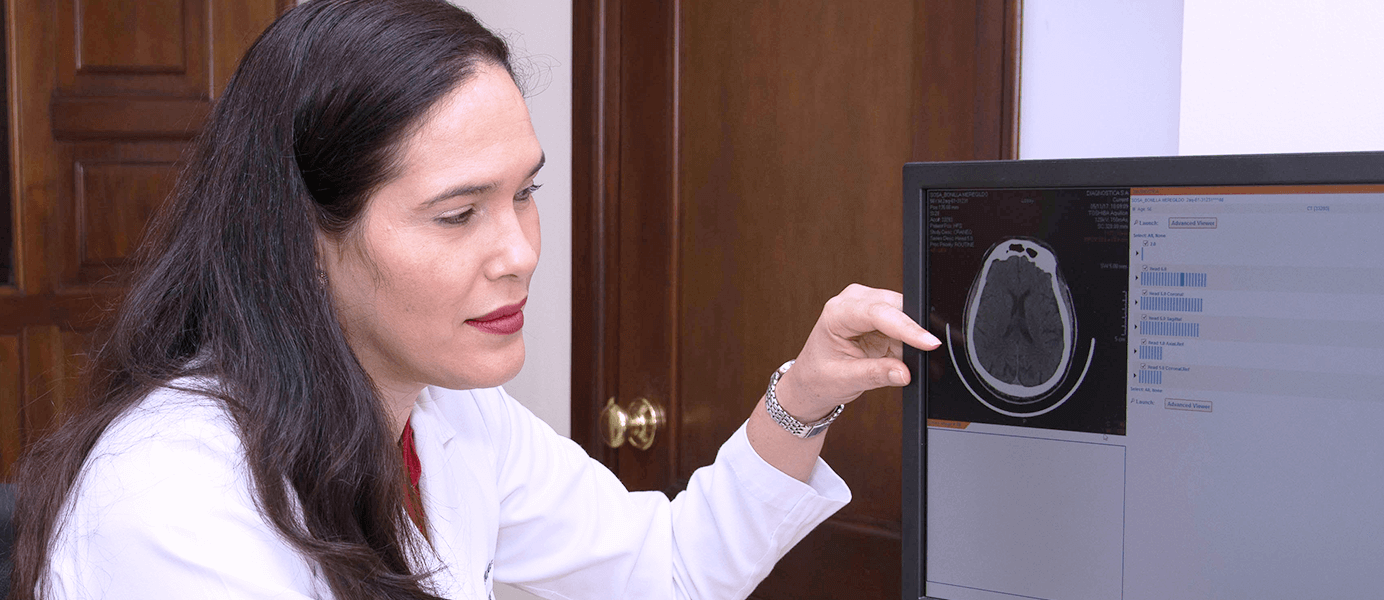
A neuro-ophthalmic evaluation is a specialized study of the entire visual pathway, from the eye to the brain. It’s the core tool of neuro-ophthalmology, and often the step that finally solves a problem no routine eye exam could explain.

Vision is a journey: light enters the eye, turns into signals that travel along the optic nerve and visual pathways, and reaches the brain. A standard eye exam checks the first leg of that trip. A neuro-ophthalmic evaluation studies the entire route, including what happens behind the eye.

Why It’s Different

Unlike a routine ophthalmology visit, this evaluation:

  • Examines the optic nerve and visual pathways, not just the eye
  • Assesses eye movement coordination (the cause behind double vision)
  • Studies the pupils as a window into the nervous system
  • Integrates symptoms, exam findings, visual field testing, OCT, and neuroimaging
  • Works together with neurology when needed

What’s Included

  1. A detailed medical history: how you describe your symptoms is key to guiding the diagnosis.
  2. A complete exam: vision, eye movement, pupils, and a dilated fundus exam.
  3. Computerized visual field testing: maps which parts of your vision are working, with patterns that help pinpoint the cause.
  4. OCT of the optic nerve: measures the condition of the nerve fibers.
  5. Coordinating neuroimaging (an MRI) when findings call for it.

When It’s a Good Fit

  • Vision loss with no clear cause in the eye
  • Double vision (diplopia)
  • Visual field defects
  • A drooping eyelid or a pupil that suddenly looks different from the other
  • Visual symptoms tied to headaches
  • A referral from neurology to study the optic nerve or visual field

Why Choose Neuro-ophthalmic Evaluation at Centro Láser

At Centro Láser, the neuro-ophthalmic evaluation is performed within our neuro-ophthalmology department, with computerized visual field testing and optic nerve OCT in-house and neuroimaging coordinated whenever it’s needed. We bring the findings together and work alongside neurology and our other subspecialties to reach a diagnosis and map out next steps, whether that’s diplopia management or another treatment based on your case.


What you should know
about Neuro-ophthalmic Evaluation

It's a specialized, thorough evaluation of the entire visual pathway, from the eye to the brain. Unlike a routine eye exam, it studies the optic nerve, the visual pathways, and the coordination of eye movements, bringing together your medical history, the exam, visual field testing, OCT of the optic nerve, and neuroimaging when it's needed. The goal is to find the cause when the eye looks healthy but your vision isn't working right.

A regular eye exam evaluates the eye itself. A neuro-ophthalmic evaluation goes further: it studies what's happening behind the eye, in the optic nerve, the visual pathways, and the nerves that move the eye. It's longer and more detailed because it pulls together many pieces (symptoms, exam, testing, sometimes neuroimaging) to solve cases a normal eye exam can't explain.

A detailed medical history, an exam of your vision, eye movement, pupils, and the back of the eye, computerized visual field testing, OCT of the optic nerve, and, depending on the findings, coordinating an MRI or other tests. The neuro-ophthalmologist pulls it all together to reach a diagnosis and, when needed, works alongside neurology.

Generally no special preparation is needed, though it helps to bring any previous test results (bloodwork, MRIs, past visual field tests) and a list of your medications. Your pupils may be dilated with drops, which causes blurry near vision for a few hours, so it's best to bring someone with you or avoid driving right after.

It depends on the diagnosis. Some cases turn out to have a benign cause and just need follow-up, others require coordinating neuroimaging, working alongside neurology or other specialties, or starting treatment. What matters most is that the neuro-ophthalmic evaluation is usually the step that puts the pieces together and defines the path forward.

Our specialists
in Neuro-ophthalmic Evaluation

Are you a candidate for Neuro-ophthalmic Evaluation?

Book your evaluation with our specialists.